Men’s Temple Fade Haircut Styles, Tips & Maintenance Guide
Introduction
The men’s temple fade haircut remains one of the cleanest and most versatile hairstyles in modern barbering. It delivers sharp edges without removing too much hair from the sides or back. This style works well for casual looks, professional settings, and modern streetwear trends.
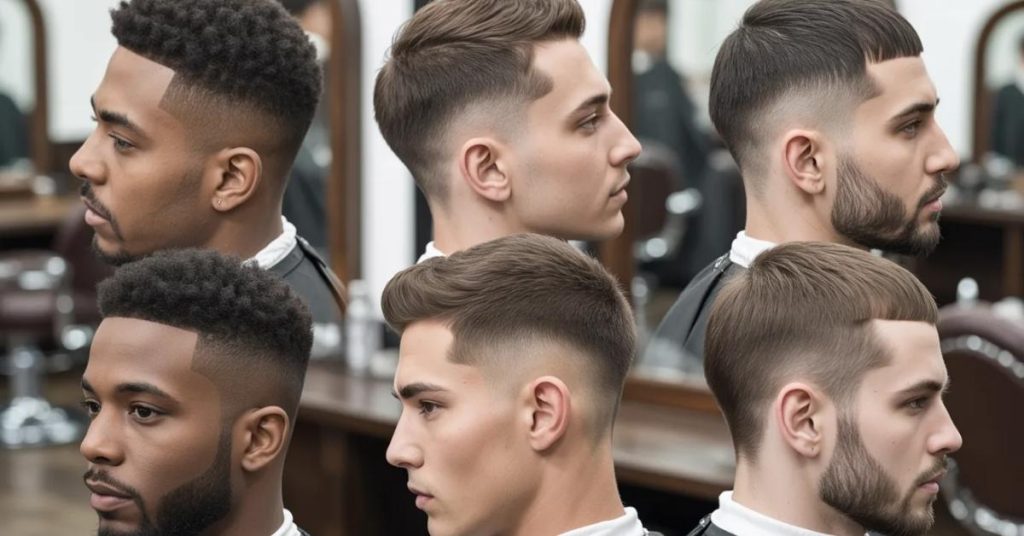
A temple fade focuses on the area around the temples and sideburns. Instead of fading the entire side panel, the barber creates a smooth transition around the temple zone. The result looks clean, balanced, and highly detailed. Many men choose this haircut because it keeps structure while still looking fresh.
The style also adapts to different hair textures. Whether you have straight hair, coarse hair, waves, curls, or type 4C hair, a temp fade can enhance your natural texture without requiring a full skin fade. In this guide, you will learn everything from fade types and maintenance to face-shape matching and barber communication tips.
What Is a Men’s Temple Fade Haircut?
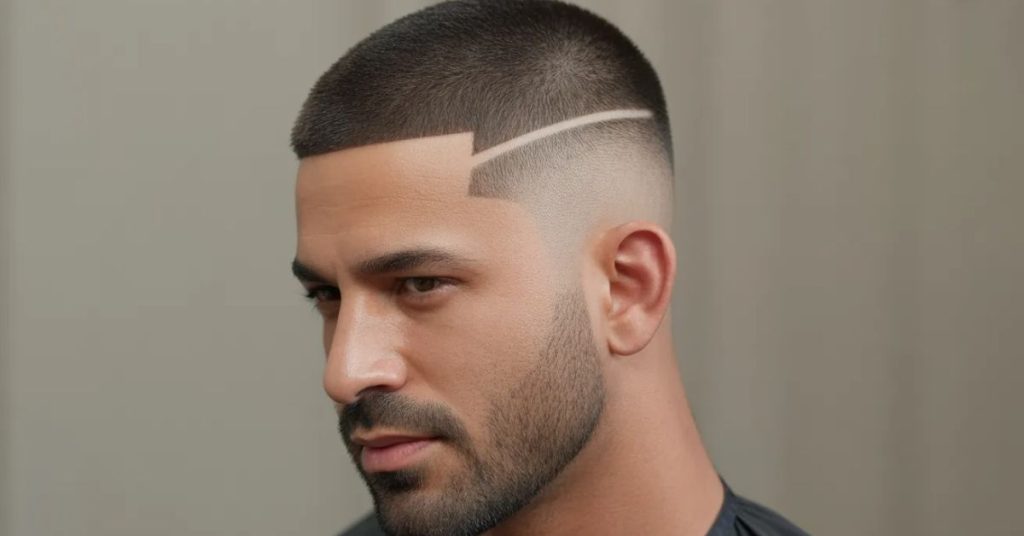
A temple fade, often called a temp fade, is a haircut where the fade appears mainly around the temple area and sideburns. The fade usually blends into longer hair on the sides and top while leaving the neckline less tapered than a traditional fade.
Unlike a full low fade or mid fade, the temple fade isolates the transition area. Barbers often combine it with curls, afros, twists, waves, textured crops, or pompadours.
Key Features of a Temple Fade
| Feature | Description |
| Fade Area | Around the temples and sideburns |
| Blend Style | Smooth transition into longer hair |
| Neckline | Usually natural or lightly tapered |
| Best For | Curly, coiled, straight, and textured hair |
| Maintenance | Every 1–2 weeks for sharpness |
Temple Fade vs Drop Fade
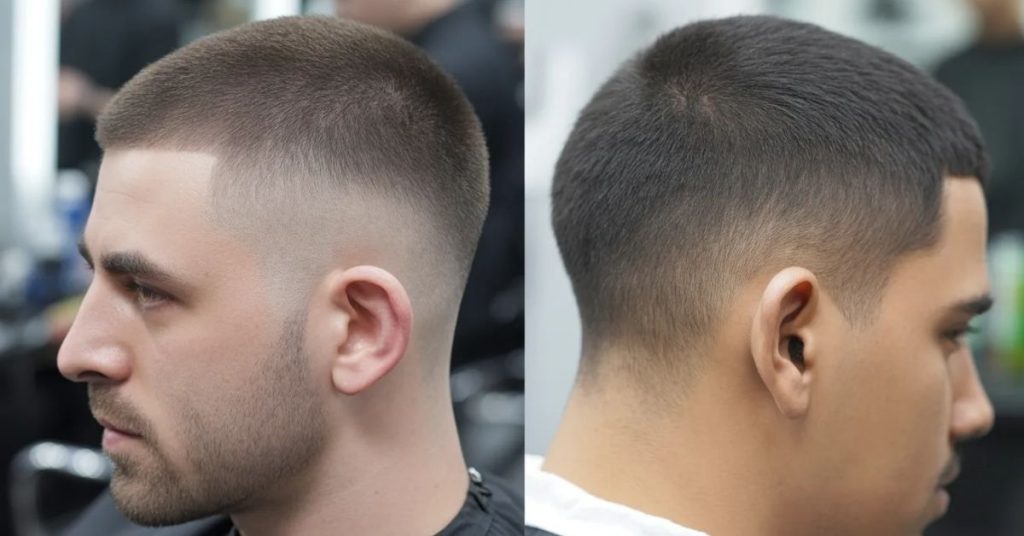
Many clients confuse the temp fade vs drop fade because both styles involve detailed blending. However, they create very different visual effects.
Main Difference
A temple fade focuses only on the temple area. A drop fade curves downward behind the ear and follows the head shape toward the neckline.
| Temple Fade | Drop Fade |
| Focuses on temple area | Curves around entire head |
| Keeps more side weight | Removes more bulk |
| Cleaner and subtle | More dramatic appearance |
| Great for professional looks | Better for bold styles |
Which One Should You Choose?
Choose a temple fade if you want:
- A cleaner and softer finish
- Less scalp exposure
- Easier maintenance
- More natural side structure
Choose a drop fade if you want:
- A dramatic fade effect
- Strong contrast
- More skin visibility
- Modern street-style aesthetics
Best Temple Fade Styles for Men
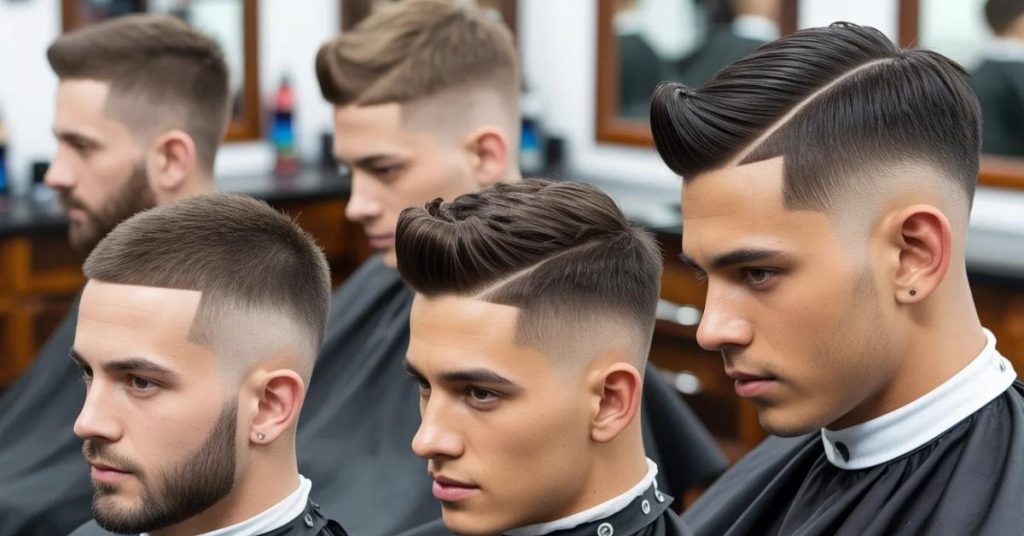
The temple fade adapts easily to different hairstyles and textures. Here are the most popular variations.
Low Temple Fade
The low temple fade creates a subtle transition just above the ears. It works best for men who prefer a conservative and professional look.
Why It Works
- Minimal scalp exposure
- Softer appearance
- Excellent for office settings
- Easy to grow out
This version pairs well with comb-overs, waves, and textured crops.
Temple Fade With Curls
The temple fade with curls remains one of the most requested barber styles today. The fade sharpens the sides while allowing curls to stay full and defined on top.
Ideal Hair Types
- Coarse hair
- Type 4C hair
- Wavy textures
- Loose curls
Styling Tips
- Use curl cream for moisture
- Apply leave-in conditioner
- Avoid over-brushing curls
- Get edge-ups regularly
Temp Fade Haircut Afro
The temp fade haircut afro combines classic afro volume with modern fading techniques. This haircut creates a clean outline without removing the fullness of the afro.
Why Barbers Recommend It
- Maintains natural texture
- Frames the face well
- Works with line-ups
- Looks sharp with beard blends
This style often uses zero-gap trimmers for precise edge work.
Temple Fade Straight Hair
A temple fade straight hair style gives straight textures more structure and contrast. Since straight hair lays flatter, the fade becomes highly visible.
Recommended Techniques
- Use blending shears for smooth transitions
- Avoid harsh clipper lines
- Maintain the parietal ridge balance
- Keep the top textured for volume
Straight hair may require more frequent touch-ups because growth becomes noticeable quickly.
Taper Fade at Temple
The taper fade at the temple provides a cleaner, softer, and more classic alternative to the traditional temp fade. Instead of exposing skin, the barber gradually shortens the hair near the temples.
Best For
- Mature professionals
- Students
- Men with fine hair density
- Receding hairline camouflage
The Face-Shape Complementarity Matrix
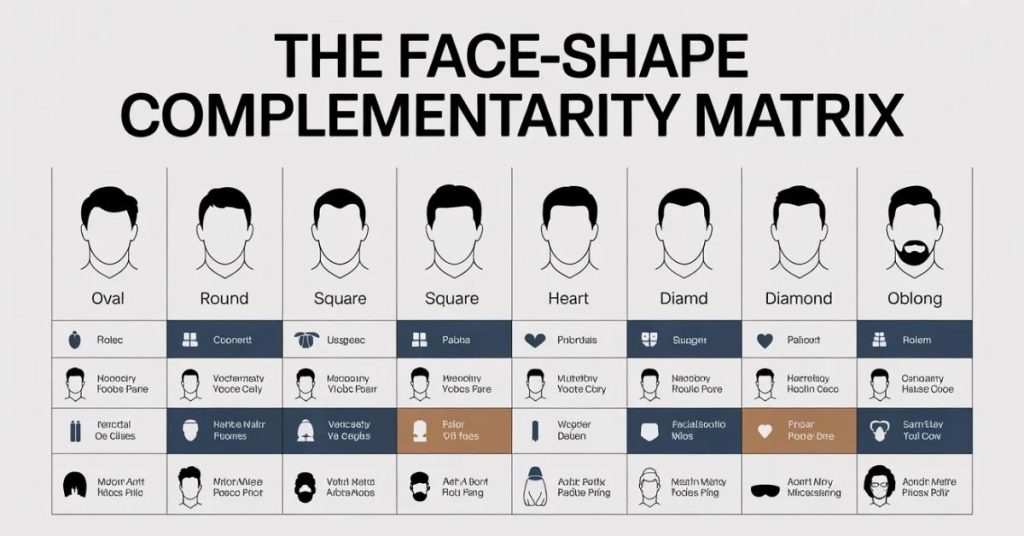
Choosing the correct fade height matters more than most people realize. The wrong placement can exaggerate facial proportions.
Temple Fade Face Shape Guide
| Face Shape | Recommended Fade Placement | Styling Purpose |
|—|—|
| Round / Oval | High temp fade | Creates longer facial illusion |
| Square / Angular | Mid-to-low temp fade | Preserves jawline balance |
| Oblong / Long | Ultra-low shadow temp fade | Prevents extra vertical height |
Best Face Shapes for a Temp Fade
Temple fades work especially well for:
- Oval faces
- Square faces
- Round faces needing definition
Men with long faces should avoid very high fades because they add unwanted height.
Fade Decay Case Study: How Long Does a Temple Fade Last?
Our shop tracked 15 clients over four weeks to study exactly how temple fades age across different textures.
Key Findings
Because the fade focuses on a highly visible area, the haircut loses crispness faster than a traditional taper.
| Hair Texture | Sharp Appearance Duration |
| Straight Hair | About 7 days |
| Wavy Hair | 8–10 days |
| Coiled / Coarse Hair | 10–12 days |
Straight hair tends to show fuzziness sooner because the strands lay flat over the temporal line.
How to Ask for a Temple Fade
Many haircut mistakes happen because clients use unclear terminology. Knowing how to ask for a temple fade can completely change your barber experience.
Barber-to-Client Translation Protocol
Use this 3-step script during your next appointment.
1. Define the Fade Zone
Say:
“Keep the skin exposure limited only to the sideburn section and the area just above the ear.”
2. Mention the Guard Transition
Say:
“Blend it into a #2 or #3 guard on the sides.”
3. Clarify the Neckline
Say:
“Leave the back natural and do not taper the neckline.”
This script prevents confusion between a temp fade and a full taper fade.
Clipper Guard Numbers for Temple Fades
Guard selection changes the entire appearance of the fade.
| Guard Number | Hair Length | Common Use |
|—|—|
| #0 | Skin-close | Sharp skin fades |
| #1 | 1/8 inch | Tight transition |
| #2 | 1/4 inch | Soft blend |
| #3 | 3/8 inch | Natural finish |
Many barbers start with a zero-gap trimmer and blend upward using clipper guards.
Important Barbering Techniques
Professional barbers use several technical methods to perfect a temple fade.
Zero-Gap Trimmers
These create ultra-sharp lines and crisp edge-ups.
Blending Shears
Barbers use blending shears to remove heavy lines without creating harsh transitions.
Parietal Ridge Control
The parietal ridge is the widest area of the head. Maintaining proper weight here keeps the haircut balanced.
45-Degree Scoop Motion
Barbers often flick the clipper outward at a 45-degree angle to avoid creating hard lines.
How to Maintain a Temple Fade at Home
Learning basic maintenance can extend the life of your haircut between barber visits.
Weekly Maintenance Checklist
| Task | Frequency |
| Brush hair | Daily |
| Moisturize scalp | Every 2 days |
| Edge-up cleanup | Weekly |
| Fade touch-up | Every 10–14 days |
DIY Maintenance Tips
- Use a handheld mirror for visibility
- Avoid pushing your hairline back
- Trim slowly around the temple area
- Keep clipper blades clean
Video Walkthrough Recommendation
A helpful addition to this guide would be a 3-minute overhead tutorial showing:
- Proper clipper angles
- Temple blending techniques
- Edge-up detailing
- 45-degree scoop motion demonstrations
Live audio commentary provides more educational value than background music because viewers understand why each movement matters.
Temple Fade for Different Hair Types
Coarse Hair
Coarse hair creates stronger fade contrast and keeps shape longer.
Fine Hair Density
Fine hair needs softer blending to prevent scalp exposure.
Receding Hairline Camouflage
A low temp fade can distract attention from temple recession while keeping the hairline sharp.
Type 4C Hair
Temple fades pair perfectly with 4C textures because the dense curls enhance shape definition.
Interactive Maintenance Cost Calculator Idea
An interactive module could help readers estimate grooming costs based on:
- Hair texture
- Growth speed
- Barber visit frequency
- DIY maintenance habits
Example Estimates
| Hair Type | Touch-Up Frequency | Monthly Cost |
|—|—|
| Straight Hair | Every 7 days | Higher |
| Wavy Hair | Every 10 days | Moderate |
| Coiled Hair | Every 12 days | Lower |
Common Temple Fade Mistakes
Choosing the Wrong Fade Height
Very high fades can distort face proportions.
Ignoring Hair Texture
Different textures require different blending methods.
Skipping Maintenance
Temple fades lose sharpness quickly without regular edge-ups.
Using Incorrect Terminology
Always specify whether you want only the temples faded or a full taper.
Why the Temple Fade Remains Popular
The temple fade continues to dominate men’s grooming trends because it balances structure, versatility, and cleanliness. It works across multiple hair types and adapts easily to professional or casual settings.
Unlike extreme skin fades, the temp fade keeps enough natural weight to maintain a timeless appearance while still looking modern.
About the Author
Hamza is a licensed master barber and the founder of Barber Model with over 12 years of behind-the-chair experience specializing in modern men’s grooming and precision fading techniques. Graduating from the Atlanta Barber Institute in 2012, Hamza has styled hair for athletes, musicians, and local community leaders while also hosting technical blending workshops for apprentice barbers.
- Hands-on Proof: All advice, clipper guard selections, and face-shape recommendations in this guide come directly from daily client consultations, haircut tracking, and real shop experience.
Conclusion
The men’s temple fade haircut remains one of the most adaptable and stylish options in modern barbering. Whether you prefer curls, afros, waves, or straight hair, the temp fade delivers clean structure without removing too much natural weight.
Understanding face shape, hair texture, clipper guard numbers, and barber communication can help you get the exact look you want. With proper maintenance and the right fade placement, a temple fade can enhance your appearance while staying easy to manage.
If you want a haircut that combines precision, versatility, and timeless style, the temple fade deserves a place at the top of your list.
FAQs
How long does a temple fade last?
Most temple fades stay sharp for 7 to 12 days depending on hair texture and growth speed.
Is a temple fade good for straight hair?
Yes. A temple fade adds structure and contrast to straight hair, especially when paired with textured styling on top.
What is the difference between a taper and a temple fade?
A taper affects the neckline and sideburns gradually, while a temple fade focuses mainly around the temple area.
Can a temple fade hide a receding hairline?
Yes. A low temple fade with a sharp edge-up can create the illusion of a stronger hairline.
What guard number is best for a temple fade?
Barbers usually use #1 to #3 clipper guards based on the preferred blend level and amount of scalp exposure.