Number 4 on Sides Haircut: Styles, Lengths & Tips
Introduction
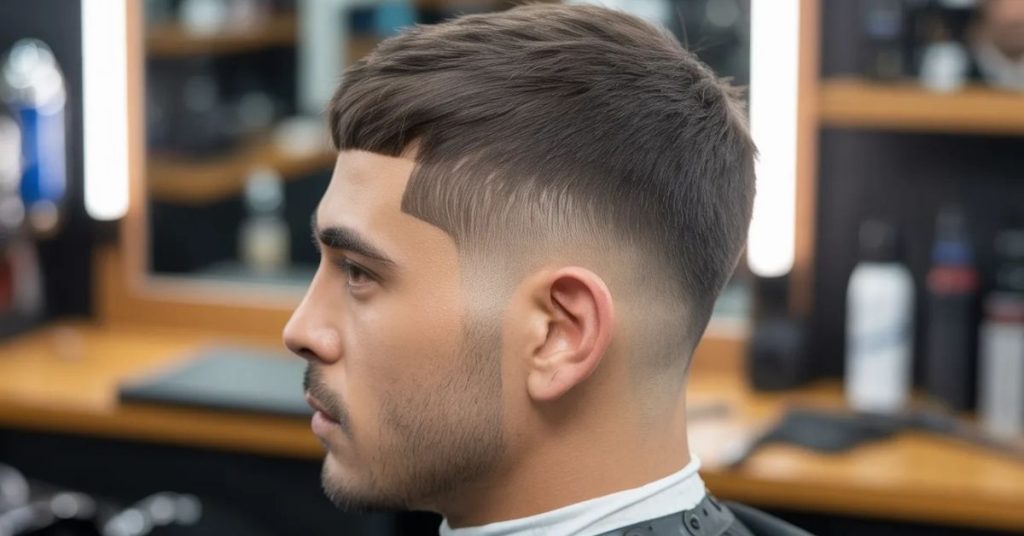
The men’s haircut 4 on sides remains one of the most balanced and versatile haircut choices in modern barbering. It offers a clean appearance without exposing too much scalp, making it ideal for professionals, students, athletes, and anyone who wants a polished haircut with low maintenance. Whether you prefer a taper, fade, pompadour, or buzz cut, the number 4 clipper guard creates a safe middle ground between very short fades and longer traditional cuts.
A number 4 clipper guard haircut leaves approximately 1/2 inch (13mm) of hair on the sides. This length works well across different hair densities and textures because it maintains enough coverage while still looking neat and structured. Many barbers consider it one of the most universally flattering guard lengths.
In this complete guide, you will learn how the 4 on the sides hair length looks on different face shapes and hair textures, how to communicate the style to your barber, how various clipper brands perform, and how to maintain the haircut at home.
What Exactly is a “4 on the Sides” Haircut?
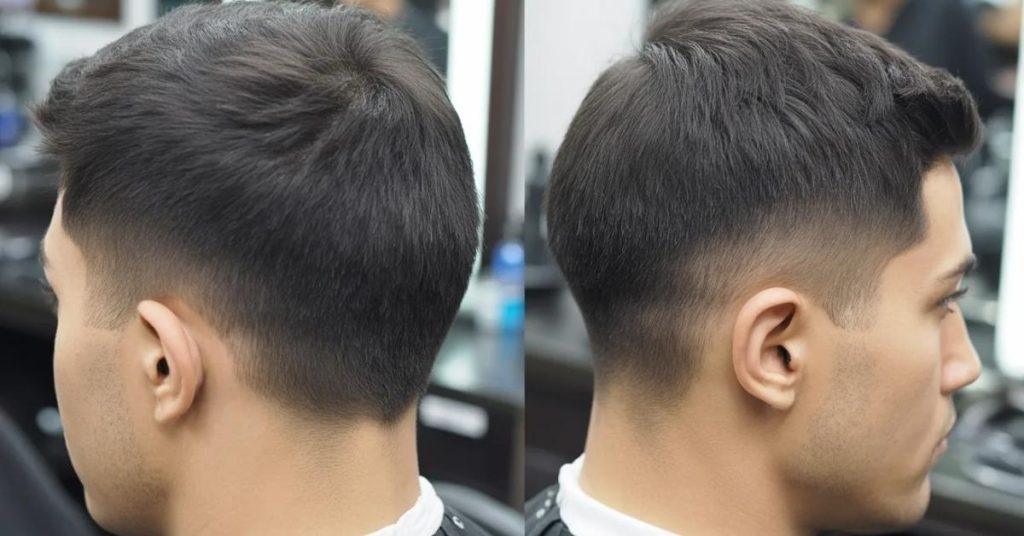
A 4 on the sides haircut means the barber uses a number 4 clipper guard on the side sections of the head. This guard leaves hair at approximately 1/2 inch or 13mm in length.
The top can remain longer, blended with scissors, or cut using a different guard size depending on the style you want.
Popular combinations include:
| Haircut Style | Side Length | Top Length |
| 4 on sides 2 on top | #4 sides | #2 top |
| Executive haircut | #4 sides | Scissor top |
| Pompadour fade | #4 fade | Long textured top |
| Uniform buzz cut | #4 all over | #4 all over |
This haircut works because it creates structure without looking overly aggressive or exposing the scalp too much.
The Math: Understanding the 1/2-Inch (13mm) Standard
A number 4 clipper guard equals:
| Measurement System | Length |
| Inches | 1/2 inch |
| Millimeters | 13mm |
| Centimeters | 1.3cm |
Many clients ask whether 1/2 inch is considered short. In barbering terms, it falls into the medium-short category.
Compared to shorter guards:
| Guard Number | Length | Scalp Visibility |
| #1 | 3mm | Very high |
| #2 | 6mm | High |
| #3 | 10mm | Moderate |
| #4 | 13mm | Low |
| #5 | 16mm | Very low |
The number 4 guard often becomes the “safe zone” for clients who want neat sides without feeling too exposed.
Will a #4 Guard Show Your Scalp? (The Density Factor)
One of the most common questions about the number 4 buzz cut is whether it reveals the scalp.
The answer depends on three factors:
- Hair density
- Hair color contrast
- Lighting conditions
The 1/2-Inch Scalp Exposure Index
Below is a shop-tested breakdown used by professional barbers.
| Hair Density | Dark Hair on Light Scalp | Medium Contrast | Low Contrast |
|—|—|—|
| High Density | Minimal scalp show | Almost none | None |
| Medium Density | Slight under bright light | Minimal | None |
| Thin Density | Moderate visibility | Slight visibility | Minimal |
A #4 guard usually prevents major scalp exposure. This is why many barbers recommend it for men with thinning hair who still want a clean clipper cut.
Compared to a number 3 haircut, the extra 3mm of coverage makes a visible difference.
Popular Variations of the #4 on Sides Style
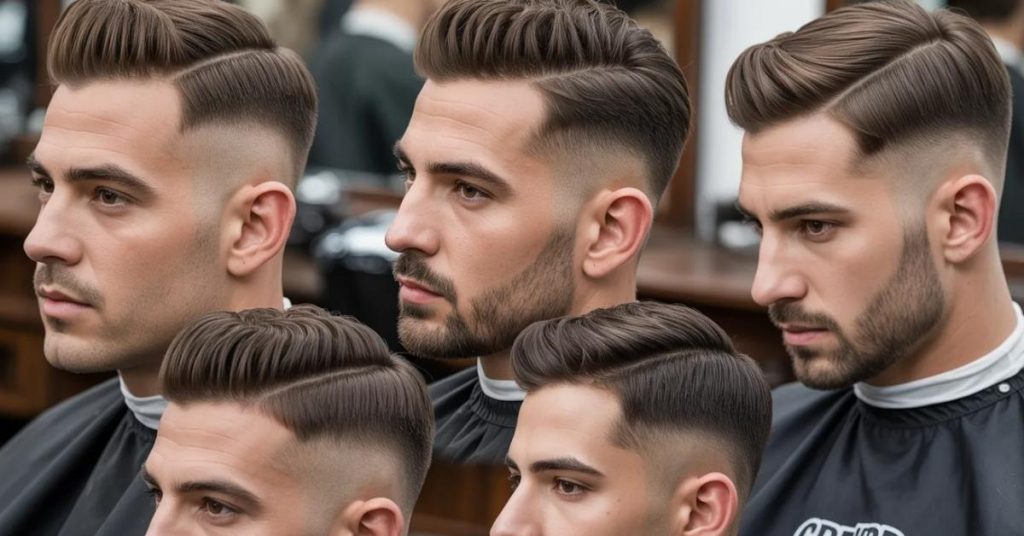
The flexibility of the 4 on the sides fade makes it one of the most adaptable haircut foundations available today.
Classic Taper with a #4 on the Sides
The classic taper gradually shortens the hair near the neckline and sideburns while keeping the upper sides at a consistent #4 length.
This haircut works especially well in professional settings because it looks clean without appearing too sharp or dramatic.
Best Features
- Low maintenance
- Professional appearance
- Natural blending
- Great for office environments
The #4 Fade vs. Uniform Straight Clipper Cut
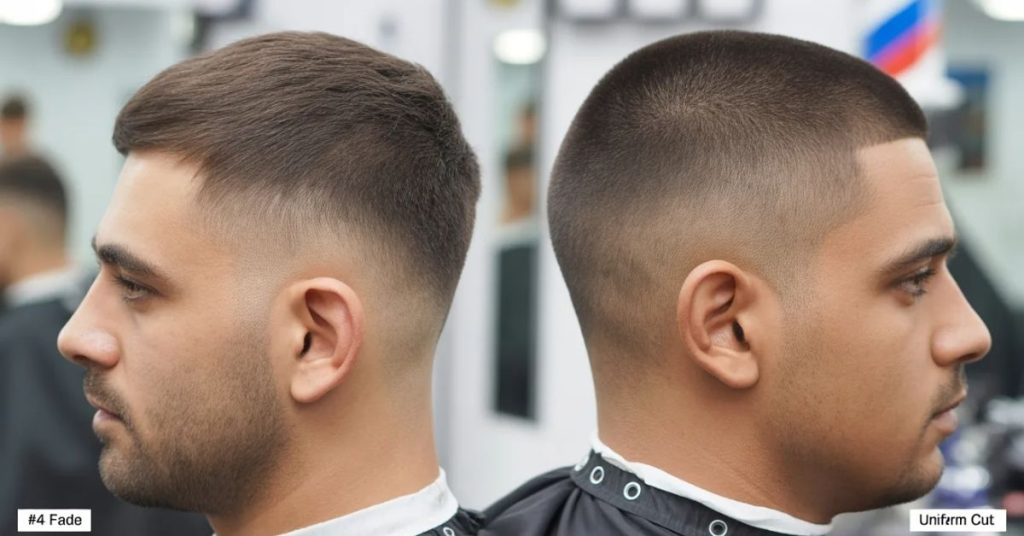
A 4 on the sides fade gradually transitions into shorter lengths near the ears and neckline.
A straight clipper cut uses the same length throughout the sides.
| Feature | #4 Fade | Straight #4 |
| Blending | Graduated | Uniform |
| Contrast | High | Moderate |
| Maintenance | More frequent | Easier |
| Modern appearance | Strong | Classic |
The fade creates more visual definition while the uniform cut appears softer and more traditional.
#4 on Sides with Scissors on Top (The Modern Executive)
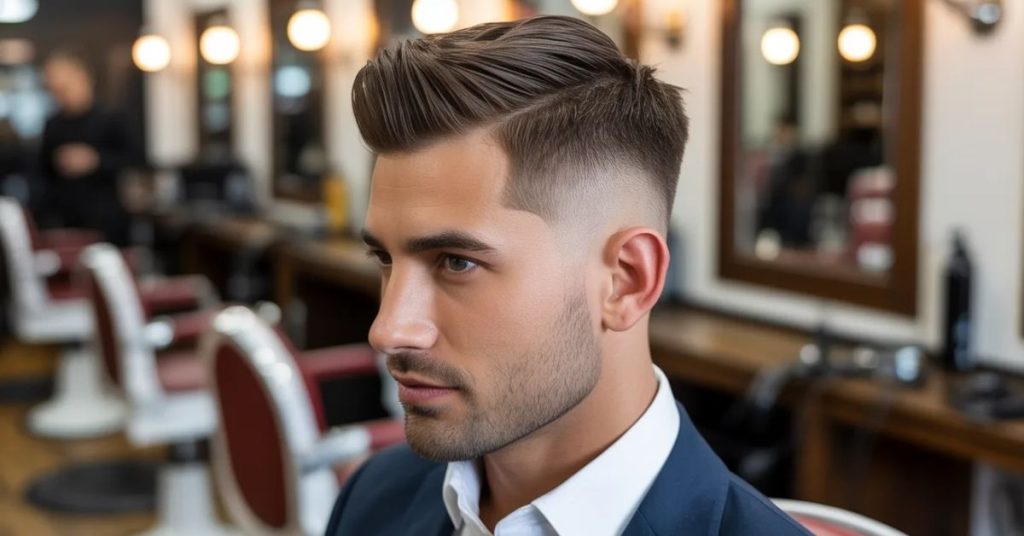
This is one of the most requested modern barbershop styles.
The barber keeps the sides at a #4 while leaving the top longer and textured using scissors.
Why It Works
- Adds volume on top
- Keeps sides controlled
- Creates professional structure
- Suitable for most face shapes
Popular styling options include:
- Side parts
- Textured quiffs
- Pompadours
- Slick backs
The Full Number 4 Buzz Cut All Over
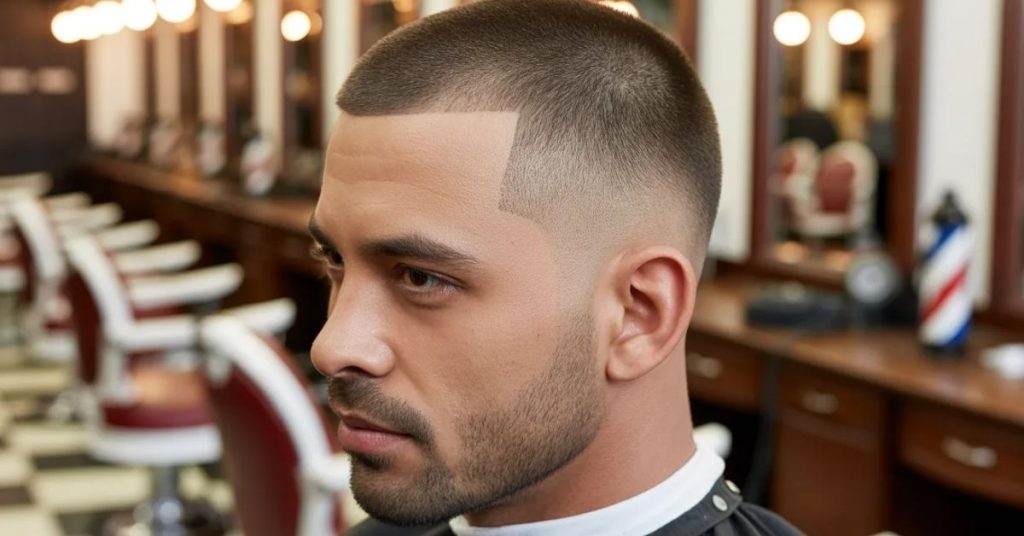
The full number 4 buzz cut uses the same guard across the entire head.
This style remains popular because:
- It is simple
- It grows out evenly
- It suits active lifestyles
- It requires minimal styling
Many men choose this cut during summer because it stays neat with almost no effort.
Haircut Compatibility Matrix: Head Shapes and Hair Textures
Not every haircut works equally well on every person. Professional barbers adjust the transition and blending based on head shape and texture.
Best Configurations for Straight and Wavy Hair
Straight hair shows clipper lines more clearly. A #4 guard softens this effect while keeping the haircut tidy.
Recommended Styles
| Hair Type | Best Version |
| Straight fine hair | Taper with texture |
| Thick straight hair | Fade with longer top |
| Wavy hair | Scissor top with #4 sides |
Wavy hair often looks fuller at 13mm because the natural bend creates visual density.
Managing Coarse, Curly, and 4C Hair Textures at 1/2 Inch
Curly and coily hair behaves differently from straight hair at the same guard length.
A #4 guard on curly hair may appear shorter because curls contract naturally.
Barber Tips for Coarse Hair
- Use moisturizing products
- Blend carefully near the parietal ridge
- Avoid overly high fades
- Shape the edges softly
For many clients with textured hair, the number 4 guard creates excellent balance between definition and coverage.
Balancing Proportions for Round, Oval, and Square Face Shapes
Round Faces
Keep more height on top to elongate the face visually.
Oval Faces
Most versions of the haircut work well because oval faces already have balanced proportions.
Square Faces
Structured fades and sharp sideburns enhance strong jawlines.
Behind the Chair: How to Ask Your Barber for This Cut
Communication matters as much as the haircut itself.
Many clients simply say “short on the sides,” which creates confusion.
Instead, specify:
- Guard number
- Fade height
- Top length
- Neckline shape
Specifying Your Blending Point (Low, Mid, or High)
The blending point changes the overall appearance dramatically.
| Blend Type | Appearance |
| Low fade | Conservative |
| Mid fade | Balanced |
| High fade | Sharp and modern |
Case Study: Standardizing the “4 on the Sides” Transition Profile
One common challenge occurs when blending a #4 side into a longer scissor-cut top.
Professional barbers often use the Comb-Over Shear Transition Method.
Step-by-Step Barber Technique
- Establish the #4 guideline.
- Identify the parietal ridge.
- Use clipper-over-comb above the ridge.
- Remove bulk gradually.
- Cross-check with scissors.
For square head shapes, barbers maintain more weight near the ridge.
For round head shapes, they remove additional bulk to reduce width.
This prevents the “mushroom effect” that happens when the sides appear too heavy beneath a longer top section.
Neckline Options: Blocked, Rounded, or Tapered
The neckline changes the final finish of the haircut.
| Neckline Type | Best For |
| Blocked | Sharp appearance |
| Rounded | Softer look |
| Tapered | Natural grow-out |
Tapered necklines usually grow out more cleanly between appointments.
The Brand-Specific Guard Calibration Guide
Many people assume every #4 guard performs identically.
That is incorrect.
Different brands cut slightly differently depending on blade systems and guard construction.
| Clipper Brand/System | Actual Length | Metric Length | Best For | Shop Note |
| Wahl Professional | 1/2 inch | 13mm | General use | Reliable baseline |
| Andis Magnetic Guards | 1/2 inch | 13mm | Smooth blending | Strong magnetic fit |
| Oster Classic 76 | 1/2 inch | 13mm | Thick hair | Cuts slightly sharper |
Professional barbers often adjust techniques based on the clipper system being used.
How to Maintain and Style Your #4 Haircut at Home
Maintenance remains one of the biggest advantages of this haircut.
Most clients only need a cleanup every 3–5 weeks.
Growth Timelines: How Fast Does a #4 Grow Out?
Hair typically grows:
- Around 1/2 inch per month
- Roughly 0.35mm daily
Growth Timeline Table
| Time After Haircut | Approximate Length |
| Fresh cut | 13mm |
| 2 weeks | 16mm |
| 1 month | 25mm |
| 2 months | 38mm |
Many clients notice the clean shape fading after 3 weeks.
Recommended Matte Clays and Pomades for Short Sides
The best styling product depends on the top length.
| Product Type | Best For |
| Matte clay | Textured looks |
| Pomade | Slick styles |
| Cream | Natural finish |
| Sea salt spray | Added volume |
Avoid overly greasy products because they flatten the structure of the haircut.
Multimedia & Interactive Content Ideas
High-Fidelity Technical Diagram: The Anatomy of a #4 Blend
An ideal infographic should show:
- The parietal ridge
- The #4 side length
- The taper region
- The scissor transition zone
This visual helps readers understand blending structure.
Short-Form Video: The 60-Second Consultation Blueprint
A short embedded video should demonstrate:
- How to request a #4 correctly
- How to explain fade height
- How to discuss neckline shape
- How to reference photos properly
This creates immediate value for readers before they visit the barber.
Interactive Widget: Guard Length & Contrast Simulator
A useful calculator could allow users to input:
- Hair density
- Hair color
- Scalp contrast
- Desired style
The widget could then recommend:
- #3
- #4
- #5
- Fade type
- Best styling approach
Author Bio
Author: Hamza
Credentials: Licensed Master Barber & Co-Founder of Iron Line Barbers | 14 Years Behind the Chair
Hamza is a veteran barber specializing in precision men’s grooming, clipper work, and structured fades. Over the past 14 years, he has completed thousands of men’s haircuts ranging from traditional tapers to modern textured styles. His expertise includes analyzing head shape, density, growth patterns, and scalp visibility to determine the ideal guard length for every client. All recommendations in this guide come directly from real barbershop experience and daily client consultations.
Conclusion
The men’s haircut 4 on sides continues to dominate modern barbering because it balances versatility, professionalism, and practicality. It provides enough length to maintain scalp coverage while still delivering the clean appearance most men want from a short haircut.
Whether you choose a classic taper, modern fade, executive scissor top, or full number 4 buzz cut, this haircut adapts well to nearly every face shape and hair texture. The 1/2-inch length acts as the ideal middle ground between extremely short fades and longer traditional cuts.
By understanding guard mechanics, blending techniques, scalp exposure, and maintenance routines, you can confidently request the exact version of the haircut that fits your personal style.
FAQs
Is a number 4 haircut good for thinning hair?
Yes. A number 4 guard leaves enough coverage to reduce scalp visibility while still looking clean and structured.
What is the difference between a number 3 and number 4 haircut?
A number 3 leaves 10mm of hair while a number 4 leaves 13mm. The extra length significantly reduces scalp exposure.
How long does a 4 on the sides haircut take to grow out?
Most people notice major growth after 4–6 weeks depending on hair growth speed.
Can I combine a #4 guard with a fade?
Yes. Many modern taper fades use a #4 guard as the upper blending section.
Does a #4 haircut work for curly hair?
Yes. Curly hair often looks fuller at 1/2 inch, making the haircut highly effective for textured hair types.