Before and After Haircuts for Men: Style Transformation
Introduction
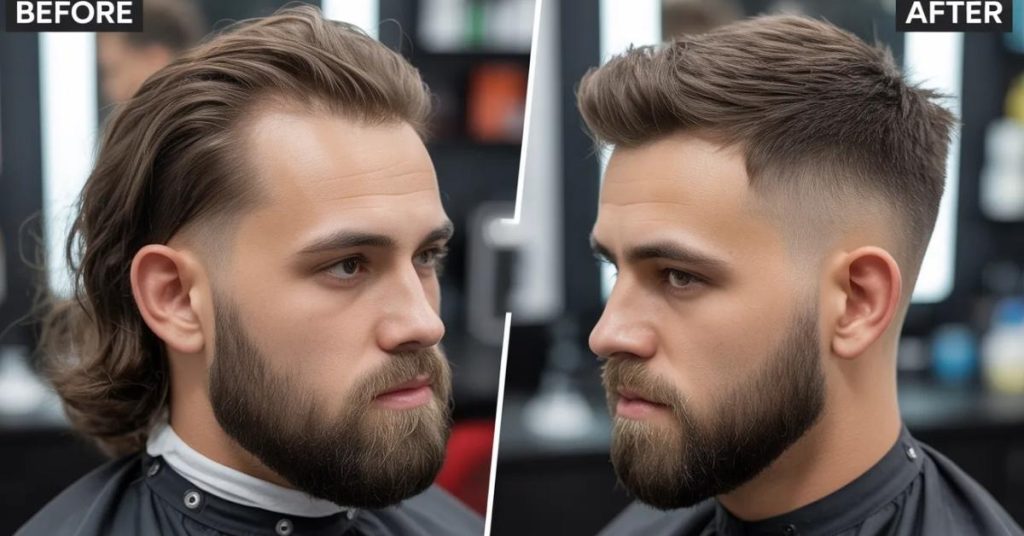
A great haircut does much more than remove length. It changes proportions, enhances facial features, creates visual balance, and can completely transform the way a man looks and feels. The most impressive before and after haircuts for men are not simply shorter versions of the same hairstyle. They are strategic structural changes designed to improve shape, volume distribution, and overall appearance.
Many men struggle with hair that feels heavy, flat, uneven, or difficult to style. Often, the problem is not the hair itself. The issue lies in the haircut structure. When side bulk grows excessively or the top lacks direction, the entire head shape can appear wider, rounder, or less defined. A skilled barber understands how to redistribute visual weight to create a stronger and more masculine silhouette.
As someone who has studied modern barbering techniques, haircut architecture, face-shape analysis, and styling principles, I have seen how strategic transformations dramatically improve a man’s appearance. This guide explains the science behind successful before and after haircuts for men and provides practical advice you can use before your next barber appointment.
The Anatomy of a Transformation: The Visual Weight Diagnostic
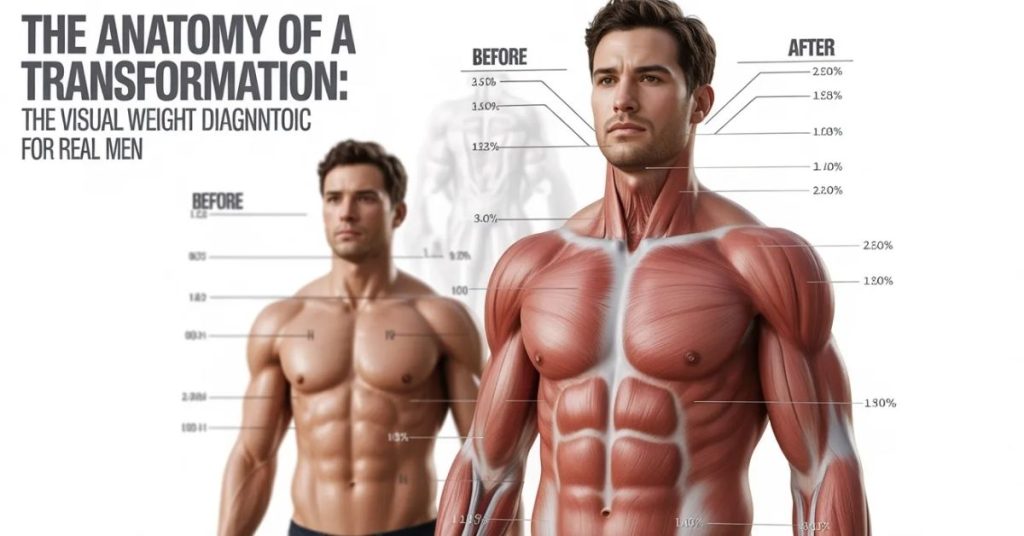
Before any successful haircut transformation begins, a barber performs what can be called a visual weight diagnostic.
Visual weight refers to how hair volume is distributed around the head. The human eye naturally notices areas with greater bulk, density, and contrast. If volume accumulates in the wrong places, it can distort facial proportions.
Why Most Haircuts Lose Their Shape
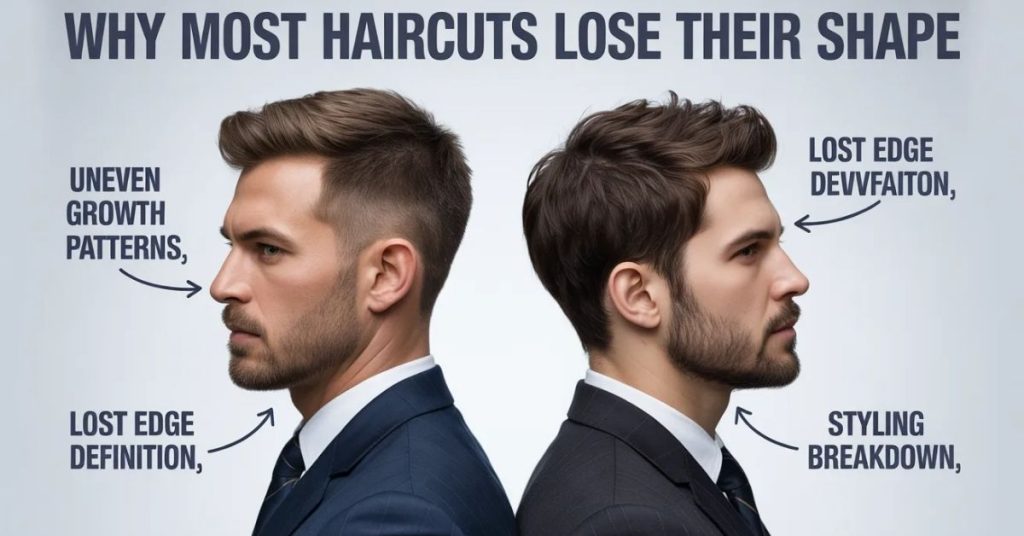
Many men allow their hair to grow for weeks without maintenance. Over time:
- Side volume expands outward
- The neckline becomes heavy
- The crown loses direction
- The silhouette becomes rounded
- Facial definition decreases
This creates what barbers often describe as the “light bulb effect.”
The Light Bulb Effect
In this situation, hair expands horizontally around the sides while remaining relatively flat on top.
The result:
| Hair Area | Effect |
| Sides | Wider appearance |
| Top | Flatter appearance |
| Face | Rounder appearance |
| Jawline | Less defined |
| Overall Shape | Unbalanced |
This is one of the most common reasons men feel dissatisfied with their appearance before a haircut.
Before Diagram: The Light Bulb Effect
______
/ \
/ \
| |
| |
/ \
/ \
| |
| |
\ /
\______________/
Excess width on sides
Limited height on top
Rounded silhouette
The visual weight remains concentrated on the sides rather than the top.
The Goal of a Professional Transformation
A great haircut redirects visual weight upward.
Instead of creating horizontal expansion, the haircut encourages vertical structure.
Benefits include:
- Stronger profile
- Sharper facial definition
- More masculine appearance
- Better proportion
- Improved styling flexibility
After Diagram: Volume Shift Strategy
/\
/ \
/ \
/ \
/ \
/ \
| |
| |
| |
\ /
\________/
Reduced side bulk
Controlled taper
Volume concentrated on top
Longer, stronger silhouette
This simple structural shift often creates dramatic before and after results.
Finding Your Cut: Structural Archetypes by Face & Hair Type
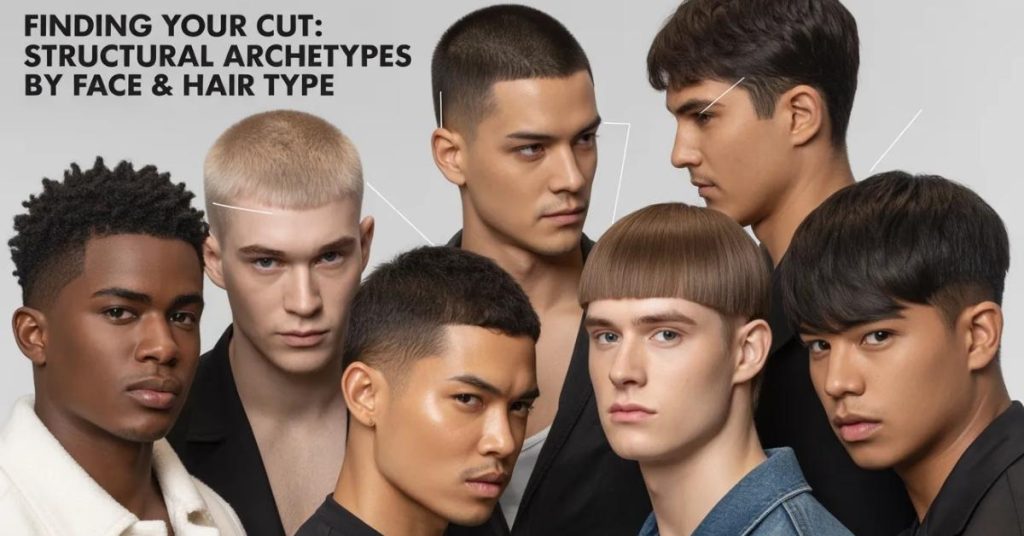
Not every haircut works for every man.
The best transformations occur when haircuts match both face shape and hair texture.
Understanding Structural Archetypes
A structural archetype is a haircut category designed around specific proportions.
The barber’s goal is not simply to follow trends. The goal is to create visual balance.
Best Haircuts by Face Shape
| Face Shape | Recommended Styles |
| Round | Pompadour, Textured Quiff, High Fade |
| Square | Crew Cut, Taper Fade, Side Part |
| Oval | Most styles work well |
| Diamond | Textured Crop, Medium Layers |
| Oblong | Low Fade, Fringe Styles |
| Heart | Side Sweep, Textured Top |
Round Face Transformation Strategy
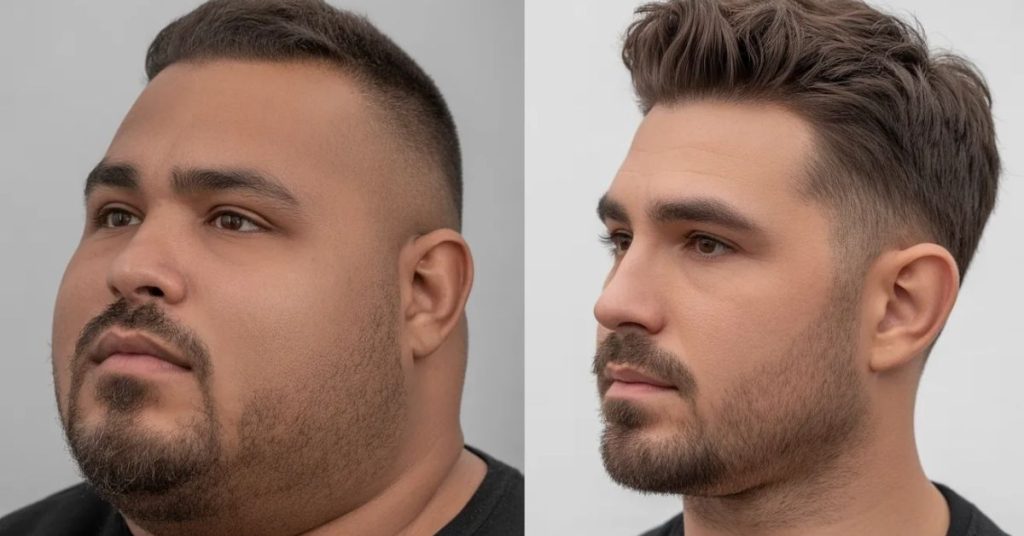
Round faces benefit from height.
The objective is to:
- Reduce side bulk
- Increase top volume
- Create vertical lines
Recommended cuts include:
Textured Quiff
The textured quiff creates upward movement and adds structure.
Mid Fade
A mid fade removes unnecessary width and sharpens the profile.
Pompadour
The pompadour remains one of the most effective styles for elongating the face.
Square Face Transformation Strategy
Square faces already possess strong jawlines.
The haircut should complement existing structure rather than exaggerate it.
Best options include:
- Crew cut
- Taper fade
- Classic side part
- Textured crop
These styles maintain masculine angles while preserving balance.
Hair Type Considerations
Hair texture influences haircut selection just as much as face shape.
Straight Hair
Benefits:
- Easy styling
- Defined structure
- Sharp outlines
Recommended styles:
- Side part
- Slick back
- Textured crop
- Taper fade
Wavy Hair
Benefits:
- Natural volume
- Flexible movement
- Strong texture
Recommended styles:
- Layered quiff
- Medium-length flow
- Low taper fade
Curly Hair
Benefits:
- Natural body
- Visual density
- Distinct texture
Recommended styles:
- Curly crop
- High taper fade
- Curly top fade
Coily Hair
Benefits:
- Exceptional shape retention
- Strong silhouette
- Creative styling options
Recommended styles:
- High top fade
- Burst fade
- Taper fade
Case Study: From Receding and Unstructured to Confident and Textured
One of the most powerful examples of before and after haircuts for men involves clients experiencing mild recession and poor structure.
Initial Situation
A client arrives with:
- Receding temples
- Heavy side growth
- Flat crown
- No visible shape
- Difficult styling routine
At first glance, many men assume they are losing their ability to have a stylish haircut.
However, the problem is often structural rather than biological.
Diagnostic Analysis
The barber evaluates:
| Category | Observation |
| Hair Density | Moderate |
| Temple Recession | Mild |
| Side Bulk | Excessive |
| Crown Volume | Low |
| Styling Knowledge | Limited |
Transformation Plan
The objective is to redirect attention away from recession and toward texture.
Step 1: Reduce Side Weight
A mid taper fade removes excess width.
This instantly sharpens facial contours.
Step 2: Add Texture
Point cutting creates separation and movement.
Texture increases perceived density.
Step 3: Create Forward Movement
Rather than exposing the hairline, the style introduces controlled forward direction.
Step 4: Use Matte Styling Products
Matte products provide volume without excessive shine.
Final Result
The transformation achieves:
- Better balance
- Enhanced density appearance
- Stronger facial definition
- Easier maintenance
- Improved confidence
This type of transformation demonstrates why strategic cutting matters more than simply removing length.
How to Talk to Your Barber: The “Before” Checklist
Many haircut disappointments happen because clients and barbers communicate differently.
Learning barber terminology dramatically improves results.
Before the Appointment
Take photos of:
- Current haircut
- Side profile
- Desired haircut
- Hairstyles you dislike
Visual references reduce misunderstandings.
Questions to Ask Yourself
Before entering the barbershop, answer:
- Do I want more volume?
- Do I want less maintenance?
- Do I want a professional look?
- Do I want texture?
- Do I want to hide recession?
Your answers guide the consultation.
Essential Barber Terminology
| Term | Meaning |
| Fade | Gradual blend from short to long |
| Taper | Subtle reduction around edges |
| Texture | Movement and separation |
| Bulk Removal | Eliminating excess weight |
| Graduation | Building shape through layers |
| Weight Line | Visible transition between lengths |
Sample Barber Script
You can say:
“I’d like to reduce width on the sides, keep some length on top, add texture, and create a more structured shape that suits my face.”
This description gives your barber actionable information.
Mistakes to Avoid
Saying “Just Make It Short”
This provides almost no guidance.
Ignoring Face Shape
A trendy haircut may not suit your proportions.
Skipping Styling Questions
Ask your barber how to style the cut at home.
Waiting Too Long Between Visits
Shape deteriorates over time.
Life After the Chair: The 30-Day Maintenance Blueprint
A haircut transformation does not end when you leave the barber chair.
Maintenance determines whether the haircut continues to look great.
Day 1–7: Establish Your Routine
Focus on:
- Learning product usage
- Understanding blow drying
- Following barber recommendations
Avoid experimenting excessively.
Week 2: Shape Optimization
By the second week:
- Hair settles naturally
- Texture becomes more visible
- Styling becomes easier
This is often when a haircut looks its best.
Week 3: Growth Monitoring
Observe:
- Side expansion
- Neckline growth
- Crown volume changes
Minor adjustments in styling may be necessary.
Week 4: Maintenance Assessment
Evaluate:
| Area | Check |
| Sides | Excessive growth? |
| Crown | Losing volume? |
| Hairline | Needs cleanup? |
| Texture | Still visible? |
Product Blueprint
Fine Hair
Use:
- Volumizing powder
- Lightweight matte clay
Avoid heavy pomades.
Thick Hair
Use:
- Matte paste
- Texture cream
Avoid excessive oil-based products.
Curly Hair
Use:
- Curl cream
- Leave-in conditioner
Maintain moisture regularly.
Recommended Haircut Schedule
| Haircut Type | Maintenance Interval |
| Skin Fade | Every 2–3 Weeks |
| Mid Fade | Every 3–4 Weeks |
| Taper Fade | Every 4 Weeks |
| Medium Length | Every 5–6 Weeks |
| Long Hair | Every 8–12 Weeks |
Regular maintenance preserves the transformation.
The Psychology Behind Before and After Haircuts for Men
A haircut affects more than appearance.
Research consistently shows that grooming influences:
- Self-confidence
- Professional image
- First impressions
- Social interactions
When men feel better about their appearance, they often carry themselves differently.
They stand taller, communicate more confidently, and project a stronger presence.
This psychological impact explains why dramatic before and after haircut transformations receive so much attention.
The haircut itself may only take thirty minutes, but its effects can last for weeks.
Conclusion
The most impressive before and after haircuts for men are not accidents. They result from understanding visual weight, facial proportions, hair texture, and structural balance. A successful transformation redirects volume, sharpens the silhouette, and creates a more confident appearance.
Before your next barber visit, first perform a visual weight diagnostic and identify your face shape. Next, gather reference photos and communicate clearly with your barber. As a result, your barber can better understand your expectations. Ultimately, when haircut architecture and proper maintenance work together, the transformation extends far beyond the barber’s chair.
FAQs
How much difference can a haircut really make?
A well-designed haircut can dramatically improve facial proportions, enhance jawline definition, create better balance, and increase overall confidence.
Which haircut creates the biggest before and after transformation?
High fades, textured crops, pompadours, and structured taper fades often produce the most noticeable transformations because they significantly alter volume distribution.
How often should men get a haircut?
Most men benefit from a haircut every 3–5 weeks, depending on style and hair growth rate.
Can the right haircut make thinning hair look thicker?
Yes. Texture, layering, and strategic volume placement can create the appearance of greater density and fuller hair.
Should I bring reference photos to my barber?
Absolutely. Photos help communicate expectations and improve the likelihood of achieving the desired result.