Razor Haircut Men: Modern Textured Razor Cut Guide
Introduction
Razor haircut men styles continue to dominate modern barbering in 2026. From textured crops to layered grunge looks, razor techniques create natural movement, lightweight texture, and effortless flow that traditional scissor cutting often cannot match. Today’s barbers combine classic blade craftsmanship with modern styling methods to produce cuts that feel softer, sharper, and more personalized.
Men now want hairstyles that grow out naturally and require less maintenance between barber visits. Straight razor hair cutting techniques help achieve that goal. A razor removes weight while shaping the hair with soft edges, making the final result appear more relaxed and modern. Whether someone wants a razor-cut pompadour, a tapered razor fade, or messy textured layers, the technique adds movement without harsh lines.
Professional barbers also rely on feather razor haircutting because it adapts to different hair textures. Thick hair becomes lighter and easier to style, while medium-density hair gains dimension and flexibility. However, successful razor cutting requires skill, hygiene awareness, blade control, and an understanding of hair health. This guide explains everything about men’s textured razor cuts, from tools and techniques to safety standards, maintenance routines, and the science behind the haircut itself.
What Is a Razor Haircut for Men?
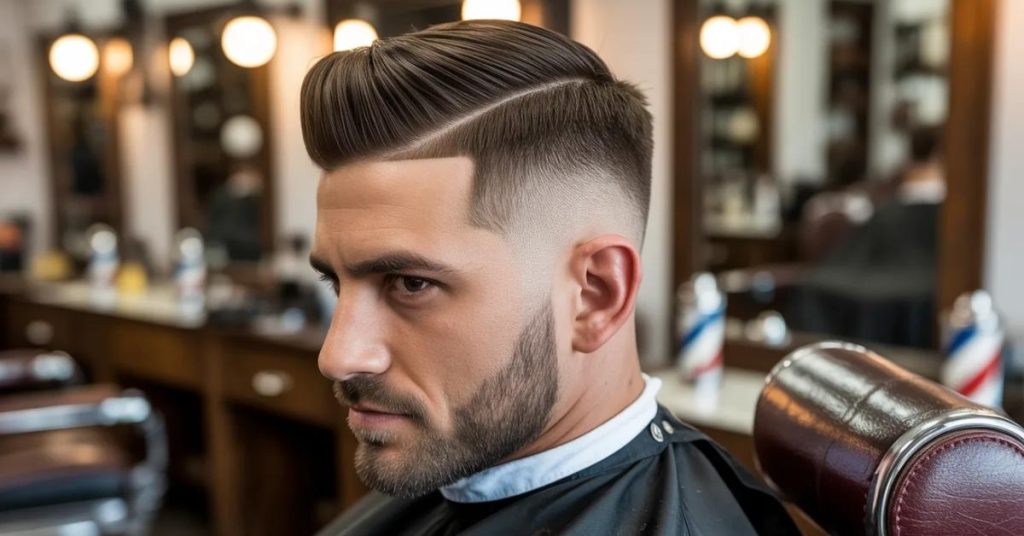
A razor haircut uses a straight razor or feather razor instead of standard haircutting scissors. The barber slices through the hair at specific angles to create texture, softness, and natural separation.
Unlike blunt scissor cuts, razor cutting creates tapered ends that allow the hair to blend together smoothly. This produces a lived-in appearance that many modern hairstyles require.
Main Characteristics of Razor Haircuts
| Feature | Razor Cut | Scissor Cut |
| Hair Ends | Soft and tapered | Blunt and sharp |
| Texture | Lightweight and airy | Structured |
| Movement | Natural flow | Controlled |
| Volume | Flexible | Dense |
| Grow-Out | Seamless | More noticeable |
| Styling | Relaxed | Defined |
The Evolution of Straight Razor Hair Cutting Techniques
Straight razor haircutting originated in traditional barbershops where barbers shaped hairstyles manually using sharpened blades. Early razor techniques focused on reducing bulk and blending men’s hairstyles naturally.
Modern barbering evolved significantly after Japanese Feather styling razors became popular. These tools allowed barbers to control precision safely while minimizing excessive cuticle damage.
Today, barbers combine vintage blade craftsmanship with modern ergonomic systems. The result is a highly technical method that balances texture, structure, and hair health.
Why Razor Haircut Men Styles Became Popular in 2026
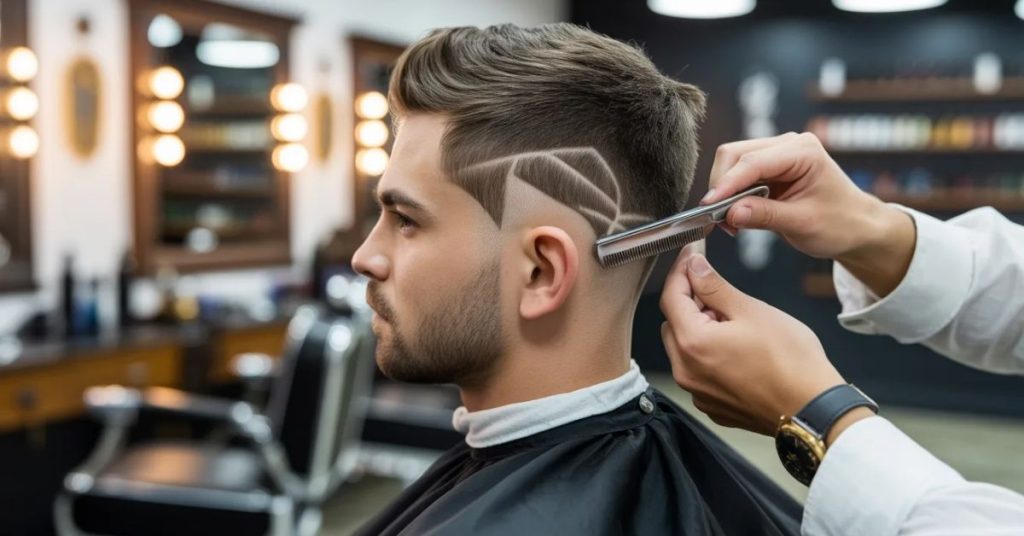
Several grooming trends contributed to the rise of razor-cut hairstyles.
Natural Texture Trends
Men increasingly prefer hairstyles that move naturally instead of appearing overly polished. Razor techniques create effortless texture without heavy styling products.
Longer Growth Cycles
Many razor-cut styles grow out more smoothly than blunt cuts. This reduces barber visits and helps maintain shape longer.
Versatility
Razor techniques work across many hairstyles:
- Textured crops
- Grunge layers
- Pompadours
- Medium shags
- Tapered fades
- Curtain hairstyles
- Modern mullets
Lightweight Feel
Razor cutting removes unnecessary bulk. Thick hair becomes easier to manage and style daily.
Essential Tools Used in Feather Razor Haircutting
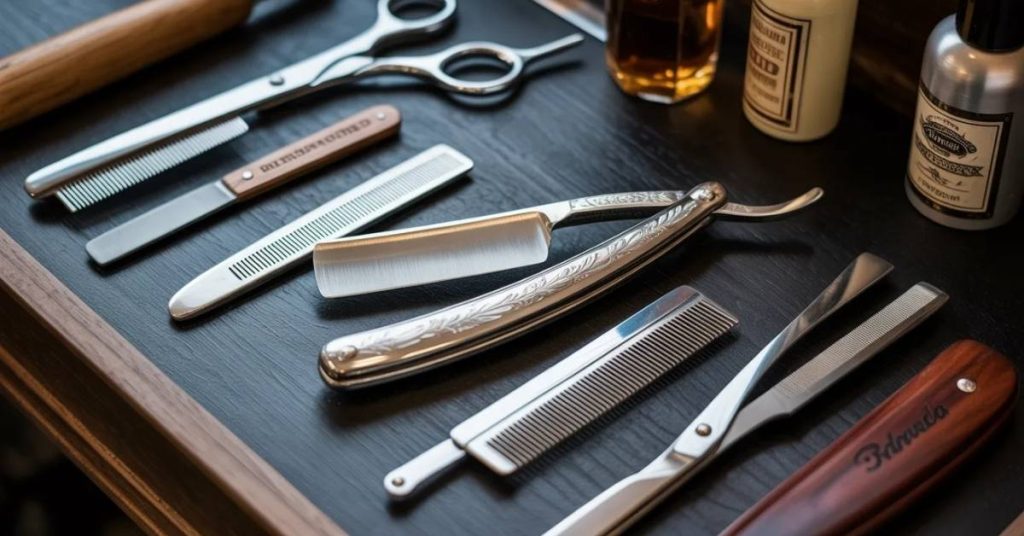
Professional razor cutting requires specialized tools.
Japanese Feather Styling Razor
The Japanese Feather styling razor remains the industry standard. It provides excellent blade sharpness and controlled cutting.
Benefits
- Precision cutting
- Reduced pulling
- Better ergonomics
- Cleaner slicing motion
Guarded vs. Unguarded Blades
Guarded blades include a safety barrier that limits aggressive cutting.
Best For:
- Beginners
- Fine hair
- Soft texturizing
Unguarded Blades
Unguarded blades cut more aggressively.
Best For:
- Experienced barbers
- Thick hair
- Deep texture creation
Disposable Blade Hygiene Systems
Professional barbers must use disposable blades for sanitation and safety.
Hygiene Benefits
| Hygiene Practice | Purpose |
| Single-use blades | Prevent contamination |
| Blade disposal containers | Avoid injury |
| Alcohol disinfection | Kill surface bacteria |
| Barbicide sterilization | Tool sanitation |
| Gloves during nicks | Reduce pathogen exposure |
The Science Behind Razor Cutting
Razor cutting changes the physical structure of the hair shaft differently than scissors.
Understanding Hair Anatomy
Each hair strand contains:
- Cuticle
- Cortex
- Medulla
The cuticle acts as a protective outer layer.
The Cuticle Analysis: Scissor vs. Razor Under Micro-Lens
Scissor Cutting
Scissors compress the hair before cutting. This creates a blunt edge.
Effects
- Sharp perimeter
- Dense weight lines
- Reduced movement
Razor Cutting
A razor slices the hair diagonally.
Effects
- Tapered edge
- Flexible texture
- Better movement
- Softer finish
The Taper-Point Theory
The “Taper-Point Theory” explains why razor-cut hair creates natural volume.
When a razor bevels the hair strand, the ends taper gradually instead of ending abruptly. These tapered points allow neighboring hairs to overlap and “nest” together.
This invisible support system increases movement while maintaining lightweight structure.
Key Benefits
- Improved texture
- Better airflow
- Enhanced volume
- Softer grow-out
Straight Razor Hair Cutting Techniques Explained
Professional barbers use multiple razor methods depending on hair texture and style goals.
Surface Slicing Technique
Surface slicing removes weight from the outer layers.
How It Works
The barber glides the razor lightly across the hair surface at a shallow angle.
Best For
- Thick hair
- Texture enhancement
- Soft movement
Internal Thinning Technique
Internal thinning removes bulk from inside the haircut while preserving outer shape.
Benefits
- Reduces heaviness
- Prevents mushroom shape
- Improves styling control
Point Cutting With a Razor
Point cutting creates separation and irregular texture.
Common Uses
- Fringe detailing
- Crop texture
- Soft layering
Channeling Technique for Volume
Channeling removes selective weight channels inside the haircut.
Results
- Airy texture
- Increased lift
- Flexible styling
This technique works especially well in modern textured crops.
Angle of Incidence: Proper Razor Stroke Technique
The razor must remain between a 30° and 45° angle during cutting.
Why Angle Matters
| Blade Angle | Result |
| Too Flat | Scrapes cuticle |
| 30°–45° | Smooth slicing |
| Too Steep | Hair snapping |
Proper angle control prevents excessive cuticle damage.
Men’s Textured Razor Cuts Trending in 2026
Modern razor hairstyles focus on movement and natural flow.
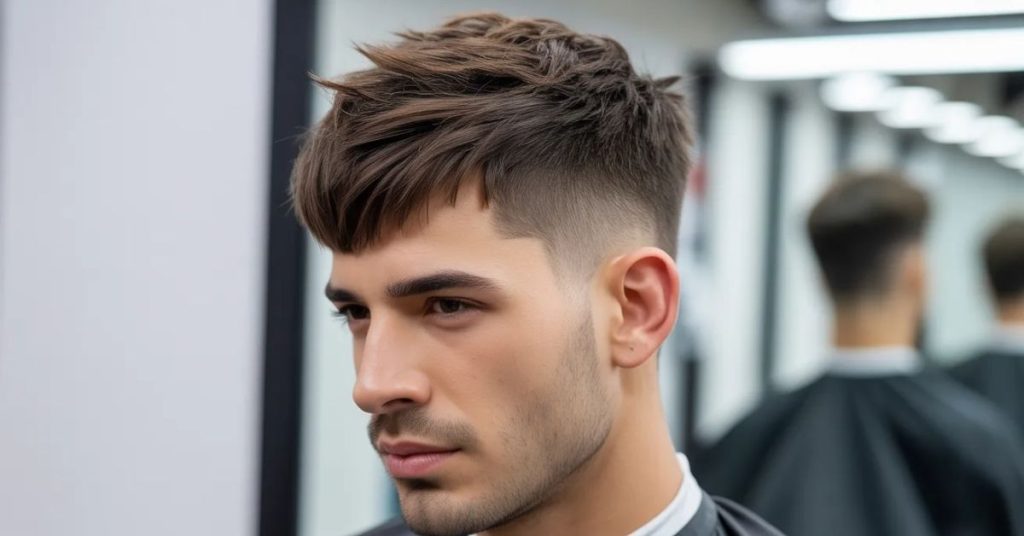
2026 Textured Crop
The textured crop remains one of the most requested razor cuts.
Features
- Choppy texture
- Soft fringe
- Tapered sides
- Lightweight styling
Ideal Hair Types
- Straight hair
- Wavy hair
- Medium density
Razor-Cut Pompadour
A razor-cut pompadour softens traditional pompadour rigidity.
Benefits
- Natural volume
- Easier styling
- Softer blend
- Less stiffness
90s-Inspired Grunge Layers
Layered razor cuts inspired by 1990s rock culture have returned.
Key Elements
- Medium length
- Disconnected texture
- Feathered movement
- Relaxed styling
Soft Perimeter Neck Taper
The soft neck taper blends naturally into the neckline.
Advantages
- Cleaner grow-out
- Reduced harsh lines
- Modern finish
Tapered Razor Fade
The tapered razor fade combines fading techniques with textured layering.
Why It Works
The fade provides structure while the razor adds softness on top.
Best Styling Products
| Product | Purpose |
| Sea salt spray | Texture |
| Matte clay | Definition |
| Light cream | Soft hold |
| Texture powder | Volume |
Razor Cutting for Thin Hair vs. Thick Hair
Hair density determines whether razor cutting is suitable.
Razor Cutting for Thin Hair
Thin hair requires caution.
Best Practices
- Use guarded blades
- Avoid over-thinning
- Focus on surface texture
- Maintain perimeter density
Risks
Excessive razor work can make fine hair appear sparse.
Razor Cutting for Thick Hair
Thick hair responds exceptionally well to razor techniques.
Benefits
- Weight reduction
- Improved movement
- Faster drying
- Easier styling
Razor Cutting for Curly and Coily Hair
Curly hair requires advanced expertise.
Important Considerations
- Dry cutting often works better
- Avoid aggressive thinning
- Preserve curl structure
Hair Type Compatibility
| Hair Type | Razor Compatibility |
| 1A Straight | Excellent |
| 2B Wavy | Excellent |
| 3C Coily | Moderate |
| 4C Tight Coils | Limited |
The 6-Week Growth Cycle Case Study
Professional barbers tracked three hair types over six weeks after razor cutting.
Subject 1: Straight Hair (1A)
1–2
- Strong texture definition
- Lightweight movement
3–4
- Natural blending
- Minimal bulk buildup
5–6
- Seamless grow-out
- No harsh weight lines
Subject 2: Wavy Hair (2B)
Results
The razor enhanced wave separation naturally.
Benefits
- Better curl flow
- Reduced puffiness
- Soft perimeter growth
Subject 3: Coily Hair (3C)
Results
Controlled razor texturizing improved shape but required conservative technique.
Observation
Over-thinning increased frizz risk.
Why Razor Cuts Grow Out Better
Razor-cut layers blend gradually as the hair lengthens.
Blunt scissor lines become visible quickly during growth, while tapered razor ends maintain softness longer.
This reduces salon visit frequency.
Razor vs. Scissor Cut for Men
Both methods offer advantages.
Razor Cutting Advantages
- Natural movement
- Lightweight texture
- Seamless blending
- Softer finish
Scissor Cutting Advantages
- Structural precision
- Strong outlines
- Better for ultra-fine hair
- Cleaner geometric shapes
Which Technique Is Better?
The answer depends on:
- Hair density
- Style goals
- Hair health
- Maintenance preferences
Most elite barbers combine both methods.
Common Razor Cutting Mistakes
Improper razor use damages hair quality.
Over-Thinning
Removing too much weight weakens structure.
Incorrect Blade Angle
Poor angles scrape the cuticle instead of slicing cleanly.
Dull Blades
Dull blades snag and fray the hair.
Hair Cuticle Damage Prevention
Professional barbers prioritize cuticle protection.
Prevention Methods
| Prevention Technique | Benefit |
| Sharp blades | Cleaner cuts |
| Correct angles | Less friction |
| Controlled pressure | Reduced breakage |
| Moisturized hair | Better glide |
Occupational Safety & Hygiene Protocol
Modern barbering follows strict sanitation standards.
Blade Sterilization Protocols
Disposable blades should never be reused between clients.
Standard Safety Procedures
- Use single-use blades
- Dispose immediately after use
- Sterilize reusable tools
- Wear gloves if skin breaks occur
Barbicide and Dettol Disinfection Systems
Professional barbers commonly use:
- Barbicide
- Chloroxylenol-based disinfectants
- Alcohol solutions
These solutions eliminate bacteria and reduce blood-borne pathogen transmission risks.
Preventing Folliculitis Barbae on the Neckline
Folliculitis barbae causes razor bumps and irritation.
Prevention Tips
- Avoid over-close neck shaving
- Use fresh blades
- Apply soothing antiseptic
- Reduce friction pressure
Why Single-Use Blades Matter
Blood-borne pathogens remain a serious concern in barbering environments.
Using disposable blades minimizes risks related to:
- Hepatitis transmission
- Skin infections
- Cross-contamination
Professional hygiene standards protect both clients and barbers.
How to Maintain Men’s Textured Razor Cuts
Maintenance determines how long the haircut stays attractive.
Washing Routine
Use lightweight shampoos that preserve texture.
Avoid
- Heavy silicones
- Overwashing
- Excessive heat drying
Styling Routine
Modern razor styles look best with matte products.
Recommended Products
| Product Type | Ideal Finish |
| Matte clay | Dry texture |
| Sea salt spray | Natural separation |
| Styling cream | Flexible hold |
| Texture powder | Volume lift |
Heat Styling Tips
Excessive heat weakens tapered ends.
Best Practices
- Use medium heat
- Apply heat protectant
- Avoid aggressive brushing
Barber Consultation Guide
Clients should communicate clearly before getting a razor haircut.
Questions to Ask Your Barber
- Will razor cutting suit my hair density?
- How much texture should be removed?
- Will the cut grow out naturally?
- Which products should I use?
Multi-Media Integration Plan for Barber Websites
Modern grooming websites benefit from interactive content.
Technical Diagram Concepts
Angle of Incidence Diagram
A visual showing the proper 30°–45° razor angle improves educational value.
Sectioning Map Blueprint
Highlight scalp danger zones where over-thinning causes flyaways.
Common Danger Areas
- Crown
- Front fringe
- Cowlick regions
Video Module Ideas
The Silent Cut
An ASMR-style demonstration comparing sharp and dull blades.
The Guard Change Tutorial
A short ergonomic tutorial explaining safe Feather blade replacement.
Interactive Hair Texture Compatibility Calculator
Users input:
- Hair density
- Curl pattern
- Desired texture level
The calculator then generates a razor compatibility score.
Best Face Shapes for Razor Haircut Men Styles
Oval Faces
Most razor hairstyles work well.
Square Faces
Textured tops soften strong jawlines.
Round Faces
Vertical texture creates elongation.
Diamond Faces
Layered movement balances facial width.
Seasonal Razor Haircut Trends
Summer Trends
- Crops
- Razor fades
- Lightweight texture
Winter Trends
- Medium layers
- Grunge styling
- Longer pompadours
Professional Barber Insights
Elite barbers view razor cutting as an advanced craft rather than a shortcut.
The best razor haircuts combine:
- Technical precision
- Hair health awareness
- Facial balance
- Texture engineering
Modern barbering increasingly blends traditional artistry with scientific understanding.
Author Bio
Hamza is a Master Barber and Lead Educator with over 18 years of experience specializing in manual blade techniques. Having performed more than 25,000 razor cuts, Hamza focuses on the intersection of vintage craftsmanship and modern ergonomics. His work has been featured at international barber expos and advanced grooming seminars, and he is a certified instructor for Feather Professional Systems. Hamza advocates for the “Blade-First” methodology, prioritizing hair health, natural movement, and personalized texture over rigid geometric shaping.
Conclusion
Razor haircut men styles represent the perfect balance between classic barbering craftsmanship and modern texture-focused grooming. Straight razor hair cutting techniques create softer edges, lightweight movement, and natural volume that traditional scissor cuts often cannot achieve. From textured crops and razor-cut pompadours to grunge-inspired layers and tapered fades, razor techniques continue shaping the future of men’s hairstyling in 2026.
Professional razor cutting requires far more than artistic creativity. Barbers must understand blade angles, hair density, cuticle protection, sanitation standards, and growth behavior. When performed correctly, razor cutting enhances texture while maintaining healthy hair structure and seamless grow-out.
As modern grooming trends continue moving toward effortless styling and personalized texture, feather razor haircutting will remain one of the most valuable skills in advanced barbering. Whether someone wants a subtle textured finish or a bold layered transformation, a professionally executed razor haircut delivers flexibility, movement, and timeless style.
FAQs
Are razor haircuts bad for your hair?
No. Professional razor cutting does not damage hair when barbers use sharp blades, proper angles, and controlled pressure.
How long do razor haircuts last?
Most razor cuts maintain their shape for four to six weeks because the layers grow out naturally.
Can thin hair handle razor cutting?
Yes, but barbers must use conservative techniques and guarded blades to avoid excessive thinning.
What is the difference between a razor cut and a scissor cut?
Razor cuts create soft tapered ends and natural texture, while scissor cuts create blunt structure and sharper lines.
Which hairstyles work best with razor techniques?
Textured crops, layered shags, pompadours, taper fades, and grunge-inspired styles respond especially well to razor cutting.