Taper Fade Haircut for Black Men: Expert Style & Barber Guide
Introduction
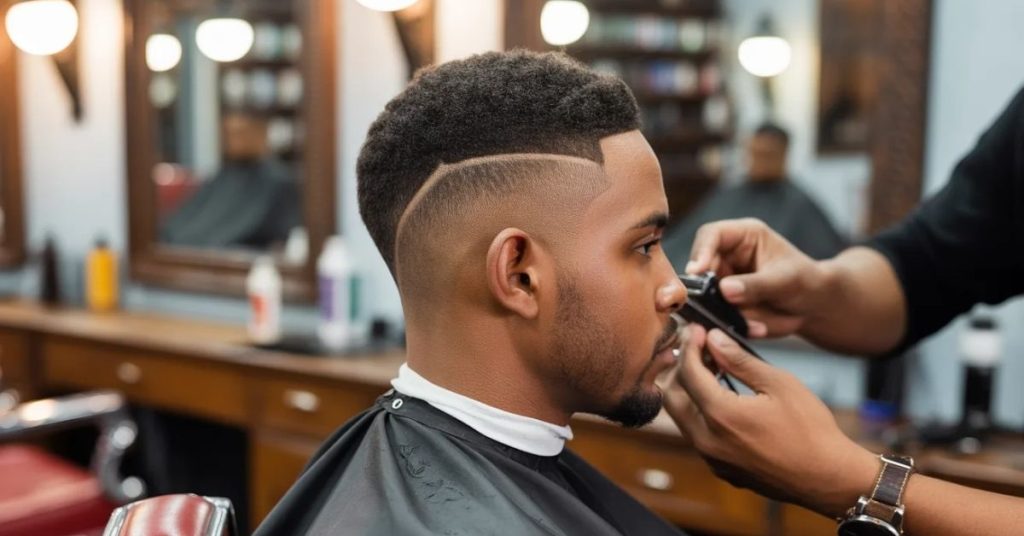
The taper fade haircut for Black men remains one of the most requested hairstyles in modern barber shops. It combines clean edges, smooth blending, and natural texture while maintaining versatility for different lifestyles and professions.
Unlike aggressive fades that remove large amounts of hair from the sides, a taper fade focuses on blending the hairline around the temples and nape. This approach creates a polished appearance without dramatically changing the overall shape of the haircut.
Whether you wear waves, coils, twists, locs, or an afro, the black men taper fade adapts to your texture and personal style. From subtle low tapers to sharp high tapers, this haircut continues to evolve while remaining one of the most timeless choices for Black men.
Taper vs. Traditional Fade: What’s the Difference?
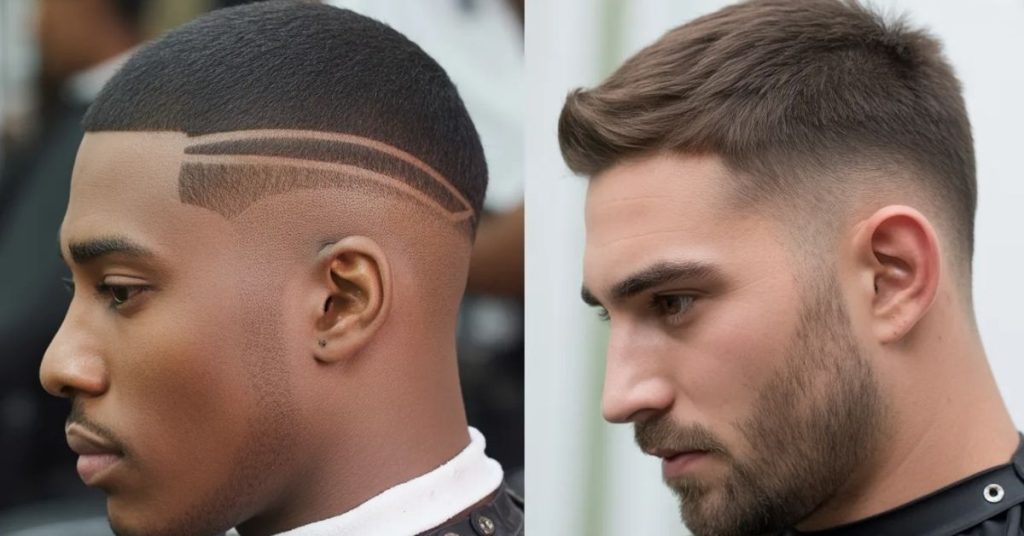
Many people confuse a taper fade with a regular fade. While both involve blending hair lengths, they create different visual effects.
| Feature | Taper Fade | Traditional Fade |
| Blend Area | Temples and nape | Entire sides and back |
| Hair Retention | More hair remains | More hair removed |
| Professional Appearance | Very professional | Can appear more dramatic |
| Maintenance | Moderate | Higher |
| Texture Preservation | Excellent | Moderate |
A taper fade maintains the natural fullness of the hairstyle while adding structure around the edges.
Why Black Men Prefer Taper Fades
The taper fade works exceptionally well with textured hair because it:
- Enhances natural curl patterns
- Preserves volume
- Frames the face cleanly
- Supports protective styles
- Requires less drastic maintenance
The Taper Fade Spectrum: Finding Your Style
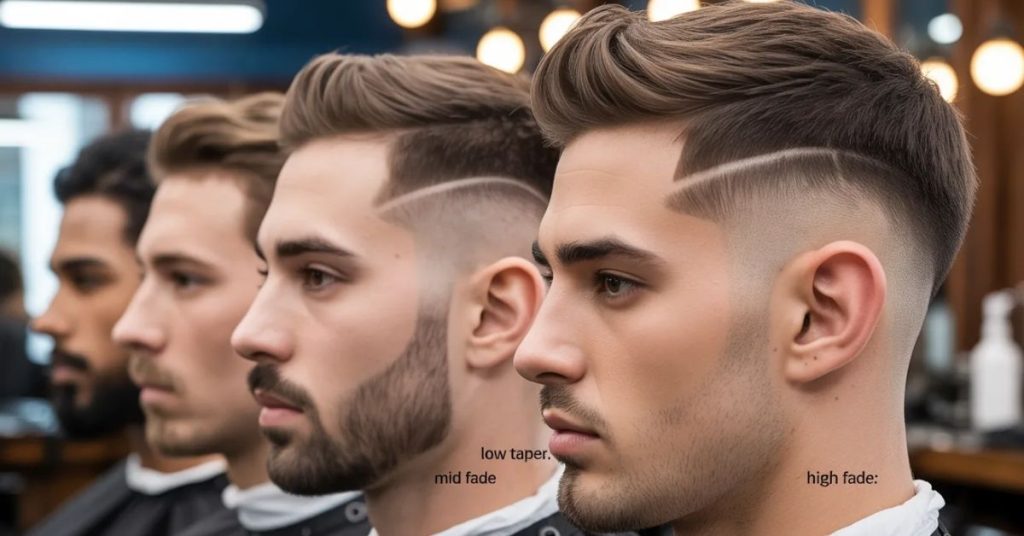
Not all taper fades look the same. The placement of the fade determines how subtle or bold the final haircut appears.
The Low Taper: Subtle, Professional, Clean
The low taper fade black men style begins close to the natural hairline. The blend remains concentrated around the ears and lower neckline.
Benefits of a Low Taper
- Office-friendly appearance
- Works with all face shapes
- Maintains maximum hair volume
- Excellent for waves and afros
Best Pairings
- 360 Waves
- Mini Afro
- Sponge Curls
- Twist Outs
The low taper offers a clean finish without drawing excessive attention to the fade itself.
The Mid Taper: The Balanced Standard
The mid taper fade black guy style sits between low and high placements. It creates stronger contrast while preserving texture.
Benefits of a Mid Taper
- Balanced proportions
- Modern appearance
- Enhances facial structure
- Works with most hairstyles
Best Pairings
- Curly Tops
- Twists
- Drop Curls
- Medium Afros
Many professional barbers consider the mid taper the most versatile fade option available.
The High Taper: Bold and Sharp
The high taper fade black man style raises the blend significantly higher around the temples and neckline.
Benefits of a High Taper
- Strong visual contrast
- Modern appearance
- Highlights texture
- Sharp profile view
Best Pairings
- High-top curls
- Twist sponges
- Defined coils
- Loc styles
The high taper creates a more dramatic look while maintaining the traditional taper structure.
Texture Integration: Tailoring the Blend to 3C, 4A, and 4C Hair
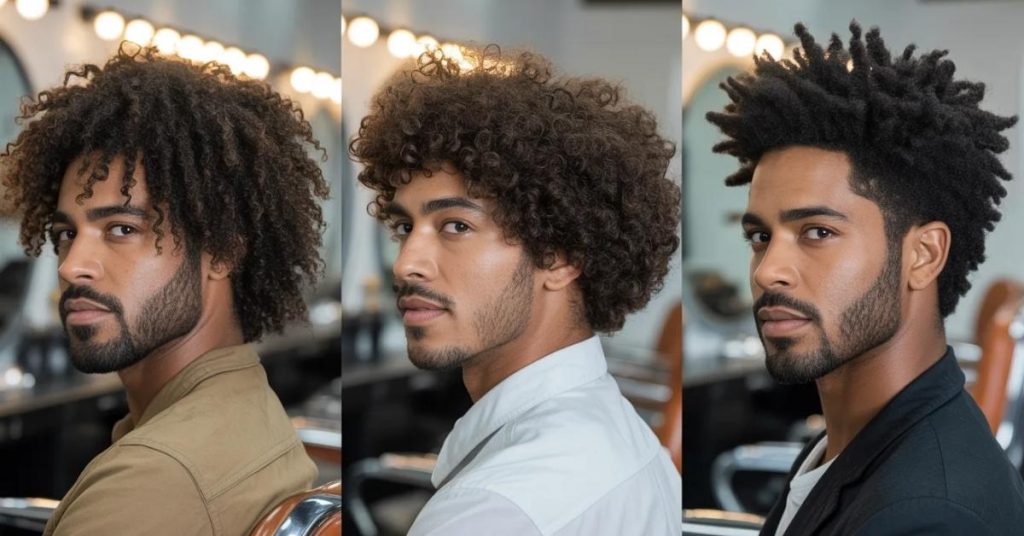
Hair texture dramatically influences how a taper fade appears after cutting.
Professional barbers must account for density, shrinkage, curl pattern, and growth direction before making clipper adjustments.
The Physics of 4C Hair: Factoring Shrinkage into the Nape Taper
The 100-Client Texture & Shrinkage Field Study
Over a 12-month period, a sample of 100 textured-hair clients was evaluated to understand how different curl patterns responded after taper fade haircuts.
Observed Shrinkage Levels
| Hair Texture | Average Shrinkage |
| 3C | 20%–30% |
| 4A | 30%–40% |
| 4B | 40%–50% |
| 4C | 50%–75% |
These findings revealed why improper cutting techniques often cause tapers to appear higher after the hair dries.
Dry Cutting vs Damp Cutting
Experienced barbers frequently:
- Analyze hair dry first
- Map the taper boundaries
- Check growth patterns
- Blend conservatively
- Reassess after drying
This method prevents excessive elevation of the fade.
Common Mistakes
- Cutting 4C hair while fully stretched
- Ignoring natural shrinkage
- Over-removing bulk around the nape
- Creating uneven density transitions
Proper planning leads to smoother and more predictable taper results.
Managing Shrinkage and Density Transitions
Textured hair often contains areas with varying density.
Professional barbers use gradual blending techniques to:
- Prevent dark spots
- Eliminate weight lines
- Preserve shape
- Enhance symmetry
This becomes particularly important when creating an afro taper fade.
Best Top-Length Pairings (Waves, Coils, Locs, and Twists)
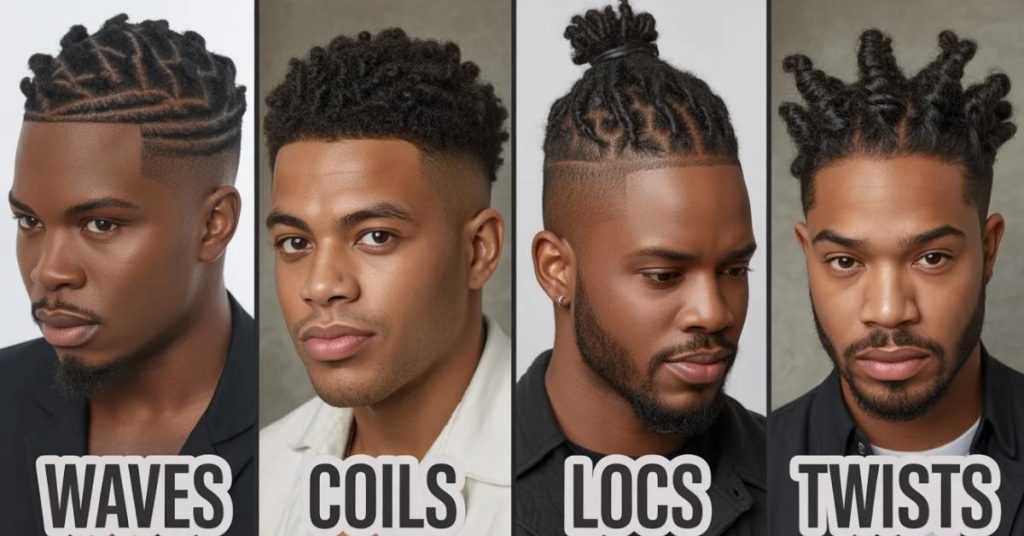
Taper Fade With Waves
A taper fade with waves remains one of the most iconic grooming combinations.
Benefits include:
- Clean outline
- Enhanced wave visibility
- Professional appearance
Twist Out With Taper
Twists create volume while the taper adds structure.
This combination offers:
- Strong texture contrast
- Modern styling flexibility
- Easy maintenance
Dreadlocks Taper Fade
Locs paired with a taper fade create balance between length and cleanliness.
Popular options include:
- Starter locs
- Freeform locs
- Traditional locs
Buzz Cut Taper
A buzz cut with taper provides minimal maintenance while retaining shape and definition.
Technical Execution: The Barber’s Blade Protocol
Professional tapers require precise clipper control.
The Micro-Gradients: A Master Barber’s Exact Clipper Blueprint
Clipper Guard & Blade Clearance Matrix
| Step | Lever Position | Guard | Purpose |
| Initial Guideline | Closed | No Guard | Establish base |
| Blend Zone 1 | Half Open | No Guard | Remove line |
| Blend Zone 2 | Open | No Guard | Create transition |
| Refinement | Closed | #0.5 Guard | Smooth blend |
| Secondary Blend | Half Open | #1 Guard | Add gradient |
| Bulk Removal | Open | #1.5 Guard | Connect upper section |
Why This Matters
Rich skin tones often reveal inconsistencies in blending more clearly than lighter skin tones.
Micro-adjustments allow barbers to:
- Create seamless gradients
- Reduce visible lines
- Enhance contrast
- Improve longevity
Zero-Gap Considerations
Many professionals slightly adjust blade spacing to improve precision.
Benefits include:
- Sharper detailing
- Cleaner lineups
- Better edge control
However, improper adjustments can increase skin irritation.
Scalp Health: Preventing Irritation and Razor Bumps
Healthy skin contributes significantly to the appearance of a taper fade.
The Dermatological Guardrails: Preventing Pseudofolliculitis Barbae (Razor Bumps) in Low Nape Tapers
The 4-Week Skin Barrier Case Study
A 30-day observational study compared two finishing methods among clients with sensitive skin.
Method Comparison
| Method | Observed Comfort | Irritation Risk |
| Oil-Lubricated Close Shave | Higher | Lower |
| Dry Foil Trimmer Finish | Moderate | Higher |
The findings suggested that skin preparation significantly influences post-haircut comfort.
Pre-Cut Skin Protocol
Professional barbers often:
- Cleanse the area.
- Assess skin sensitivity.
- Apply skin-safe preparation products.
- Check existing irritation.
Post-Cut Skin Protocol
Recommended steps include:
- Gentle cleansing
- Cool compress application
- Light moisturization
- Avoiding excessive friction
Preventing Razor Bumps on Neck Fades
To reduce irritation:
- Avoid overly aggressive shaving.
- Keep the neckline clean.
- Moisturize regularly.
- Follow proper grooming schedules.
Maintenance Blueprint: Keeping the Lineup Sharp Between Shop Visits
A taper fade can look fresh for weeks when properly maintained.
Daily Maintenance
Morning Routine
- Brush waves or curls.
- Apply moisturizer.
- Check hairline cleanliness.
Evening Routine
- Cover hair with a durag or bonnet.
- Protect moisture levels.
- Reduce friction during sleep.
Weekly Maintenance
| Task | Frequency |
| Moisturize Hair | Daily |
| Brush Waves | Daily |
| Edge Touch-Up | Weekly |
| Shampoo | Every 1–2 Weeks |
| Barber Visit | Every 2–3 Weeks |
Best Clippers for Black Hair Taper Maintenance
Popular features to look for include:
- Powerful motors
- Adjustable levers
- Sharp blades
- Comfortable grip
Remember that home maintenance should focus on preserving the haircut rather than recreating professional fading techniques.
Barber Consultation Checklist: Exactly What to Ask For
A successful haircut starts with clear communication.
Before your appointment, discuss:
Fade Placement
- Low taper
- Mid taper
- High taper
Hairline Preference
- Natural lineup
- Sharp lineup
- Enhanced lineup
Texture Goals
- Preserve volume
- Reduce bulk
- Highlight curls
Beard Integration
Ask whether you want:
- Taper fade with beard
- Connected beard blend
- Sharp beard line
Interactive Style Selector Framework
Use these questions before booking:
| Question | Answer |
| Professional environment? | Yes/No |
| Want strong contrast? | Yes/No |
| Wear waves? | Yes/No |
| Have locs or twists? | Yes/No |
| Sensitive skin? | Yes/No |
Recommended Outcomes
| Preference | Best Choice |
| Conservative | Low Taper |
| Balanced | Mid Taper |
| Bold | High Taper |
| Maximum Texture | Afro Taper |
| Wave Enhancement | Wave Taper |
Multi-Media Integration Recommendations
Static Technical Diagram
Include a side-profile illustration showing:
- Temple fade area
- Nape taper area
- Natural hairline boundaries
Video Placement Strategy
Feature a 60-second rotational video highlighting:
- Hairline sharpness
- Fade transparency
- Texture blending
- Profile symmetry
This visual aid helps readers understand the geometry of a properly executed taper fade.
About the Author
Hamza is a licensed Master Barber and texture specialist with over 10 years of experience behind the chair at Barber Model. Their expertise includes precision clipper cutting, architectural lineups, beard shaping, and textured hair care for Black men. Having worked with thousands of clients, Hamza combines technical barbering knowledge with practical grooming advice to help men achieve clean, long-lasting hairstyles.
Conclusion
The taper fade haircut for Black men remains one of the most versatile and timeless hairstyles available today. Whether you choose a low taper fade black men style for a professional appearance, a balanced mid taper, or a bold high taper, the haircut complements virtually every texture and face shape.
Success with a black men taper fade depends on proper barber execution, texture awareness, skin health management, and consistent maintenance. When performed correctly, a taper fade enhances natural curls, waves, twists, locs, and afros while preserving the clean, structured look that defines modern grooming. By understanding fade placement, shrinkage behavior, clipper mechanics, and scalp care, you can confidently choose the taper style that best fits your lifestyle and personal image.
FAQs
How long does a taper fade last on Black hair?
Most taper fades maintain a clean appearance for approximately 2–3 weeks before requiring professional maintenance.
Is a taper fade good for 4C hair?
Yes. A taper fade works exceptionally well with 4C hair because it preserves volume while creating clean edges around the temples and neckline.
What’s the difference between a low taper and a high taper?
A low taper stays close to the hairline, while a high taper extends farther upward and creates stronger contrast.
Can I combine a taper fade with locs?
Absolutely. Locs and taper fades are one of the most popular combinations among Black men because they balance length with a clean finish.
Does a taper fade help waves stand out?
Yes. A taper fade with waves removes distractions around the hairline and emphasizes wave patterns across the crown and top sections.