Men’s Haircut Back Views: Necklines, Fades & Styles
Introduction
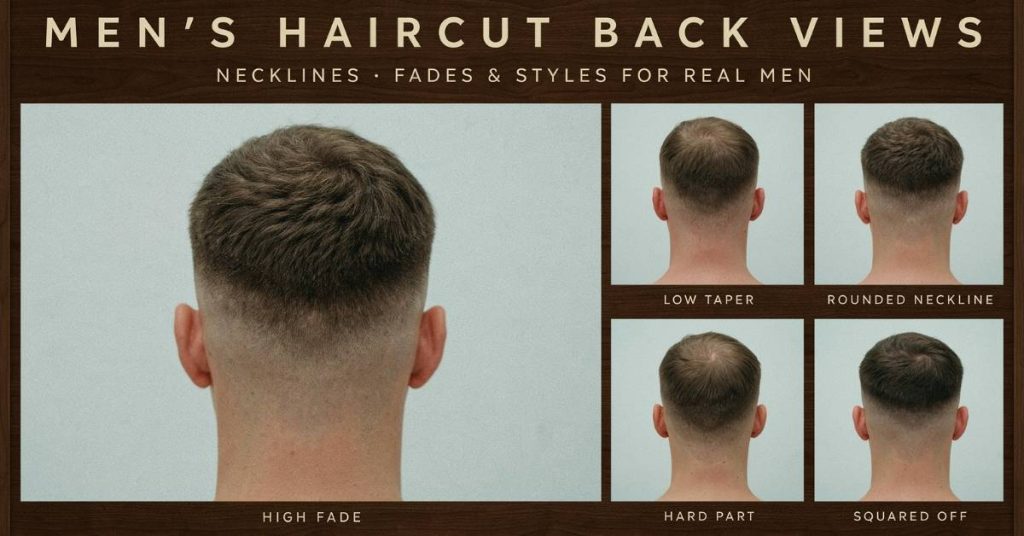
Most men judge a haircut by looking in the bathroom mirror. They focus on the fringe, side profile, or beard blend, while the mens haircut back view often receives little attention. However, the back of your haircut is just as important because it creates balance, improves symmetry, and determines how long your haircut continues to look clean after leaving the barber.
People rarely see the front of your hairstyle when you walk into a room. Instead, they often notice the back and sides first. Whether you’re attending a business meeting, wedding, interview, or social event, the rear profile contributes significantly to your overall appearance. A well-designed men haircut back design complements your head shape, enhances your fade, and creates a polished finish from every angle.
Professional barbers understand that the neckline acts as the foundation of the haircut. Even the sharpest fade loses its appeal when the neckline grows out unevenly or fails to match the client’s natural hair growth pattern. Therefore, selecting the correct neckline is not simply a stylistic decision, it directly affects maintenance, durability, and the visual balance of the haircut.
Why Professional Barbers Focus on the Back First
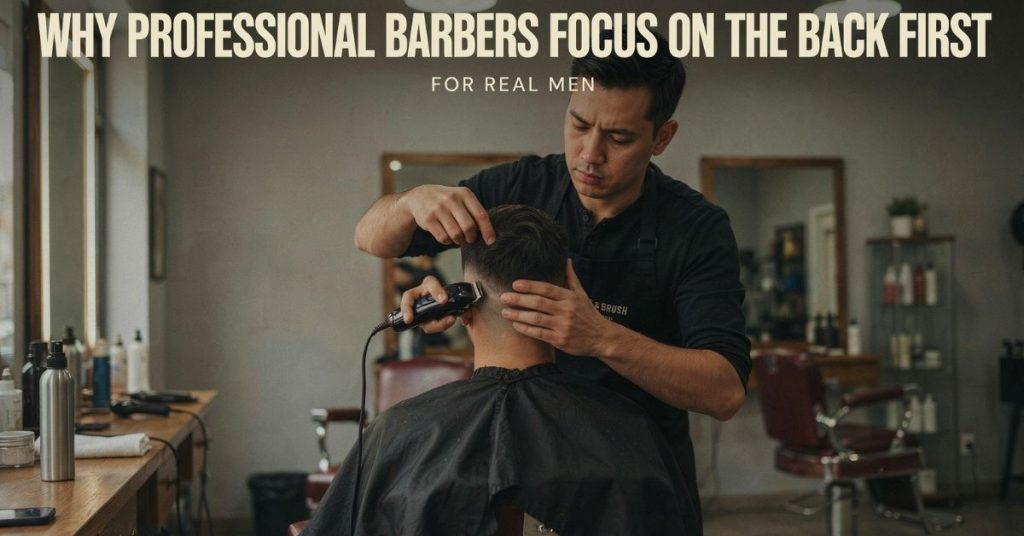
Experienced barbers often begin planning a haircut by evaluating the back of the head before making the first clipper pass. This approach allows them to create a haircut that works with the client’s natural anatomy instead of fighting against it.
During the consultation, a barber typically examines:
- Hair growth direction around the crown
- Natural neckline pattern
- Occipital bone prominence
- Neck width and length
- Cowlick placement
- Existing fade lines
- Density around the nape
These observations influence the choice between a blocked, tapered, rounded, or natural neckline and determine whether styles such as a taper fade back view, burst fade back view, or skin fade back neckline will suit the individual.
Key Elements That Define a Great Back View
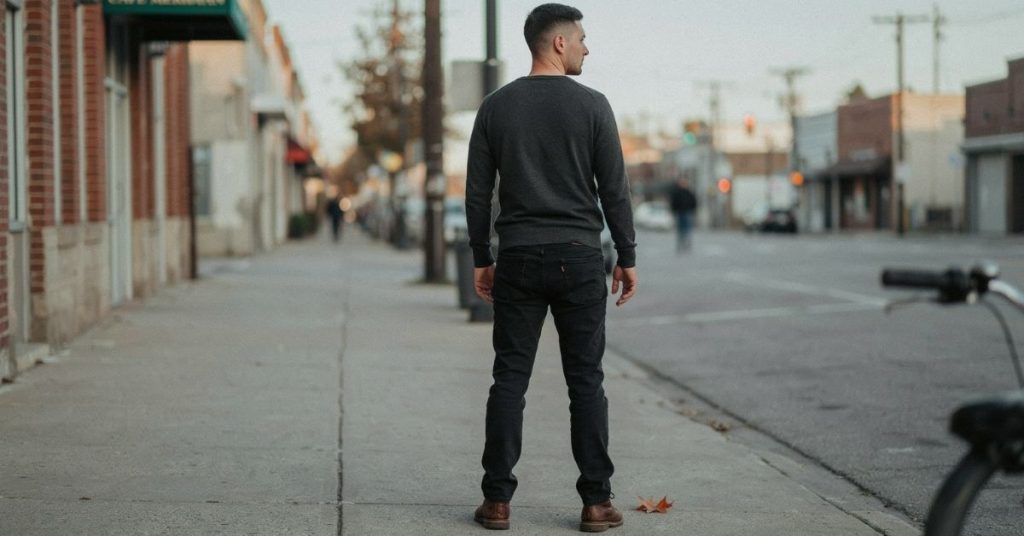
Several technical details work together to create an attractive rear profile.
| Element | Why It Matters | Effect on Appearance |
| Neckline Shape | Defines the haircut finish | Creates a clean or natural look |
| Fade Transition | Controls blending | Makes the haircut appear smooth |
| Hair Weight Distribution | Maintains balance | Prevents bulky areas |
| Crown Blending | Controls swirl patterns | Reduces visible cowlicks |
| Side Balance | Improves symmetry | Creates proportional shape |
| Nape Finish | Extends haircut lifespan | Keeps the haircut cleaner longer |
Each of these elements contributes to how well the haircut ages over time. When executed correctly, the haircut grows out naturally and maintains its structure between barber visits.
The Hidden Science Behind a Balanced Haircut
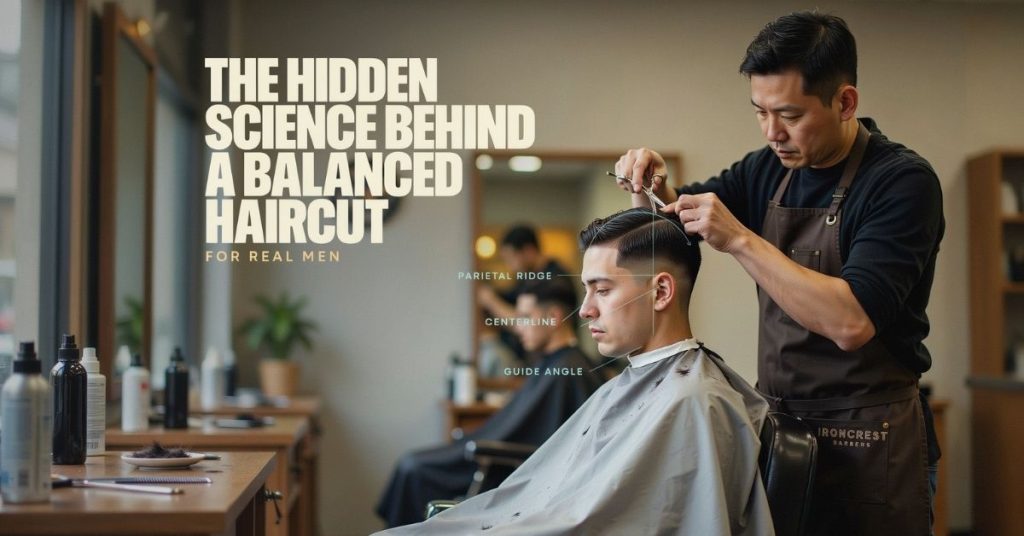
The back of the head contains one of the most challenging areas for any barber. Hair rarely grows in a perfectly straight direction. Instead, it forms whorls, crowns, and changing growth angles that require careful clipper control.
The occipital bone, located at the back of the skull, largely determines how a haircut should be blended. Men with a flatter occipital area often benefit from techniques that build additional weight, while those with a more pronounced occipital ridge usually look better with softer transitions that prevent the haircut from appearing bulky.
Understanding these anatomical differences allows barbers to customize each haircut rather than applying the same fade technique to every client.
How Different Necklines Change Your Appearance
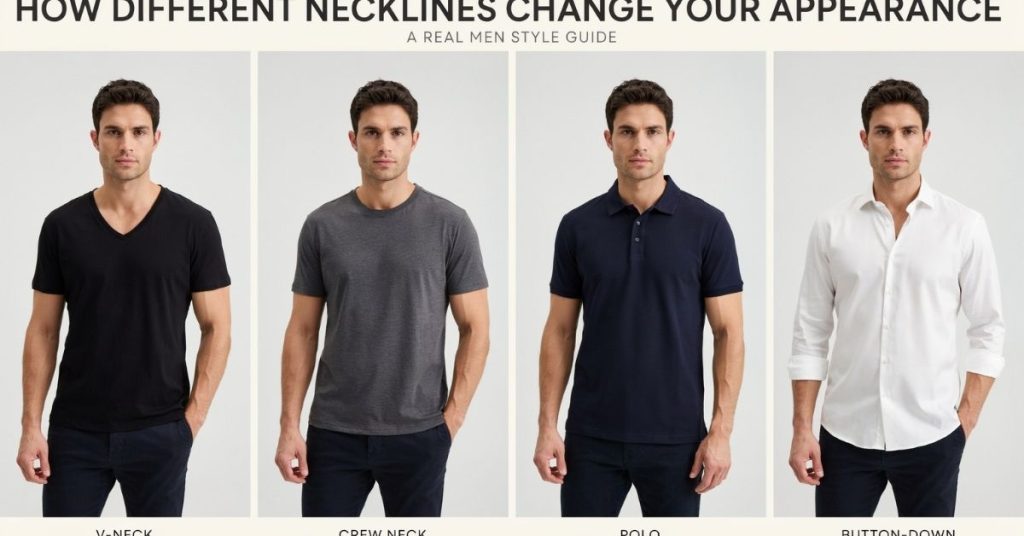
The neckline influences more than maintenance, it can also alter visual proportions.
- A blocked neckline creates a bold, defined finish that suits thicker hair and structured styles.
- A tapered neckline softens the transition into the neck, making the haircut grow out more naturally.
- A rounded neckline follows the natural hairline and works well for men seeking a classic, low-maintenance appearance.
- A V-shape haircut back view men creates a striking silhouette and adds personality to longer or textured hairstyles.
Choosing the right neckline depends on your hair texture, neck width, head shape, and personal grooming routine rather than current trends alone.
Common Mistakes Men Make
Many clients unintentionally reduce the lifespan of an otherwise excellent haircut by overlooking the rear profile.
Common mistakes include:
- Choosing a neckline based only on photos.
- Ignoring natural hair growth patterns.
- Selecting a skin fade without considering maintenance.
- Asking for an overly high fade that disrupts head proportions.
- Neglecting regular neck hair cleanup between barber appointments.
- Copying a celebrity haircut that doesn’t match their head shape.
- Forgetting to inspect the haircut from the back before leaving the barbershop.
Avoiding these mistakes helps preserve the shape and cleanliness of your haircut while reducing the need for frequent touch-ups.
Pro Barber Insight
One of the easiest ways to improve any haircut is to stop judging it only from the front. A balanced back profile often makes the entire haircut look more expensive and professionally crafted. Before approving your next haircut, ask your barber to show you the rear view using a handheld mirror or photos. That simple step can make a noticeable difference in your satisfaction with the final result.
Decoding Men’s Necklines: Blocked, Rounded, or Tapered?
Choosing the right neckline is one of the most important decisions when planning a haircut. Although many men focus on the fade or hairstyle, the neckline determines how clean the haircut looks from behind and how gracefully it grows out. Understanding the types of back necklines haircuts helps you communicate clearly with your barber and choose a finish that suits your hair texture, head shape, and grooming routine.
The Blocked (Square) Neckline: Pros, Cons & Ideal Face Shapes
A blocked neckline creates a crisp, squared edge across the nape. It works particularly well on men with thick, straight hair because it produces a bold, structured finish.
Advantages
- Sharp, defined appearance
- Ideal for business and classic hairstyles
- Makes fine neck hair look fuller
- Excellent for pompadours and side parts
Disadvantages
- Shows regrowth quickly
- Requires frequent touch-ups
- Can make a wide neck appear broader
Best For
- Thick straight hair
- Oval faces
- Long necks
- Medium-density hair
The Tapered Neckline: Why It Outlasts Every Other Style
The tapered neckline gradually blends into the natural neck hair, making the haircut appear cleaner for a longer period. Many professional barbers recommend this finish because it grows out naturally without creating harsh lines.
Benefits include:
- Longer-lasting appearance
- Softer transition
- Less noticeable regrowth
- Minimal maintenance
- Professional and versatile finish
A taper fade back view remains one of the most requested styles because it complements nearly every haircut while reducing maintenance between barber visits.
Natural & Rounded Necklines: Low-Maintenance Elegance
Rounded necklines follow the client’s natural hairline instead of creating artificial edges. This style suits men with curly, wavy, or coarse hair because it respects natural growth patterns.
Rounded necklines are ideal for:
- Curly hair
- Wavy hair
- Thick neck hair
- Low-maintenance grooming
- Mature professionals
Neckline Comparison Table
| Neckline | Appearance | Maintenance | Best Hair Type |
| Blocked | Sharp & bold | High | Straight, thick |
| Tapered | Soft & blended | Low | All hair types |
| Rounded | Natural | Very low | Curly, wavy |
| V-Shape | Modern & stylish | Medium | Medium to long hair |
The 3-Zone Occipital Blueprint: Matching Haircuts to Head Shapes
Professional barbers evaluate the back of the head in three zones before selecting the ideal fade or neckline.
Zone 1 – Upper Crown
This area contains the crown and natural whorl. Hair often changes direction here, requiring careful blending to avoid visible lines.
Zone 2 – Occipital Ridge
The occipital ridge determines how the haircut carries weight. A flat occipital bone benefits from additional weight, while a prominent ridge usually requires softer blending to maintain balance.
Zone 3 – Nape & Neckline
The nape forms the haircut’s foundation. Selecting the proper neckline ensures the haircut grows out evenly and maintains a clean appearance.
Pro Barber Tip
Never choose a neckline solely because it looks good in a photo. Instead, match it to your natural growth pattern and head shape for the most balanced result.
Popular Back View Styles by Haircut Type
Taper Fade & Skin Fade Back Profile
The skin fade back neckline creates maximum contrast by fading the hair down to bare skin. Meanwhile, a taper fade offers a more subtle transition that suits professional environments.
Both styles require precise clipper work to achieve a seamless blend.
Burst Fade & Drop Fade Rear View
A burst fade back view curves naturally around the ear while leaving additional length toward the center. This technique pairs exceptionally well with faux hawks, textured crops, and curly hairstyles.
Drop fades lower the fade behind the ear, creating a rounded silhouette that follows the head’s natural contour.
Mullet, Shag & Textured Rear Profiles
Modern mullets emphasize texture instead of excessive length. A carefully blended rear profile keeps the haircut fashionable while maintaining structure.
Textured shags distribute weight evenly, making them excellent choices for men with thick or wavy hair.
V-Shape & Custom Hair Designs
The V shape haircut back view men style creates a pointed neckline that elongates the neck and adds personality to longer hairstyles.
Popular custom designs include:
- Razor lines
- Lightning patterns
- Geometric artwork
- Curved fade designs
- Personalized symbols
These designs require regular maintenance to preserve their sharp appearance.
Understanding Neckline Regrowth Over Time
Hair grows at different rates depending on genetics, hair texture, and grooming habits. While exact regrowth varies from person to person, different neckline styles generally maintain their appearance for different lengths of time.
| Neckline | Typical Appearance After 2 Weeks | Maintenance Level |
| Blocked | Sharp line softens and becomes more visible as stubble grows | High |
| Tapered | Blends naturally with new growth | Low |
| Rounded | Maintains a natural outline | Low |
| Skin Fade | Contrast becomes less defined as hair grows | High |
In general, tapered and rounded necklines tend to remain visually cleaner for longer because they blend gradually into the natural hairline rather than relying on a hard edge.
How to Deal with Rear Cowlicks and Unusual Growth Patterns
Cowlicks present one of the biggest challenges in barbering. Attempting to cut them too short often causes the hair to stand up instead of lying flat.
Professional barbers usually recommend:
- Leaving extra weight above high cowlicks
- Following natural growth direction
- Avoiding aggressive clipper work
- Using point cutting for better texture
- Applying lightweight styling products for control
Working with the natural growth pattern almost always produces a better result than trying to force the hair into an unnatural shape.
How to Self-Trim and Maintain Your Neckline Between Barber Visits
Keeping your neckline tidy helps extend the life of your haircut and maintain a polished appearance.
Essential Tools
- Trimmer
- Hand mirror
- Large mirror
- Barber cape
- Neck brush
Maintenance Steps
- Wash and dry your hair before trimming.
- Use two mirrors to clearly view the back of your head.
- Follow your existing neckline instead of creating a new one.
- Trim only stray hairs below the neckline.
- Avoid raising the neckline higher than your barber originally designed it.
- Brush away loose hair and inspect your work from multiple angles.
Maintaining your neckline every one to two weeks can help your haircut stay neat until your next barber appointment.
About the Author
Written by Hamza, Master Barber & Men’s Hair Stylist
With more than 10 years of professional barbering experience, Hamza specializes in precision fades, custom neckline shaping, head shape analysis, and modern men’s grooming. Throughout thousands of client consultations, he has developed practical techniques that help men choose hairstyles that remain sharp from every angle, not just the front. His expertise includes taper fades, skin fades, neckline customization, and correcting difficult hair growth patterns such as cowlicks and uneven nape growth.
Conclusion
The back of your haircut deserves just as much attention as the front. A carefully designed mens haircut back view enhances balance, improves symmetry, and helps your hairstyle look polished from every angle. Whether you prefer a bold blocked neckline, a versatile taper fade, a natural rounded finish, or a modern V shape haircut back view men, choosing the right style should always depend on your head shape, hair texture, natural growth pattern, and maintenance routine.
Working with an experienced barber ensures your neckline complements your facial features while extending the life of your haircut. Additionally, understanding the differences between various types of back necklines haircuts allows you to communicate your preferences more effectively and avoid common styling mistakes. With the right combination of fade, neckline, and regular maintenance, you can enjoy a haircut that remains clean, balanced, and stylish long after you leave the barber’s chair.
FAQs
1. What is the best men’s haircut back view for a professional look?
A low taper fade with a tapered neckline is one of the best options for a professional appearance. It creates a clean, polished finish while growing out naturally, making it suitable for office environments, business meetings, and formal occasions.
2. Which neckline lasts the longest between barber visits?
A tapered neckline generally lasts the longest because it blends gradually into the natural hairline. Unlike a blocked neckline, it doesn’t develop harsh regrowth lines as quickly.
3. What’s the difference between a blocked and tapered neckline?
A blocked neckline creates a sharp, squared edge that looks bold but requires frequent maintenance. In contrast, a tapered neckline fades naturally into the neck, resulting in a softer appearance and a longer-lasting haircut.
4. Is a rounded neckline good for curly hair?
Yes. A rounded neckline follows the natural hair growth pattern, making it an excellent choice for curly, wavy, and coarse hair. It also reduces the appearance of uneven regrowth.
5. How do I ask my barber for the perfect back neckline?
Show your barber reference photos of the mens haircut back view you prefer and specify whether you want a blocked, tapered, rounded, or V-shaped neckline. Also mention your preferred fade height and how often you plan to maintain your haircut.