Textured Crop Haircut Men: Styles, Tips & Techniques
Introduction
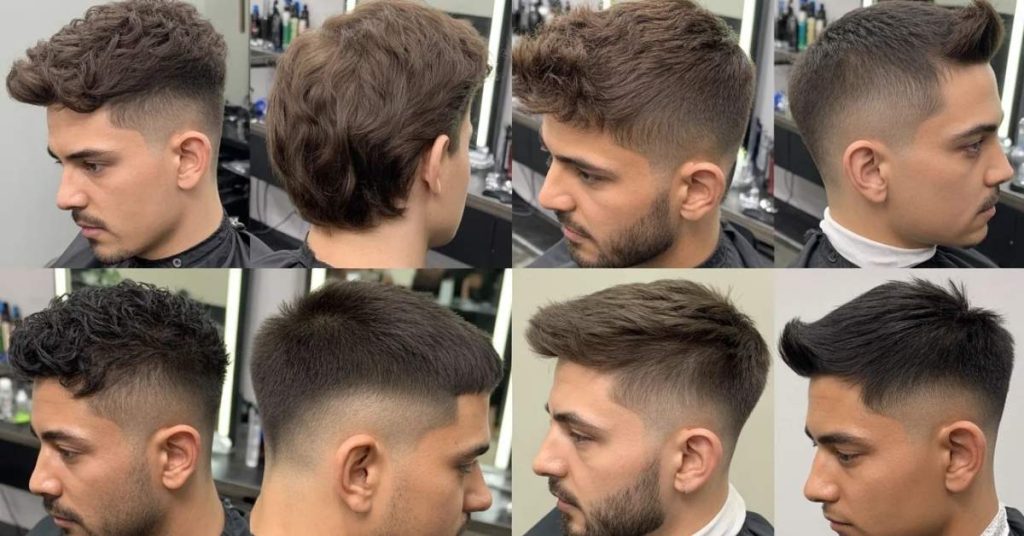
The textured crop haircut men trend continues to dominate modern grooming in 2026. It blends clean structure with natural movement, making it one of the most versatile and low-maintenance styles available today. From sharp professional looks to messy, relaxed finishes, the textured crop adapts easily to different lifestyles and hair types.
Barbers across Europe and beyond have refined this cut using advanced techniques like point cutting, texturizing, and forward flow shaping. Unlike traditional blunt cuts, the textured crop focuses on controlled imperfection. This creates depth, volume, and a natural finish that looks effortless but requires precision to achieve.
In this guide, you will learn everything about the textured crop haircut men, including fade variations, styling methods, tools, and expert-level techniques. You will also discover how to match the style to your face shape, hair type, and daily routine.
What Defines the Modern Textured Crop in 2026?
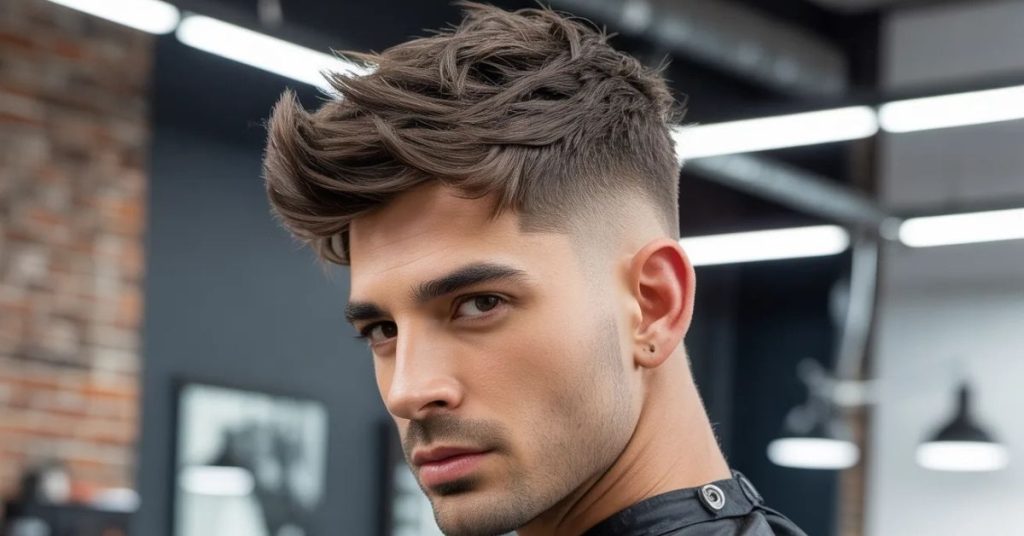
The modern textured crop is not just a haircut, it is a combination of geometry, texture control, and styling direction. The defining feature is the forward-swept top, paired with a clean fade or taper on the sides.
Key Characteristics of a Textured Crop
- Short to medium length on top
- Forward-flowing fringe
- Textured layers instead of blunt lines
- Clean fade or taper on sides
- Matte, natural finish
Textured Crop vs. French Crop
Many people confuse the textured crop with the French crop. While they look similar, the execution differs significantly.
| Feature | Textured Crop | French Crop |
| Texture | High, layered texture | Minimal texture |
| Fringe | Jagged, uneven | Straight, blunt |
| Styling | Messy or natural | Structured |
| Finish | Matte | Slight shine |
| Versatility | High | Moderate |
The French crop vs. textured crop debate comes down to flexibility. The textured crop allows more styling variation, making it ideal for modern trends.
European Crop Fade: Why It’s Trending
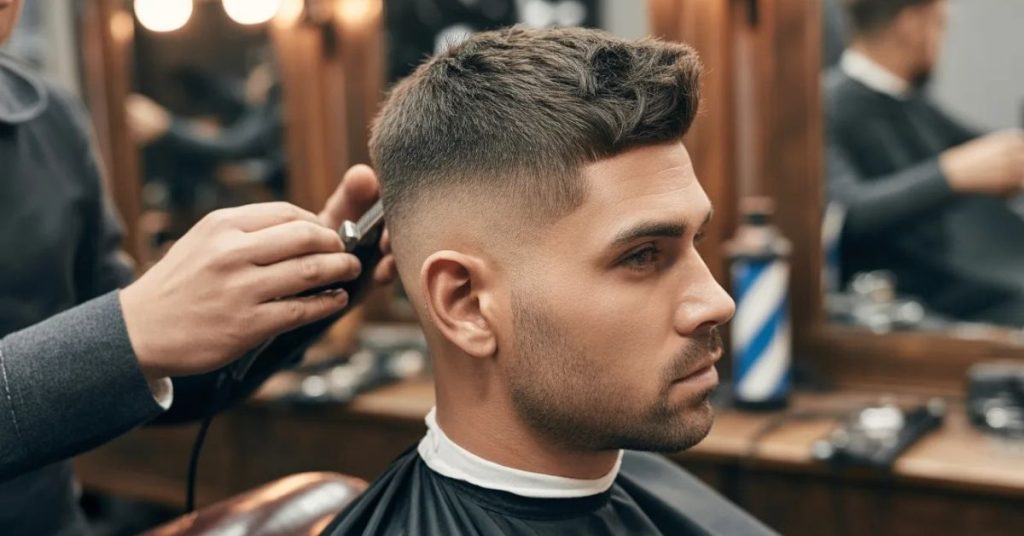
The European crop fade has influenced global barbering standards. This version focuses on natural texture combined with clean fades that enhance facial structure.
Why It Works
- Enhances natural hair movement
- Works on straight and wavy textures (2A–2C)
- Creates a sharp but effortless look
- Requires minimal daily styling
European barbers emphasize precision with softness, avoiding overly harsh lines. This approach gives the haircut a more natural and wearable finish.
Choosing the Right Fade: Low vs. High vs. Taper
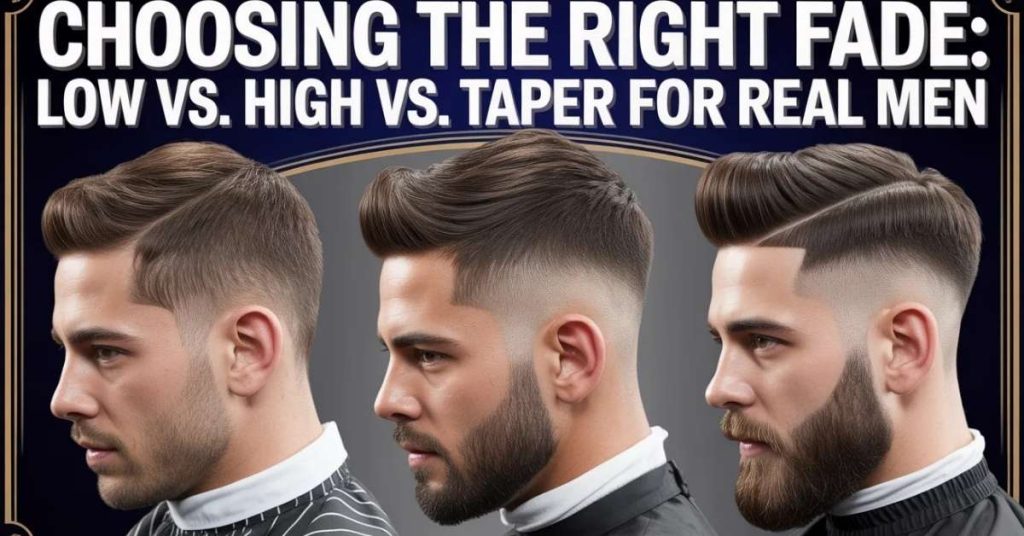
The fade you choose changes the entire look of your textured crop. It affects face shape, contrast, and overall style.
Low Fade Textured Crop
A low fade textured crop offers a subtle and professional appearance. The fade starts just above the ears and blends smoothly into the top.
Best for:
- Office environments
- Oval and long face shapes
- Beginners trying the crop
High Skin Fade Crop Top
The high skin fade crop top creates a bold and edgy look. The fade starts high on the head and removes more weight from the sides.
Best for:
- Thick or coarse hair
- Round face shapes
- High-contrast styles
Taper Fade Option
A taper fade keeps the sides longer and more natural. It is less aggressive than a skin fade.
| Fade Type | Contrast Level | Maintenance | Best Hair Type |
| Low Fade | Low | Moderate | Straight/Wavy |
| High Fade | High | High | Thick/Coarse |
| Taper | Low | Low | All types |
The “Texture Density Map” Methodology (Expert Section)
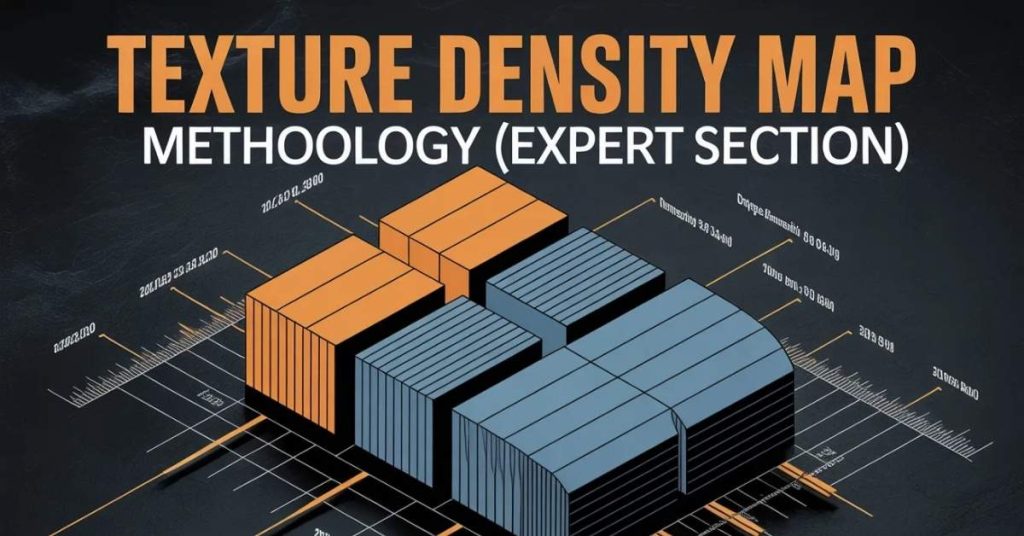
This is where professional barbering becomes technical. The Texture Density Map helps determine how much weight to remove based on hair thickness.
Why It Matters
Every client has a different density profile. Using the same cutting technique on all hair types leads to poor results.
Texture Density Table
| Hair Density | Recommended Cutting Technique | Recommended Product Weight |
| Fine/Thin | Surface point-cutting (1/4 inch) | Lightweight volumizing dust |
| Medium | Mid-shaft texturizing | Matte clay |
| Thick/Coarse | Deep parallel point-cutting (1 inch+) | Heavy-hold fiber |
This method ensures balance between volume, movement, and control.
Professional Techniques: How Your Barber Creates “Hidden” Texture
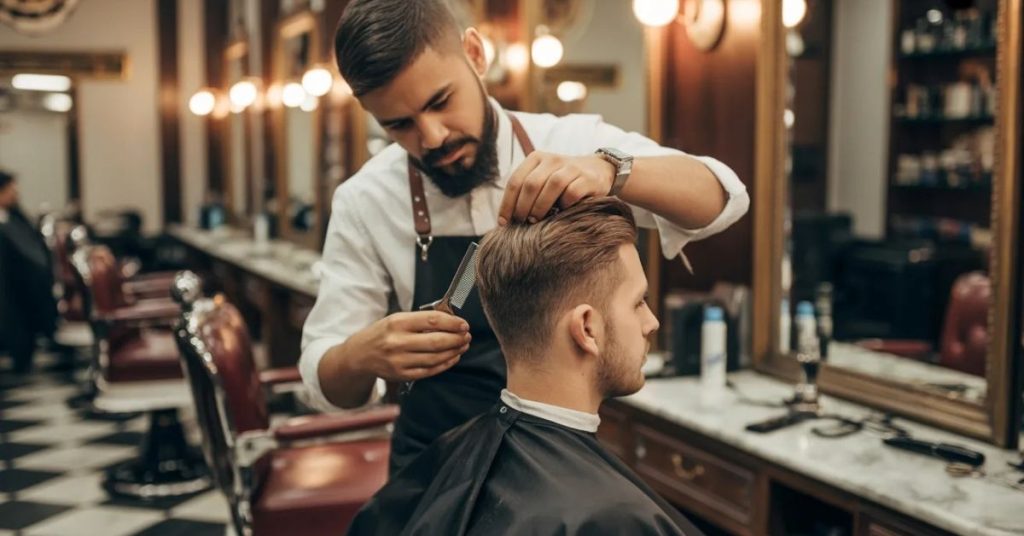
The best textured crops look natural, but they require advanced techniques behind the chair.
Point Cutting vs. Slithering: The Technical Difference
Point Cutting
- Scissors cut into the hair at an angle
- Removes bulk without shortening length drastically
- Creates soft, uneven texture
Slithering
- Scissors slide along the hair shaft
- Removes weight internally
- Adds movement without visible layering
Both techniques help achieve the messy crop top tutorial look without making the haircut appear choppy.
Tools Used by Professionals
Barbers rely on specialized tools to perfect the textured crop:
- Thinning shears – Reduce bulk
- Texturizing shears – Add separation
- Clay pomade – Matte hold and structure
- Sea salt spray – Enhance natural waves
Styling Guide: From Bedhead to Sharp Professional
Styling a textured crop is simple, but technique matters.
Basic Styling Steps
- Start with slightly damp hair
- Apply sea salt spray for texture
- Blow-dry forward using fingers
- Add a small amount of clay pomade
- Twist sections for definition
Messy vs. Clean Styling
| Style Type | Method | Product |
| Messy Crop | Scrunch and twist | Sea salt spray |
| Clean Crop | Comb forward | Matte clay |
| Volume Focus | Blow-dry upward then forward | Volumizing powder |
Hair Type Guide: Does It Work for You?
The textured crop haircut men suit multiple hair types, but adjustments are necessary.
Straight Hair
- Easier to control
- Needs added texture through cutting
2A–2C Wavy Hair
- Ideal for natural movement
- Requires minimal styling
Coarse Hair Management
- Needs aggressive texturizing
- Works best with high fade
Case Study: The 12-Week Growth Lifecycle
Understanding how the haircut evolves builds real-world trust.
Week 1: The Fresh Crop
At this stage:
- Shape is sharp
- Texture is clearly defined
- Fade looks clean
Maintenance Tips:
- Use light product
- Avoid over-washing
- Style daily for best results
Face Shape Geometry Analysis
A textured crop does not suit everyone the same way. Adjustments improve balance.
High Forehead
- Use a longer fringe
- Keep fade low
- Add forward weight
Round Face
- Use a high fade
- Keep top slightly longer
- Add height for elongation
Conclusion
The textured crop haircut men style stands out because it combines precision with flexibility. It works across hair types, adapts to different face shapes, and fits both casual and professional settings. With the right fade, proper cutting techniques, and smart styling, this haircut delivers a modern and effortless look.
In the next part, we will go deeper into:
- Advanced styling variations
- Full 12-week case study continuation
- Product selection system (quiz logic)
- Maintenance routines and scalp health
- Expanded FAQs
FAQs
1. Is the textured crop good for thinning hair?
Yes. A textured crop for thinning hair adds volume and reduces the appearance of flatness through layering.
2. How often should I get a textured crop haircut?
Follow a 4-week maintenance cycle to keep the fade and shape sharp.
3. What is the best product for a textured crop?
Use matte clay or sea salt spray for a natural finish.
4. Can I style a textured crop without heat tools?
Yes. You can air-dry and use lightweight products for a relaxed look.