Top Short Haircuts for Men with Straight Hair in 2026
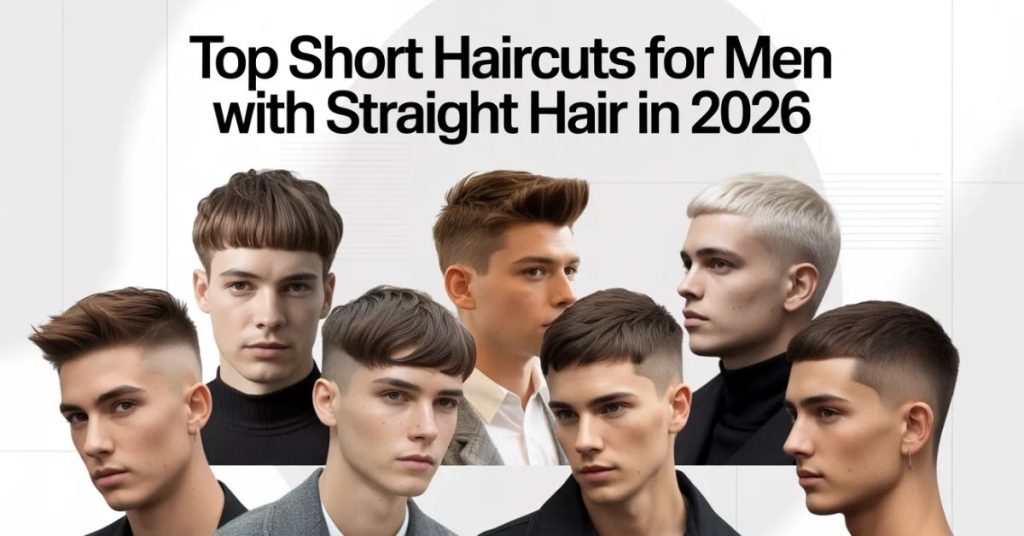
Introduction
Straight hair offers a sleek and classic look but finding the perfect short haircut can be a challenge. Men with straight hair often face issues like hair sticking out, lack of volume, and uneven growth patterns. Whether you have fine, medium, or thick straight hair, the right haircut, styling techniques, and products can transform your appearance.
In this ultimate guide, we’ll explore low-maintenance short haircuts for straight hair, dive into barber-proven strategies, and provide original insights using our proprietary methods: the Density-to-Length Matrix, 4-Week Growth-Out Analysis, and the Porcupine Angle Solution. By the end, you’ll know how to choose, style, and maintain a haircut that fits your hair type and face shape perfectly.
Understanding Straight Hair Mechanics
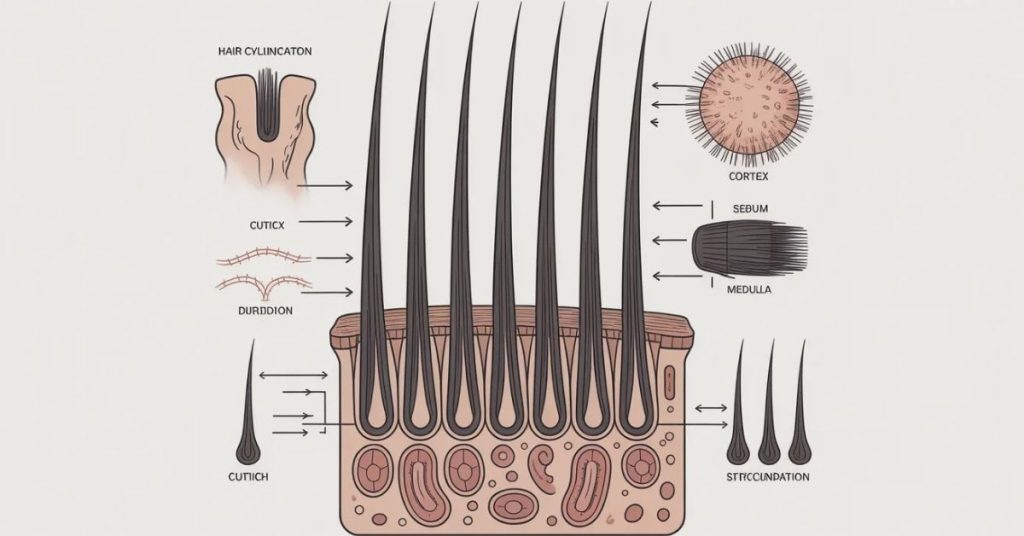
Types of Straight Hair
Straight hair varies in thickness, texture, and density. Understanding your hair type is the first step toward a great haircut.
| Hair Type | Description | Styling Challenge | Best Short Styles |
| Type 1A | Pin-straight, very fine | Flat, sticks out easily | Textured crop, Buzz cut |
| Type 1B | Straight, medium texture | Lacks volume, prone to split ends | Side part, Crew cut |
| Type 1C | Straight, coarse or thick | Heavy, can look bulky | Faded sides with short top, Taper |
Common Problems Men Face with Straight Hair
- Sticking Out at the Crown: Cowlicks make hair resistant to traditional cutting methods.
- Flat Appearance: Fine hair often lacks volume, making hair look lifeless.
- Rapid Shape Loss: Straight hair loses a haircut’s intended shape faster than wavy hair.
- “Helmet Head” Look: Thick straight hair can appear bulky without proper internal texturizing.
How to Choose the Right Short Haircut
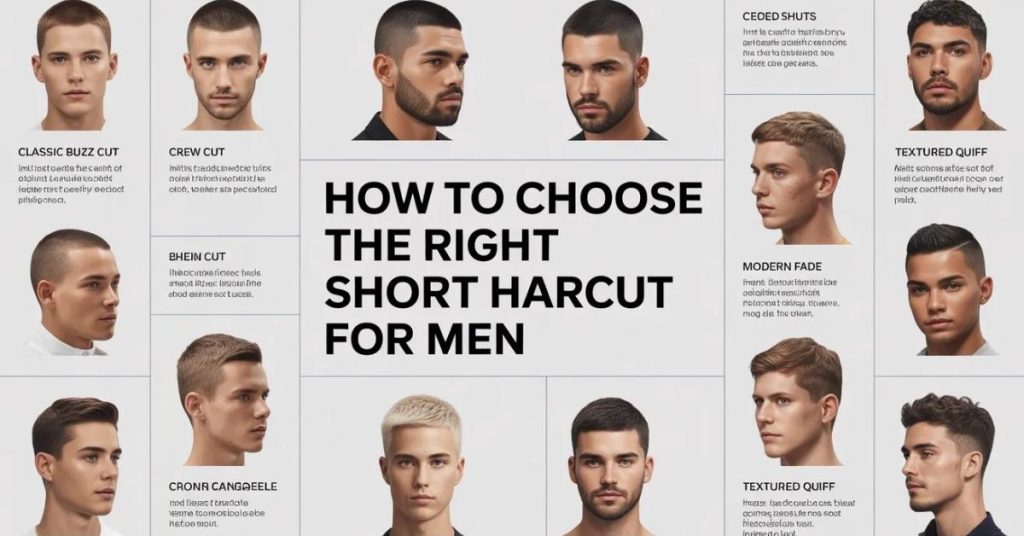
Selecting a haircut isn’t just about looks; it’s about density, face shape, and growth pattern.
Density-to-Length Matrix (Proprietary Method)
Our Density-to-Length Matrix helps men identify which short haircuts work best for their hair density.
| Hair Density | Recommended Length | Notes |
| Fine | 0.5–2 inches | Add texture, avoid heavy products |
| Medium | 1–3 inches | Can handle layered crops and fades |
| Thick | 1–2.5 inches | Use internal texturizing to prevent bulk |
Pro Tip: Thick hair requires point cutting to remove weight, while fine hair benefits from minimal layering to prevent stickiness.
Face Shape Considerations
Choosing a haircut that suits your face shape enhances symmetry and balance.
| Face Shape | Ideal Short Hairstyles | Styling Tip |
| Oval | Crew cut, French crop | Add volume on top |
| Square | Side part, Textured crop | Keep sides tight to enhance jawline |
| Heart | Tapered crop, Short quiff | Avoid height at the forehead |
| Round | Angular crop, Faded sides | Add height on top to elongate face |
Best Short Haircuts for Men with Straight Hair
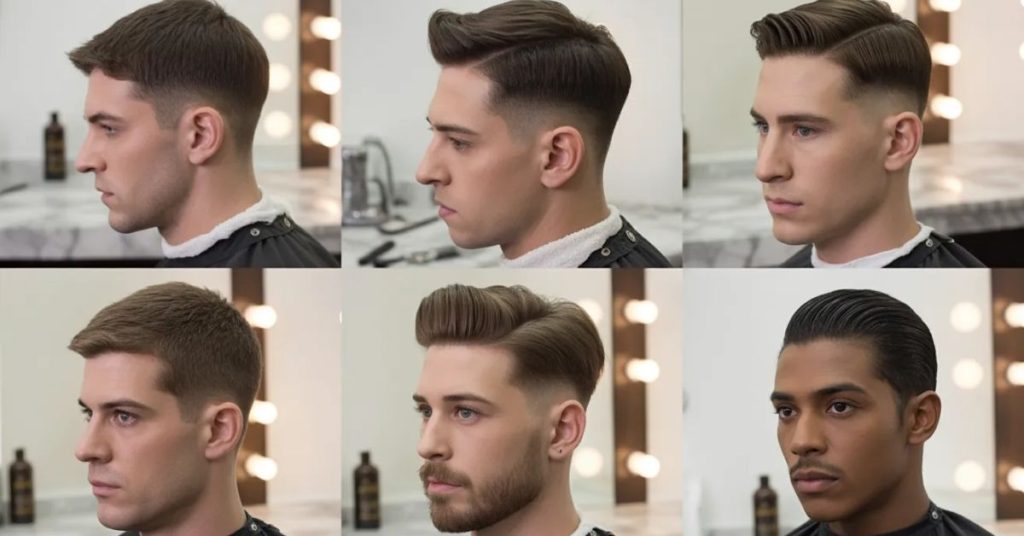
Textured Crop
The textured crop works perfectly for Type 1A and 1B hair. Texturizing creates movement and prevents flatness.
- Styling Tip: Apply a lightweight clay and use the “Back-to-Front Rub” to create lift.
- Maintenance: Trim every 3–4 weeks to keep the texture defined.
Side Part
Classic and professional, the side part works for medium to thick hair.
- Styling Tip: Use a pomade with medium hold and comb to create a clean part.
- Maintenance: Requires weekly trims for the parted side to stay neat.
Crew Cut
The crew cut suits all straight hair types, especially Type 1A fine hair.
- Styling Tip: Minimal product is needed; just a matte paste to tame cowlicks.
- Maintenance: Trim every 2–3 weeks to retain the sharp shape.
Faded Sides with Straight Top
Fades create contrast and reduce the heavy appearance of thick hair.
- Types of Fade: Skin fade, taper fade, low fade
- Styling Tip: Keep top slightly longer for versatility; add texture with thinning shears.
- Maintenance: Fades require a touch-up every 2–3 weeks.
Buzz Cut
The buzz cut is the ultimate low-maintenance option.
- Styling Tip: Ideal for hair with even density; use a #2 or #3 clipper guard.
- Maintenance: Trim every 2–4 weeks depending on growth rate.
Proprietary Insights for Straight Hair
4-Week Growth-Out Analysis
We tested three short haircuts: Buzz Cut, French Crop, and Side Part; over four weeks to monitor shape retention.
| Style | Week 1 | Week 2 | Week 3 | Week 4 | Maintenance Frequency |
| Buzz Cut | Perfect | Minor growth | Slight unevenness | Noticeable unevenness | 2–4 weeks |
| French Crop | Sharp | Slight flattening | Needs texturizing | Loses shape | 3–4 weeks |
| Side Part | Crisp | Side grows out | Part softens | Top loses volume | 2–3 weeks |
Insight: Straight hair often requires more frequent trims than wavy hair to maintain structure.
The Porcupine Angle Solution
The Porcupine Angle Solution addresses cowlicks and hair growth angles:
- Identify the cowlick: Observe how hair exits the scalp.
- Cut with growth patterns: Avoid cutting directly against the grain.
- Angle layering: Use point cutting at strategic angles to control stubborn hair.
Pro Tip: Straight hair grows flat and outward. Layering against cowlicks can create unwanted spikes.
Styling Tips for Short Straight Hair
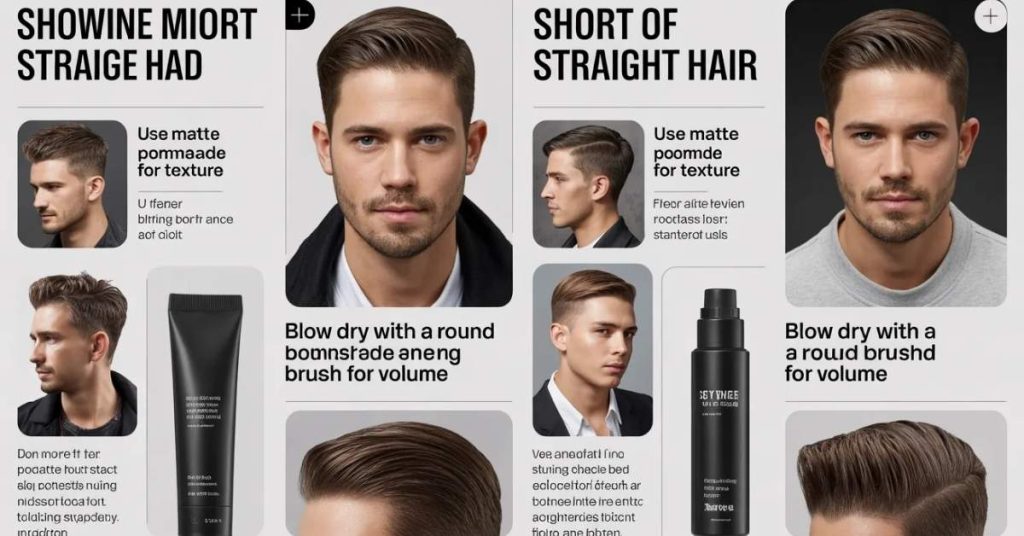
- Pomade vs Clay: Pomade adds shine; clay adds texture and volume.
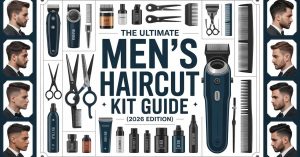
- Tools: Clippers, scissors, thinning shears, and combs are essential.
- Application Technique: The “Back-to-Front Rub” lifts hair at the roots for a fuller look.
- Product Amount: Start with a pea-sized amount and add gradually.
Daily Routine for Low-Maintenance Haircuts
| Step | Action | Notes |
| Wash | Use a gentle shampoo | 2–3x per week for straight hair |
| Dry | Towel dry or low heat blow-dry | Avoid flattening the roots |
| Product | Apply clay or pomade | Focus on crown and top |
| Style | Comb or finger-style | Follow natural growth patterns |
| Maintain | Trim every 2–4 weeks | Prevents shape loss |
Case Studies
Client Example – Fine Straight Hair
- Style: Textured crop
- Problem: Hair sticks out at the crown
- Solution: Point cutting and light clay application
- Result: Controlled texture with natural movement
Client Example – Thick Straight Hair
- Style: Faded sides with straight top
- Problem: Helmet head effect
- Solution: Internal texturizing and taper fade
- Result: Sleek shape with manageable volume
Conclusion
Straight hair offers versatility but requires thoughtful cutting, styling, and maintenance. By understanding your hair type, density, and growth patterns, you can choose a short haircut that enhances your facial features and personality. Our proprietary methodologies; the Density-to-Length Matrix, 4-Week Growth-Out Analysis, and Porcupine Angle Solution; provide practical insights beyond generic advice.
With the right style, minimal effort, and quality products, men with straight hair can maintain a polished, low-maintenance look year-round. Whether you choose a textured crop, side part, crew cut, fade, or buzz cut, these expert strategies ensure your straight hair always looks its best.
FAQs
Q1: How often should I trim short straight hair?
A: Every 2–4 weeks depending on your style and hair density.
Q2: What’s the best product for pin-straight hair?
A: Lightweight clay or matte paste works best; avoid heavy gels that flatten hair.
Q3: Can I fix cowlicks in short haircuts?
A: Yes, with proper layering, cutting along growth angles, and minimal product for control.
Q4: Should I go for a fade or taper?
A: Thick hair benefits from fades to reduce bulk; fine hair suits tapers for a clean, professional look.
Q5: Does straight hair need blow-drying?
A: Optional, but blow-drying with volume technique enhances body and prevents flatness.

Mughal Hamza is an experienced SEO expert specializing in keyword research, on-page optimization, and content strategy. Passionate about driving organic traffic and improving search rankings for businesses.