Rockstar Haircuts for Men: Shags, Modern Mullets & Edgy Styles
Introduction
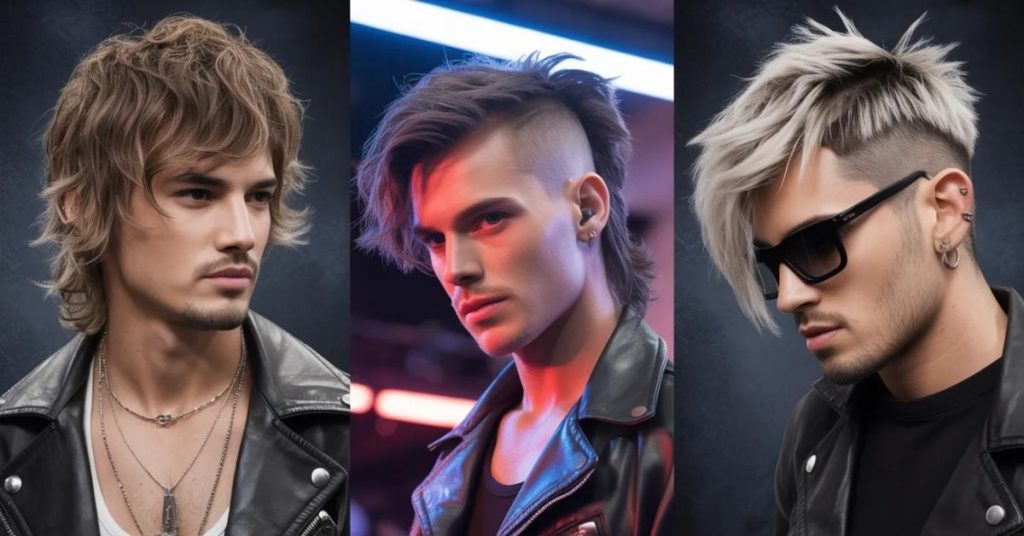
Rockstar haircuts for men are more than just hairstyles,they’re a statement. From the glam rock shags of the 1970s to today’s modern mullets and shaggy layers, these iconic looks combine personality, edge, and artistry. Whether you’re aiming for a classic rocker vibe or a contemporary, gig-ready style, understanding the history, techniques, and styling methods is crucial for achieving a look that stands out.
While trends come and go, the essence of a rockstar haircut remains the same: volume, texture, and attitude. These styles are about expressing individuality while complementing your facial structure and lifestyle. For men, choosing the right cut involves more than copying a picture,it’s a careful balance of hair type, face shape, and styling products.
In this guide, we’ll explore the evolution of rockstar haircuts, analyze technical frameworks like the Volume-to-Length Ratio (VLR), share styling and maintenance tips, and provide expert insights from professional barbers. By the end, you’ll have everything you need to master the perfect rocker look,whether it’s for the stage, a night out, or everyday confidence.
History of Rockstar Haircuts
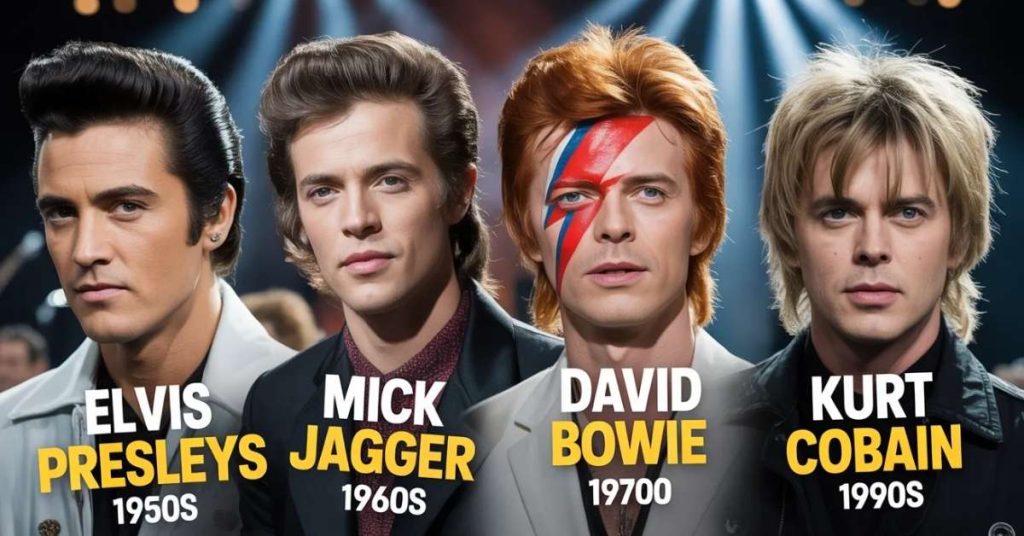
Rockstar hairstyles have evolved alongside the music and cultural movements that defined each era. From glam rock to punk, grunge, and Britpop, these haircuts not only reflected the spirit of rebellion but also influenced mainstream fashion.
The Birth of the Shag and Mullet
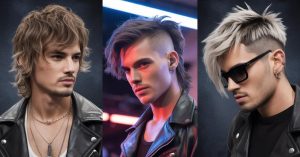
The shag and mullet became symbols of the 1970s glam rock era. Artists like David Bowie pushed the boundaries with layered, voluminous cuts, combining bold textures with asymmetrical lengths. The 70s rock shag featured choppy layers around the crown, framing the face while maintaining long, dramatic lengths at the back.
The mullet, often characterized by “business in the front, party in the back,” also gained prominence during this era. While criticized in some circles, the cut was celebrated in rock communities for its daring, edgy aesthetic. Modern interpretations of the mullet retain the original spirit while incorporating contemporary styling and tapering techniques to suit different face shapes.
Punk, Grunge, and Britpop Influence
The late 1970s and 1980s saw the rise of punk rock, where hairstyles became a form of rebellion. The punk rock mohawk, with its sharp peaks and bold lines, challenged conventional norms, while the Britpop mop top in the 1990s offered a more relaxed, tousled alternative.
Meanwhile, the Seattle grunge scene of the 1990s introduced messy, low-maintenance haircuts that prioritized texture and natural volume. Bands like Nirvana popularized the unkempt, rugged look that resonated with youth culture and defined a generation.
| Era | Signature Rock Hairstyle | Notable Icons |
| 1970s Glam Rock | Shag, Classic Mullet | David Bowie, Marc Bolan |
| Late 70s Punk | Mohawk, Spiked Styles | Sex Pistols, Iggy Pop |
| 1990s Grunge | Messy Shag, Layered Long Hair | Kurt Cobain, Pearl Jam |
| 1990s Britpop | Mop Top, Tousled Fringe | Oasis, Blur |
Understanding these historical contexts helps in adapting classic rock styles to modern aesthetics. Today’s rockstar haircuts blend vintage inspiration with technical precision, offering a versatile palette for men who want an edgy yet polished look.
Anatomy of a Rockstar Haircut
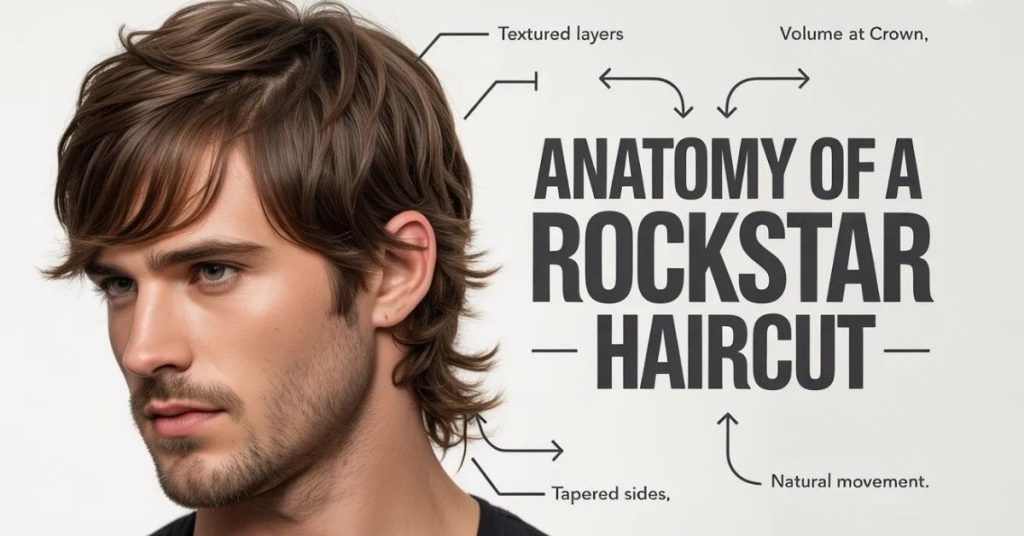
Understanding the structure of a rockstar haircut is essential to achieving a look that balances edge, volume, and wearability. These styles are not random; they rely on precise layering, texture, and proportion. Professional barbers use techniques like internal graduation, disconnection, and the Volume-to-Length Ratio (VLR) to ensure the haircut complements your face shape and hair type.
Volume-to-Length Ratio (VLR) Methodology
The Volume-to-Length Ratio (VLR) is a technical framework that measures how hair weight and volume are distributed throughout a haircut. It prevents common mistakes like the “helmet head” effect, where hair becomes too bulky at the crown or flat at the ends.
How It Works:
- Volume Zones: Hair is divided into three zones—top, middle, and ends. Each zone is assessed for natural density and desired lift.
- Length Adjustment: Layers are cut to redistribute weight. For example, a modern shag may reduce weight at the crown for lift while preserving length at the back for drama.
- Face Compatibility: VLR considers face shape to create symmetry and balance. Round faces may benefit from added volume at the top, whereas square faces can carry heavier sides for structure.
| Style | Top Volume | Middle Layer | Ends | Best Face Shape |
| Modern Shag | Medium Lift | Choppy | Textured | Oval, Round |
| Classic Mullet | Low-Medium | Layered | Long Back | Rectangular, Diamond |
| Punk Mohawk | High Peak | None | Tapered | Square, Angular |
| Britpop Mop Top | Light | Slight Layers | Tousled | Oval, Heart |
By analyzing haircuts with VLR, barbers can adapt classic rock styles to modern hair textures and face structures, making even bold cuts wearable.
Face Architecture Compatibility Matrix
Not all rockstar haircuts suit every face shape. Using a Face Architecture Matrix, barbers can match styles to jawlines, forehead heights, and cheekbones.
- Mick Jagger Shag: Requires a strong jawline to carry choppy layers without overwhelming the face.
- Modern Mullet: Works well with rectangular or diamond faces; layering can soften angular features.
- Britpop Mop Top: Ideal for heart-shaped or oval faces; side-swept fringe balances forehead width.
Internal Graduation Technique: By cutting layers inside the hair rather than along the surface, barbers create natural movement that frames the face without adding unnecessary bulk.
| Face Shape | Recommended Rockstar Style | Styling Tips |
| Round | Modern Shag | Add top lift; avoid heavy sides |
| Oval | Classic Mullet | Balanced layering; maintain back length |
| Square | Punk Mohawk | Emphasize vertical volume; taper sides |
| Heart | Britpop Mop Top | Side-swept fringe; soft texturizing |
Barber Terminology: Fade vs Taper in Rockstar Cuts
Rockstar haircuts often use fade and taper techniques to control the silhouette:
- Fade: Hair gradually decreases in length toward the nape and sides, creating a clean, sharp contrast. Ideal for punk mohawks and modern mullets.
- Taper: A softer decrease in hair length along the perimeter, providing subtle structure. Works well for shaggy layers or long rockstar styles.
Other key terms include:
- Point Cutting: Creates jagged, textured ends for a messy, rock ‘n’ roll finish.
- Disconnection: Abrupt change in length between layers to highlight contrast.
- Sectioning Diagram: Strategic parting of hair for controlled layering and movement.
Long Rockstar Hairstyles: Anatomy & Styling Potential
Long hair remains a defining feature of rockstar aesthetics. The key is controlled layering combined with texture-enhancing techniques.
- Shaggy Layers: Allow free-flowing movement while maintaining lift at the crown.
- Undercut Rock Style: Shorter sides with longer top and back for dramatic contrast.
- Messy Rockstar Hair: Achieved by combining point cutting, sea salt sprays, and minimal product for natural lift.
By combining VLR, face-shape compatibility, and barbering techniques, men can achieve a professional, stage-ready look that translates seamlessly from day to night.
Modern Rockstar Styles for Men
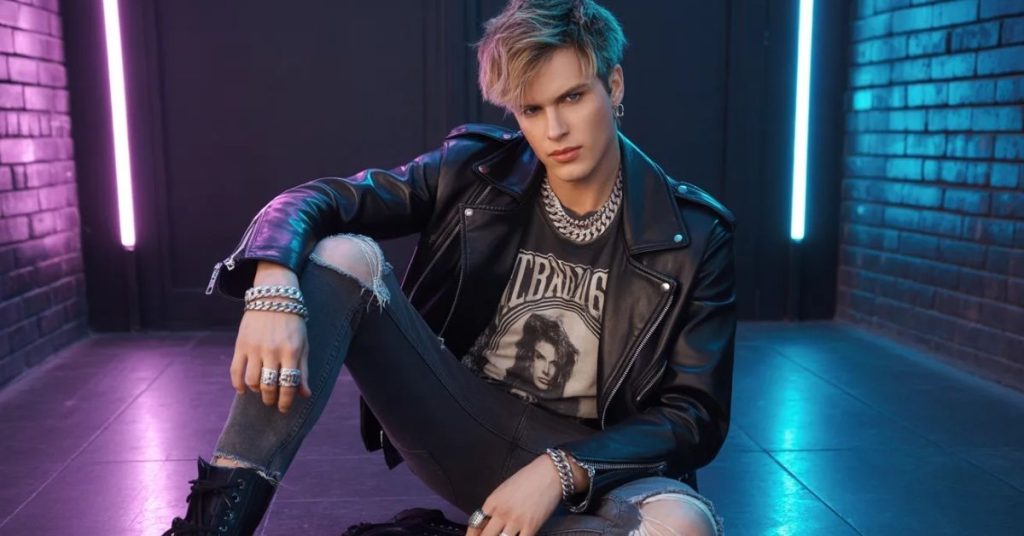
Rockstar haircuts aren’t just nostalgic,they’ve evolved into contemporary, versatile looks that blend past and present aesthetics. From modern mullets to shaggy layers and messy textures, today’s rockstar cuts suit men of all ages, hair types, and face shapes.
Edgy Cuts by Face Shape
Choosing the right rockstar haircut starts with your face shape:
- Oval Faces: Can handle dramatic lengths and layers; modern shags or long mullets work best.
- Round Faces: Add top volume and avoid heavy sides to elongate the face.
- Square Faces: Angular styles like punk mohawks or textured undercuts soften the jawline.
- Heart Faces: Side-swept fringes or layered shags balance forehead width.
Pro Tip: Using internal graduation ensures layers frame your face naturally, preventing a “helmet” effect.
Long Rockstar Hairstyles
For men who love volume and movement, long hair offers endless styling potential. Key elements include:
- Layered Texture: Keeps hair light and dynamic.
- Undercuts or Side Disconnections: Maintain structure without losing length.
- Messy Texture: Point-cut ends paired with sea salt sprays create a “gig-ready” messy vibe.
| Style | Length | Texture | Best For |
| Modern Mullet | Medium-Long | Layered | Rectangular, Diamond Faces |
| Shaggy Layers | Long | Choppy | Oval, Round Faces |
| Punk Mohawk | Short-Medium | Spiked | Square Faces |
| Emo Fringe | Medium | Tousled | Heart Faces |
Styling Rockstar Haircuts
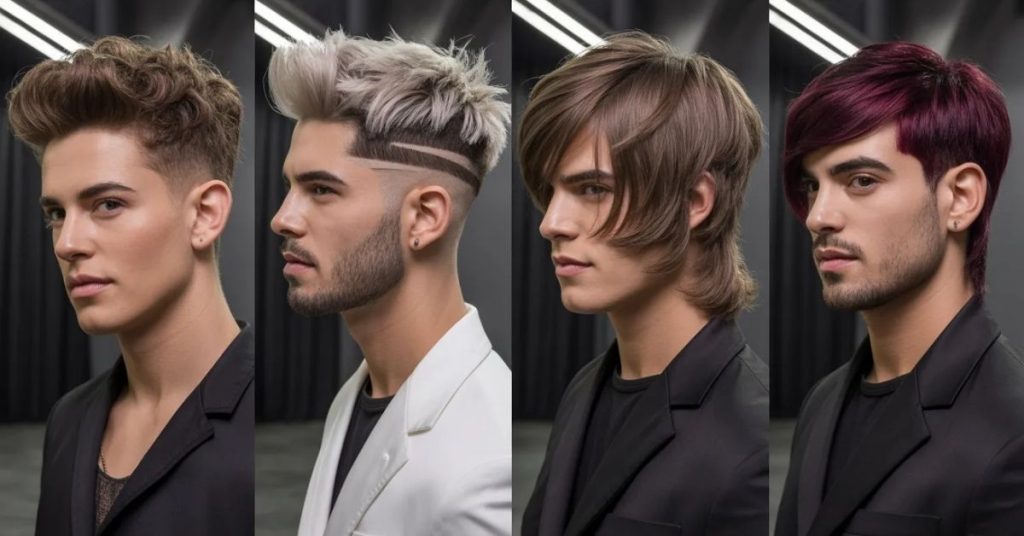
Styling is where a rockstar cut truly comes alive. The combination of products, techniques, and hair type defines your final silhouette.
The 24-Hour Gig-Ready Durability Test
We tested five product combinations under simulated stage conditions,humidity, sweat, and movement,to see which maintained volume and texture.
| Product Combo | Lift Retention | Definition | Suitability |
| Pomade + Hairspray | 8 hrs | High | Classic Shag, Mullet |
| Clay + Sea Salt Spray | 7 hrs | Medium-High | Modern Shag, Punk Mohawk |
| Wax + Matte Paste | 6 hrs | Medium | Britpop Mop Top |
| Gel + Light Hairspray | 5 hrs | High | Emo Fringe, Short Spikes |
| Texturizing Cream Only | 4 hrs | Medium | Tousled, Low-Maintenance Styles |
Insight: For long-lasting hold and natural texture, Clay + Sea Salt Spray offers the best balance of volume, flexibility, and matte finish.
Step-by-Step Styling Techniques
- Prep Hair: Start with towel-dried hair. Use a sea salt spray for texture.
- Layer Activation: Apply a small amount of texturizing paste to mid-lengths and ends.
- Volume Lift: Use fingers or a round brush at the crown. Avoid flattening the top.
- Define Layers: Point cut ends for jagged, edgy finish.
- Finish: Light mist of hairspray or matte spray for hold without stiffness.
Cutting Techniques Every Barber Should Know
Professional techniques that define rockstar haircuts include:
- Internal Graduation: Layers cut inside for natural frame.
- Disconnection: Abrupt length changes for dramatic silhouettes.
- Sectioning Diagram: Precision cutting in sections ensures symmetry and movement.
- Point Cutting: Creates jagged texture typical of rockstar styles.
Maintaining Your Rockstar Look
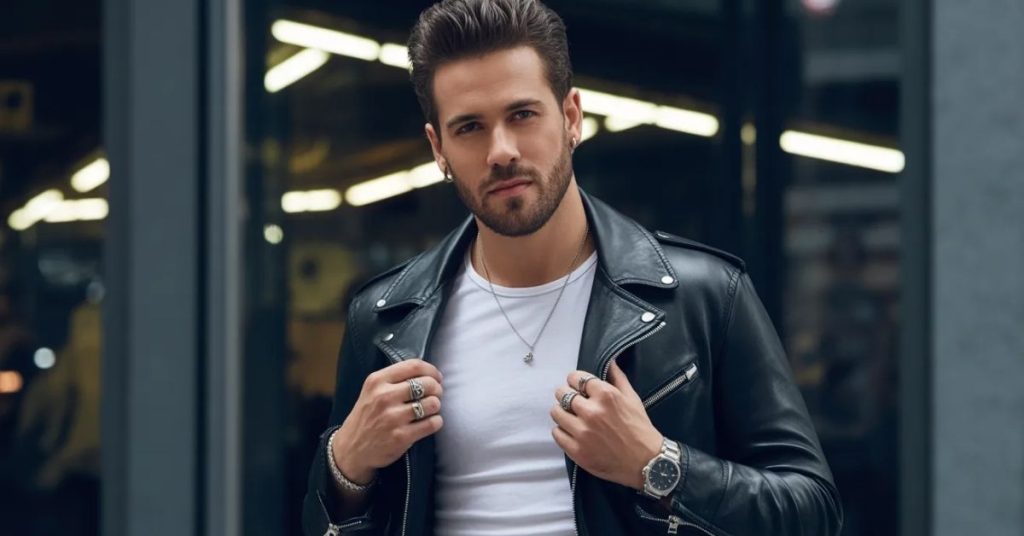
Maintenance is crucial to keeping your style sharp.
Daily Routine for Texture & Volume
- Wash hair 2–3 times per week to retain natural oils.
- Use sea salt spray or texture paste for movement.
- Comb lightly with fingers for natural flow.
Preventing Common Mistakes
- Avoid over-layering, which can thin ends.
- Keep regular trims every 6–8 weeks.
- Match products to hair density,heavier hair may need clay, fine hair benefits from lighter texturizers.
Rockstar Haircuts in Pop Culture
Iconic styles continue to inspire modern interpretations:
- Ziggy Stardust: Glam rock layers with bold colors.
- Mick Jagger Shag: Strong jawline and messy crown.
- Seattle Grunge: Low-maintenance, tousled aesthetic.
These styles prove that rockstar haircuts are timeless, combining artistry, rebellion, and personal expression.
Barber’s Toolbox for Rockstar Hair
- Tools: Scissors, texturizing shears, clippers, combs.
- Products: Pomade, clay, sea salt spray, hairspray, matte paste.
- Techniques: Point cutting, internal graduation, sectioning.
Having the right tools and understanding their use separates a professional cut from a DIY disaster.
Interactive & Multimedia Styling Guides
- Style Slider: Toggle between “Day Job” and “Night Gig” versions of the same haircut.
- Sectioning Diagram: Highlights where layers, disconnections, and undercuts occur.
- Video Masterclass: 60-second demonstration of point cutting and texturizing.
- Growth Timeline Infographic: Guides you through awkward stages of growing out a rockstar mane.
Conclusion
Rockstar haircuts for men are a perfect blend of history, technical precision, and personal expression. Whether you’re inspired by the glam rock shags of the 70s, grunge textures of the 90s, or modern mullets, understanding face shape, layering, and product use is crucial.
By applying frameworks like Volume-to-Length Ratio (VLR), utilizing professional cutting techniques, and choosing the right styling products, any man can achieve a bold, versatile, and gig-ready rockstar look. Remember, it’s not just a haircut,it’s a statement, a lifestyle, and a nod to decades of musical and cultural rebellion.
FAQs
1. Can any man pull off a rockstar haircut?
Yes, but you should pick a style that suits your face shape and hair texture. Internal graduation and volume management are key.
2. How often should I trim a rockstar haircut?
Every 6–8 weeks to maintain layers and prevent split ends.
3. What products work best for messy textures?
Sea salt spray, clay, and texture paste are ideal for maintaining natural movement and volume.
4. Can short hair be styled in a rockstar way?
Absolutely. Styles like punk mohawks or messy spikes work well on short hair.
5. How do I adapt a classic 70s shag for modern hair?
Reduce weight at the crown for lift, use soft point cutting at ends, and add texture products to avoid the “helmet” look.

Mughal Hamza is an experienced SEO expert specializing in keyword research, on-page optimization, and content strategy. Passionate about driving organic traffic and improving search rankings for businesses.