Bald Fade Haircut Men: Modern Styles, Tips & Maintenance Guide
Introduction
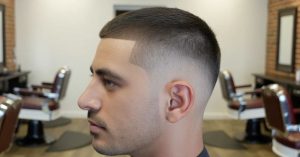
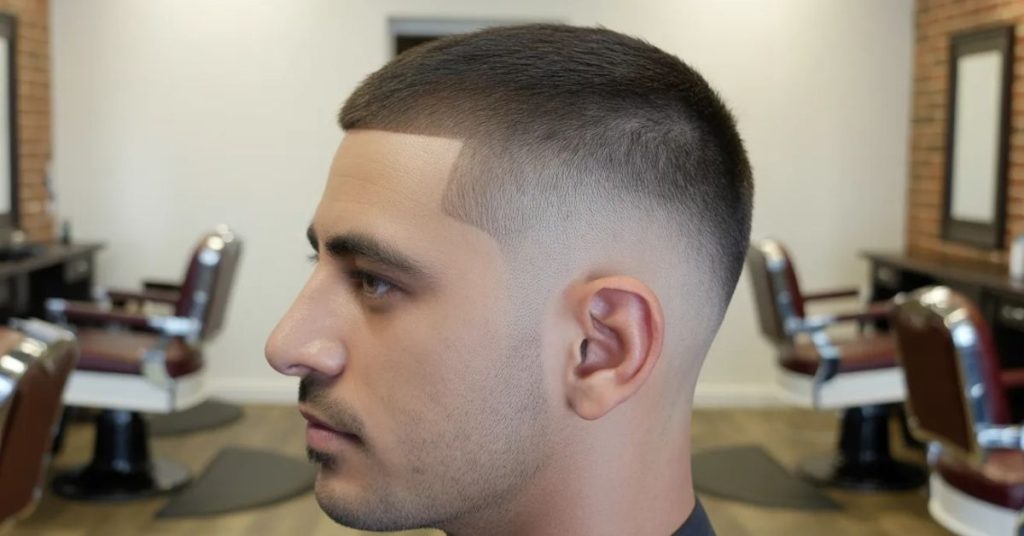
The bald fade haircut men choose today has become one of the most iconic and requested styles in modern barbering. Known for its ultra-clean transition from skin to longer hair, the bald fade delivers a polished and sharp appearance that works for nearly every hair type and personal style. Whether paired with a beard, long hair on top, or a textured crop, this haircut continues to dominate barbershops worldwide.
What makes the bald fade unique is the level of technical skill required to achieve the seamless gradient. Unlike basic tapers or traditional fades, a bald fade removes the hair down to the skin at the base before gradually blending upward. This technique creates a crisp contrast that highlights facial structure, hairstyle design, and beard shape.
In this expert guide, we’ll explore everything you need to know about the bald fade haircut. From skin fade vs bald fade comparisons to tools used by professional barbers, maintenance tips, and face shape selection methods, this article will help you understand why this haircut remains one of the most versatile grooming choices for men.
The Anatomy of a Bald Fade Haircut
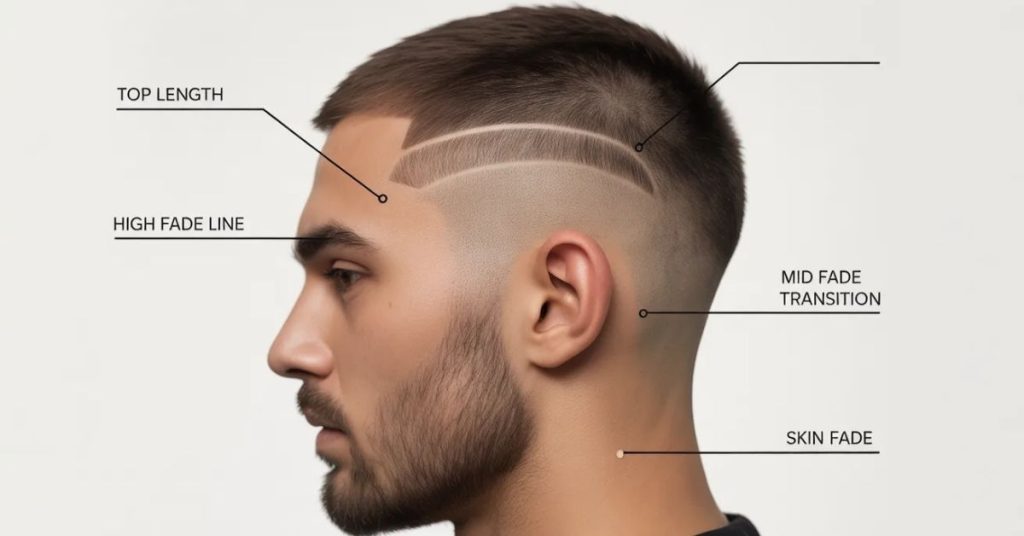
Understanding the structure of a bald fade helps explain why it looks so clean and precise. Every professional barber builds the fade using three core zones.
The Three Zones of a Perfect Fade
| Zone | Description | Purpose |
| Bald Zone | Hair shaved down to skin using a foil shaver or razor | Creates the clean base |
| Transition Zone | Gradual blend between skin and longer hair | Produces smooth gradient |
| Weight Line | The darkest line where longer hair sits | Defines the style structure |
A flawless bald fade depends on how well the barber blends these zones together.
Bald Zone
The bald zone sits closest to the neckline and ears. Barbers typically remove all hair here using foil shavers or straight edge razors to create a completely smooth base.
Transition Zone
The transition zone forms the heart of the fade. Barbers use multiple clipper guards and blending techniques to remove the visible line between the bald area and longer hair.
Weight Line
The weight line marks the upper boundary of the fade. Above this line, the hair remains longer and forms the main hairstyle.
Skin Fade vs Bald Fade: What’s the Difference?
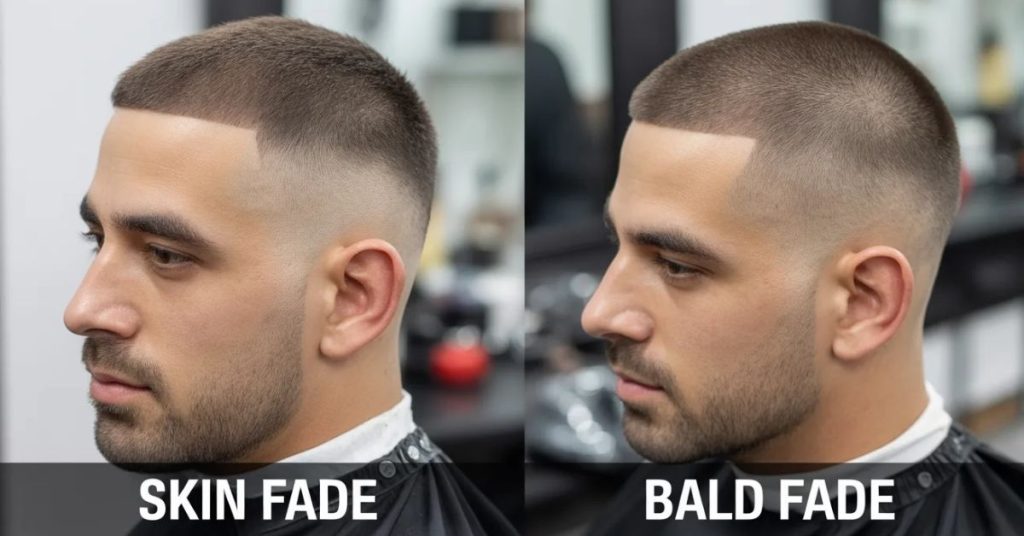
Many people confuse a skin fade with a bald fade, but there are subtle technical differences between the two.
Key Differences Explained
| Feature | Skin Fade | Bald Fade |
| Bottom length | Extremely short | Completely shaved |
| Tools used | Clippers without guard | Foil shaver or razor |
| Finish | Slight shadow remains | Smooth skin finish |
| Maintenance | Moderate | Requires frequent touch-ups |
In practice, many barbers often use these terms interchangeably. However, technically speaking, a true bald fade goes fully to skin.
High Bald Fade vs Low Bald Fade
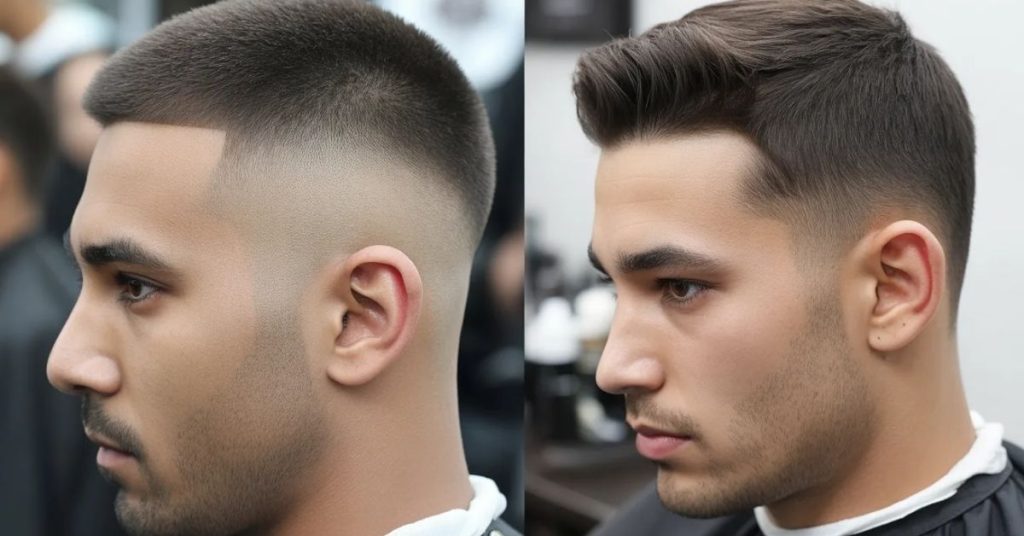
The height of the fade dramatically changes the overall look of the haircut.
Low Bald Fade
A low bald fade begins just above the ears and gradually blends upward.
Why People Choose It
- More conservative appearance
- Professional workplace friendly
- Works well with longer hairstyles
Low fades maintain more weight on the sides, making them ideal for men who want a subtle transition rather than a dramatic contrast.
Mid Bald Fade
A mid bald fade begins around the temple area and offers a balanced look.
Benefits of a Mid Fade
- Versatile styling
- Works for most face shapes
- Balanced contrast
Many barbers consider the mid bald fade the most adaptable option because it fits both casual and professional styles.
High Bald Fade
The high bald fade starts near the top corners of the head and removes most side hair.
Characteristics
- Dramatic contrast
- Modern aesthetic
- Highlights the hairstyle on top
High fades pair well with textured crops, pompadours, and curly tops.
Popular Bald Fade Styles for Men
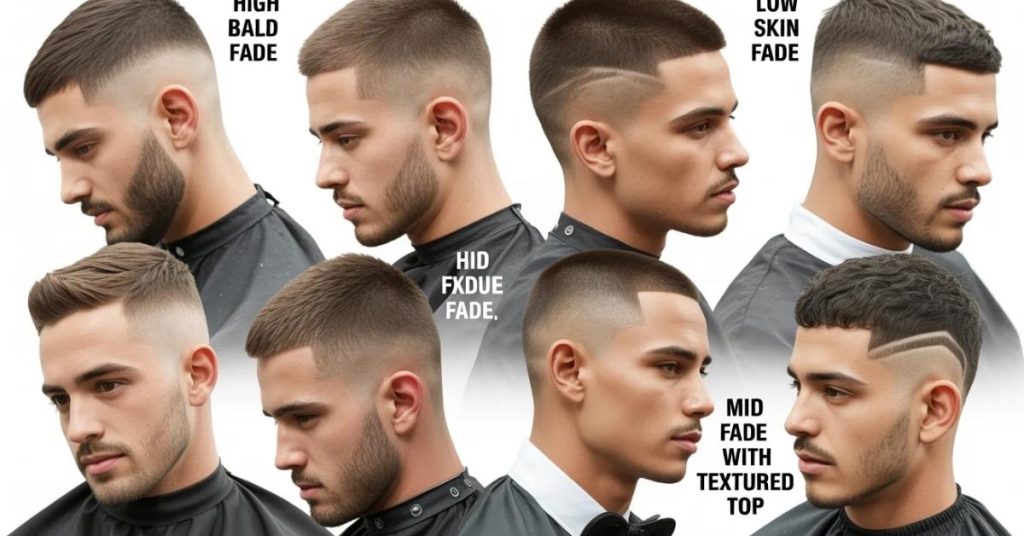
The bald fade can adapt to many haircut variations.
Bald Fade with Long Hair on Top
One of the most requested styles is the bald fade with long hair on top.
Why It Works
- Creates dramatic contrast
- Adds styling versatility
- Highlights hair texture
Common top styles include:
- Pompadour
- Quiff
- Slick back
- Textured fringe
Bald Fade with Beard
Pairing a fade with facial hair creates a balanced grooming style.
Beard Fade Blending
Barbers often taper the beard using the same fade technique.
| Beard Style | Best Fade Height |
| Short boxed beard | Low fade |
| Full beard | Mid fade |
| Stubble beard | High fade |
The goal is to blend the haircut seamlessly into the beard line.
Tapered Bald Fade
A tapered bald fade softens the fade around the neckline and sideburns while keeping length on the sides.
This style offers a clean yet subtle look, perfect for men who want a fade without removing too much side hair.
Essential Tools for Creating a Bald Fade
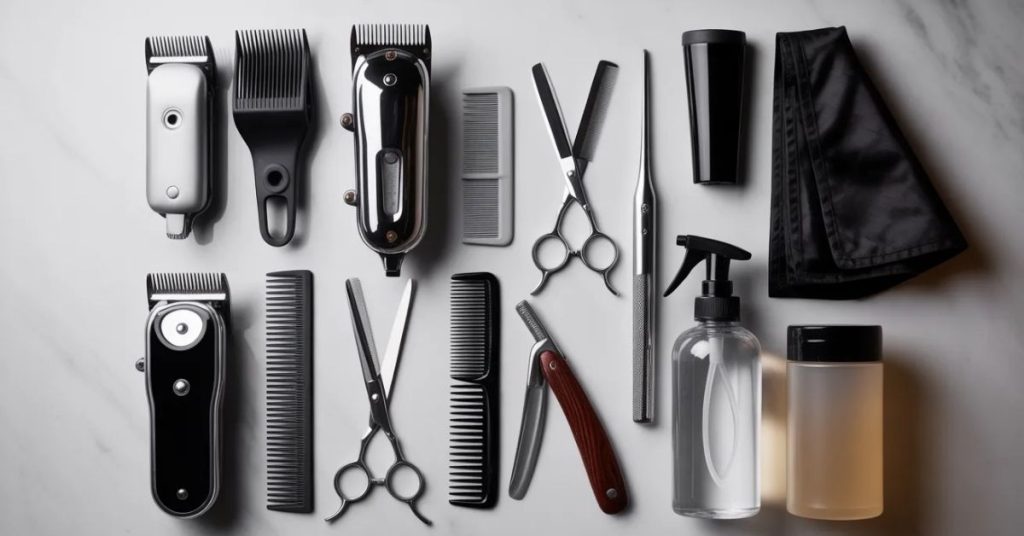
Professional barbers rely on specialized tools to create a perfect fade.
Clippers
Clippers are the backbone of every fade haircut.
Popular professional brands include:
- Wahl
- Andis
- BabylissPro
Guard Sizes Used
| Guard Number | Hair Length |
| 0 | Almost skin |
| 0.5 | Very short |
| 1 | Short |
| 2 | Medium short |
Barbers often switch between guards to build the fade gradient.
Foil Shavers
Foil shavers create the smooth skin-level finish at the base of the fade.
Benefits
- Extremely smooth result
- Less risk of cuts
- Fast shaving
Straight Edge Razors
Some barbers prefer straight razors for maximum precision.
Advantages
- Sharp detailing
- Ultra clean finish
- Crisp lineup edges
However, they require more skill and can irritate sensitive skin.
Professional Fade Techniques Barbers Use
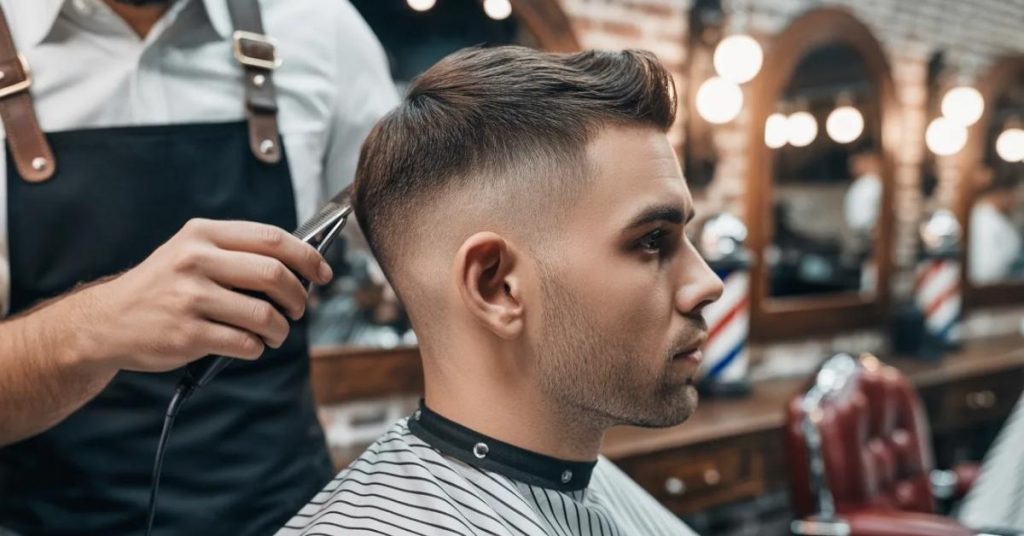
A great bald fade requires more than good tools. It requires technical mastery.
The C-Stroke Motion
The C-stroke motion is one of the most important blending techniques.
How It Works
Barbers move the clipper in a curved motion resembling the letter C. This motion softly removes hair while avoiding harsh lines.
Benefits include:
- Smooth blending
- Natural gradient
- Less visible lines
Debulking the Hair
Debulking removes heavy hair before fading begins.
Barbers typically use a #2 or #3 guard to reduce bulk before detailing the fade.
Lineup Detailing
The final stage involves shaping the hairline and edges.
Common lineup areas include:
- Forehead
- Temples
- Sideburns
- Beard line
Clean edges complete the haircut and enhance the overall appearance.
The Fade Longevity Case Study
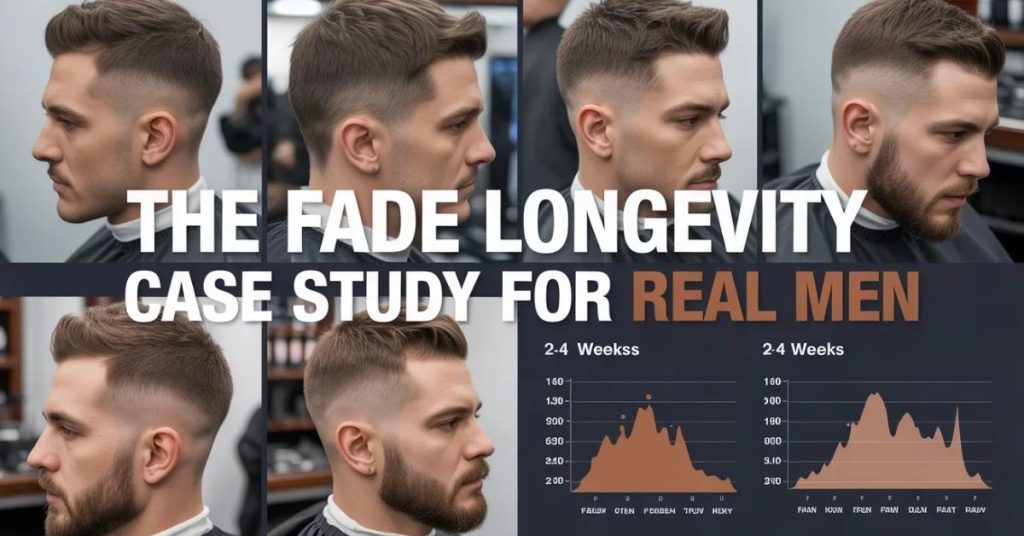
One common question clients ask is:
“How long does a bald fade last?”
To answer this, we analyzed the growth of a bald fade across three hair types.
4-Week Growth Timeline
| Week | Straight Hair | Wavy Hair | Coily Hair |
| Week 1 | Very sharp | Sharp | Sharp |
| Week 2 | Slight shadow | Slight shadow | Still crisp |
| Week 3 | Visible transition | Moderate blur | Mild blur |
| Week 4 | Fade mostly gone | Fade fading | Still somewhat defined |
Sharpness Degradation Scale
| Hair Type | Week 1 | Week 2 | Week 3 | Week 4 |
| Straight | 10 | 8 | 6 | 4 |
| Wavy | 10 | 8 | 7 | 5 |
| Coily | 10 | 9 | 8 | 6 |
This shows that coily hair retains fade definition longer because curls hide the transition.
Face Shape Geometry: Choosing the Right Fade
Selecting the correct fade height depends heavily on cranial structure and face shape.
The Three-Point Rule
Professional barbers use three anatomical landmarks.
- Occipital Bone
- Temple
- Jawline
These points determine how high the fade should start.
Face Shape Fade Matrix
| Face Shape | Recommended Fade |
| Round | High bald fade |
| Square | Mid fade |
| Oval | Low or mid fade |
| Diamond | Low fade |
This method ensures the fade enhances facial balance.
Bald Fade for Receding Hairlines
Men with receding hairlines can still wear fades effectively.
Best styles include:
- Mid bald fade
- Textured crop with fade
- Short pompadour fade
The fade draws attention away from the hairline and toward the hairstyle.
Best Products for Bald Fade Scalp Care
Because the scalp becomes exposed, proper care is essential.
Recommended Products
| Product Type | Purpose |
| Scalp moisturizer | Prevent dryness |
| Aftershave balm | Reduce irritation |
| SPF sunscreen | Protect scalp |
| Beard oil | Maintain beard blend |
Healthy skin ensures the fade looks sharp and feels comfortable.
Bald Fade Maintenance Tips
Maintaining a bald fade requires regular grooming.
Recommended Schedule
| Maintenance Task | Frequency |
| Barber visit | Every 2–3 weeks |
| Neck cleanup | Weekly |
| Scalp moisturizing | Daily |
Consistent upkeep keeps the fade looking fresh and defined.
Conclusion
The bald fade haircut men continue to choose remains one of the most versatile and stylish grooming options available today. Its clean skin-to-hair transition creates a polished look that works for nearly every face shape, hair type, and personal style.
From low and mid fades to dramatic high bald fades, the versatility of this haircut allows endless customization. When paired with professional techniques like C-stroke blending, debulking, and lineup detailing, the result is a sharp and modern appearance that stands out in any setting.
Maintaining a bald fade requires proper scalp care and regular barber visits, but the effort pays off with a consistently clean and confident look. Whether you prefer a fade with long hair on top, a beard blend, or a tapered finish, the bald fade continues to define modern men’s grooming.
FAQs
What is the difference between a fade and a bald fade?
A regular fade gradually shortens hair but does not reach the skin. A bald fade removes hair completely at the base.
How long does a bald fade last?
Most bald fades stay sharp for 2–3 weeks, depending on hair growth.
Does a bald fade damage the scalp?
No. When performed correctly with clean tools and proper aftercare, it is safe.
Is a bald fade good for thin hair?
Yes. The fade creates contrast that makes the top hair appear thicker.
Can you do a bald fade at home?
It is possible but difficult. Achieving smooth blends requires professional experience.

Mughal Hamza is an experienced SEO expert specializing in keyword research, on-page optimization, and content strategy. Passionate about driving organic traffic and improving search rankings for businesses.