1910s Men’s Hairstyles: Complete Edwardian Grooming Guide
Introduction
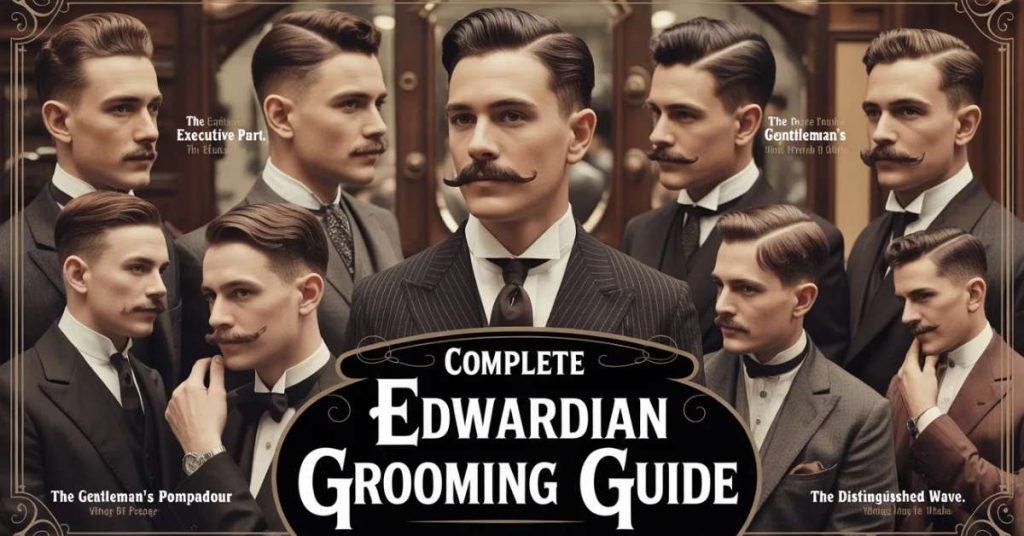
The fascination with 1910s men’s hairstyles goes far beyond nostalgia. This decade marked a turning point in men’s grooming, blending Victorian formality with early modern practicality. During the Edwardian era, men embraced cleaner silhouettes, controlled volume, and precise barbering techniques that still influence modern haircuts today.
Unlike later decades, the Edwardian era men’s haircut relied entirely on scissors, combs, and razors; no electric clippers, no fades, and no shortcuts. Barbers shaped hair to grow gracefully between monthly visits, using weight distribution rather than aggressive tapering. Understanding these methods reveals why early 20th-century men’s grooming emphasized longevity, structure, and polish.
This guide moves from broad historical context to technical breakdowns, case studies, and ingredient analysis; building topical authority around the full neighborhood of this subject.
The Foundations of Early 20th-Century Men’s Grooming
Barbershop Culture (1910–1919)
Between 1910 and 1919, the barbershop served as both a grooming center and a social institution. Men visited once every three to four weeks, expecting a haircut that aged well. Because daily home styling mattered, barbers shaped hair to respond predictably to brushing, pomade, and natural oil production.
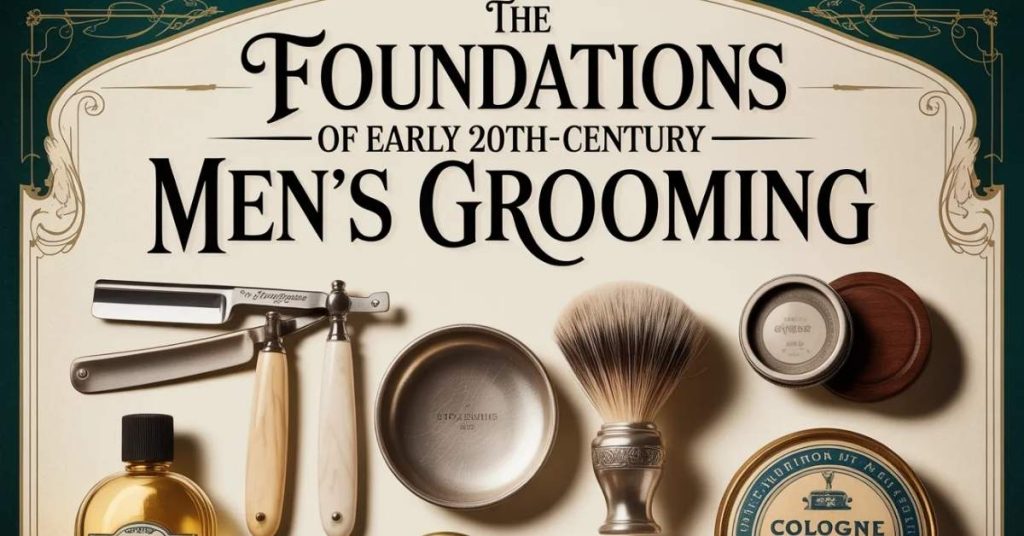
Straight razors lined the counters, detachable collars framed the neck, and tonic bottles promised scalp health. This era also saw the rise of branded grooming tools like the Gillette Safety Razor (1901), which reshaped men’s personal hygiene habits.
Popular 1910s Men’s Hairstyles
Most styles shared a few defining traits: clean necklines, natural tapering, and moderate shine. Common looks included:
- Classic side part with crown weight
- Low pompadour with restrained height
- Short back and sides with a full top
- Early undercut variations (pre-WW1)
These hairstyles balanced elegance with discipline, reflecting social expectations of the time.
The “Shear-Over-Comb” Audit: A Technical Breakdown
Why Shear-Over-Comb Defined the Era
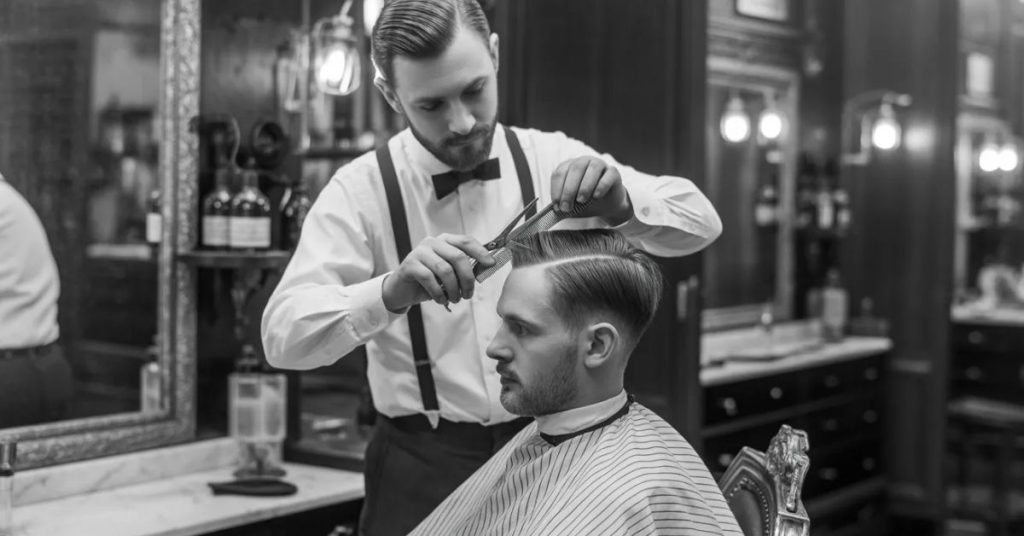
Barbers in the 1910s relied heavily on shear-over-comb techniques. This method allowed precise control over bulk while preserving length where the head naturally needed weight. Unlike modern clipper fades, shear-over-comb produced soft transitions that grew out evenly.
Electric clippers did not become common until the 1920s, making this technique essential for all professional cuts.
Modern Fade vs. 1910s Taper (Side-by-Side Comparison)
| Feature | Modern Fade | 1910s Taper |
| Tools Used | Clippers + guards | Shears + comb |
| Transition | Skin to length | Gradual weight shift |
| Maintenance | Weekly | Monthly |
| Crown Weight | Reduced | Preserved |
| Visual Effect | High contrast | Soft silhouette |
The 1910s taper avoided sharp demarcations. Barbers intentionally left weight at the parietal ridge to prevent collapse as hair grew.
Growth Chart: Monthly Maintenance Strategy
Men in the 1910s structured haircuts around growth patterns rather than trends.
| Week | Hair Behavior | Barber Strategy |
| Week 1 | Crisp outline | Light taper |
| Week 2 | Volume settles | Crown weight holds |
| Week 3 | Shape relaxes | Side part remains defined |
| Week 4 | Natural fullness | Ready for refresh |
This explains why Edwardian cuts appear fuller in photographs; they were designed to age gracefully.
Case Study: Restoring the “Lost” 1914 Military Undercut
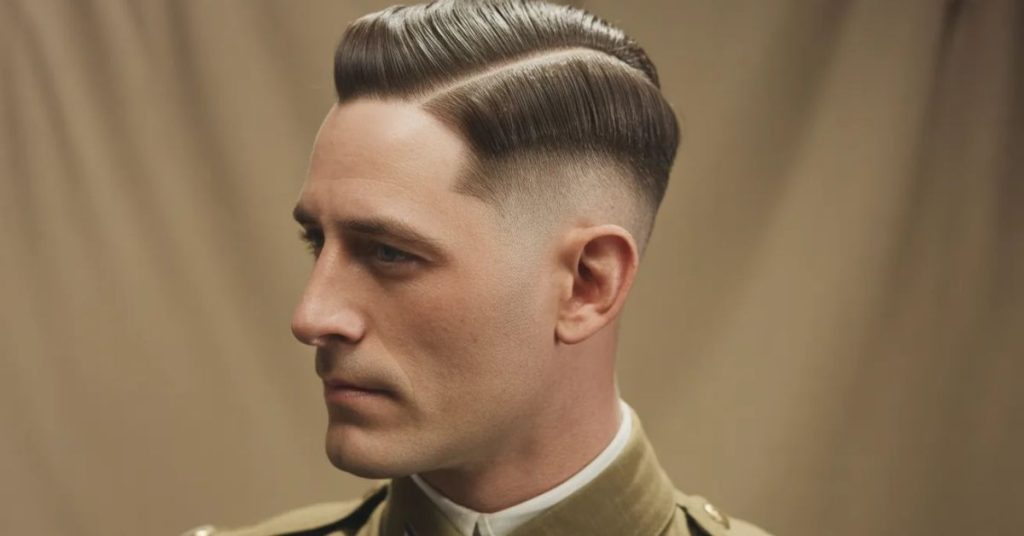
The Trench Photograph That Changed Assumptions
A 1914 trench photograph reveals a misunderstood haircut worn by early WW1 soldiers. Many assume these styles resemble modern high-and-tight cuts, but historical evidence shows a very different approach.
The sides appear short, yet the top remains disconnected; not blended; to accommodate military caps and helmets.
Why the Modern High-and-Tight Is Historically Inaccurate
Modern interpretations remove too much bulk, especially near the crown. In contrast, the WW1 soldier haircut styles featured:
- Short sides cut with scissors
- A visible disconnect below the crown
- Length retained on top for combing
- Minimal taper at the nape
This design allowed soldiers to maintain their look with limited access to barbers.
Recreation Methodology
To recreate the 1914 military undercut accurately:
- Section the top cleanly at the parietal ridge
- Cut sides with shear-over-comb only
- Preserve crown weight
- Finish with razor-clean necklines
This method restores authenticity without modern distortion.
The Ingredients Lab: Inside 1910s Hair Tonics and Pomades
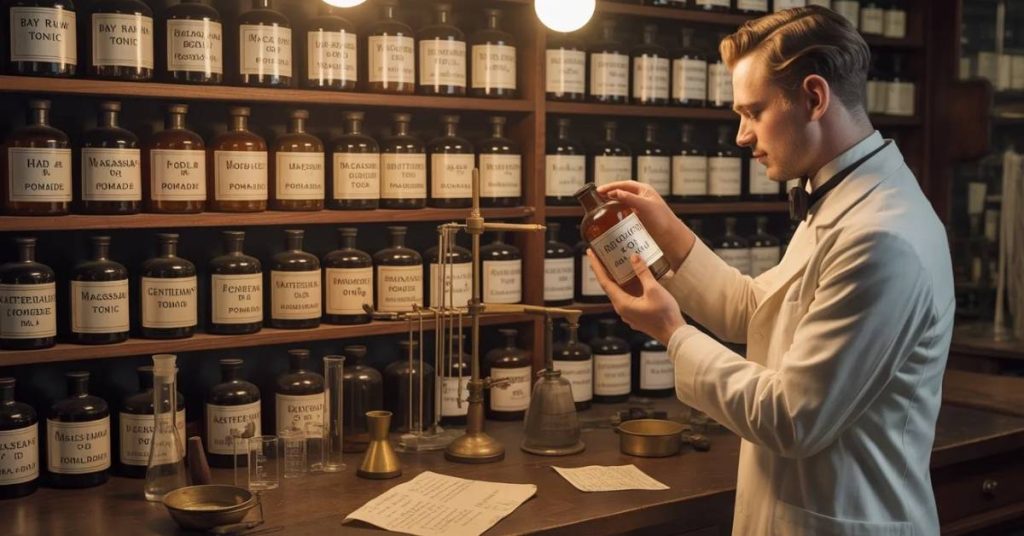
What Men Used in the Edwardian Era
Hair products in the 1910s prioritized shine and scalp health. Advertisements promoted tonics infused with natural extracts rather than synthetic polymers.
Common ingredients included:
- Bay Rum
- Quinine
- Vegetable oils
- Animal fats
- Alcohol-based carriers
These formulas created the signature heavy-shine, low-volume appearance seen in portraits.
Pomade Ingredients: Then vs. Now
| 1910s Ingredient | Purpose | Modern Equivalent |
| Animal fats | Hold & shine | Beeswax |
| Bay Rum | Fragrance & tonic | Bay essential oil |
| Quinine | Scalp stimulation | Caffeine extract |
| Vegetable oils | Moisture | Jojoba oil |
Modern products replicate the look without toxic additives once found in early formulations.
How to Style a 1910s Pompadour Today
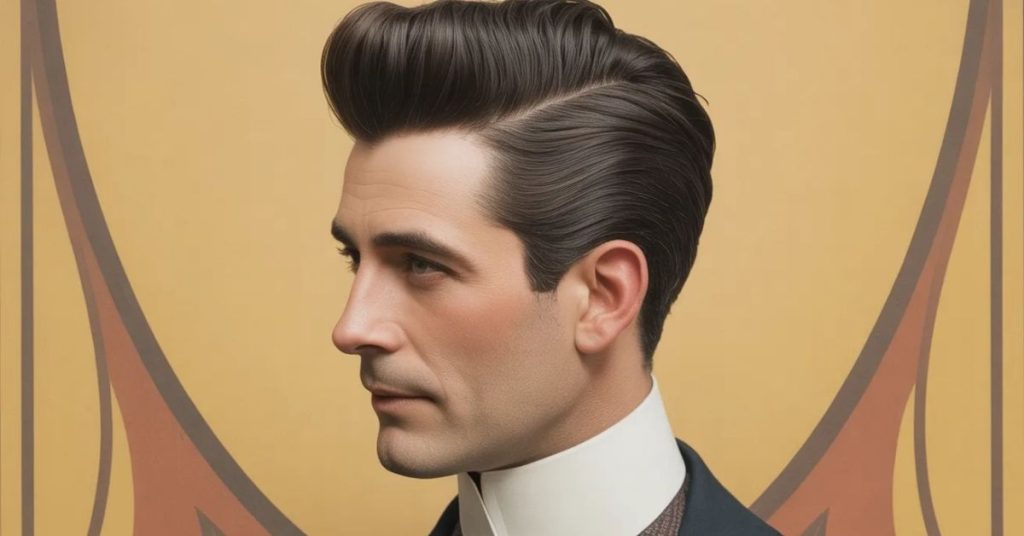
Step-by-Step Styling Method
Men styled hair daily using simple tools and discipline. To recreate the look:
- Apply a pea-sized amount of pomade to damp hair
- Distribute evenly with a boar-bristle brush
- Establish a clean side part
- Brush backward, not upward
- Let hair settle naturally
Avoid modern volumizing sprays. Authentic styles rely on control, not height.
1910 Men’s Haircut for Thin Hair
Thin hair benefits greatly from Edwardian techniques. The preserved crown weight and minimal taper prevent scalp show-through, making hair appear fuller over time.
Difference Between 1910 and 1920 Hair Styles
The transition from 1910 to 1920 marked a dramatic shift.
| Feature | 1910s | 1920s |
| Tools | Scissors only | Early clippers |
| Volume | Natural | Reduced |
| Shine | Heavy | Moderate |
| Shape | Rounded | Sharper |
Understanding this distinction prevents historical inaccuracies in modern recreations.
Traditional Barbershop Tools of the Edwardian Era
Barbers relied on craftsmanship, not machines. Essential tools included:
- Straight razors
- Carbon steel shears
- Fine-tooth combs
- Leather strops
- Glass tonic bottles
These tools demanded skill, reinforcing why Edwardian barbering remains respected today.
Conclusion
The legacy of 1910s men’s hairstyles lies in precision, restraint, and respect for natural hair growth. These cuts were not trends; they were systems built on discipline and craftsmanship. By understanding the techniques, products, and philosophy behind early 20th-century men’s grooming, modern men can achieve timeless style without excess.
Edwardian haircuts prove that elegance never goes out of fashion; it simply waits to be rediscovered.
FAQs
What was the most common 1910s men’s hairstyle?
The side-parted taper with preserved crown weight dominated the era.
Did men in the 1910s use pomade daily?
Yes, light daily application ensured control and shine.
Were undercuts common before WW1?
Yes, but they were subtle and scissor-cut, not shaved.
How often did men visit barbers in 1910?
Most visited once every three to four weeks.
Can modern products recreate Edwardian styles?
Yes, when using low-volume, oil-based pomades.

Mughal Hamza is an experienced SEO expert specializing in keyword research, on-page optimization, and content strategy. Passionate about driving organic traffic and improving search rankings for businesses.